Cart 0

Tracing the Rivers


by Aaban Aslam

Tracing the Rivers is a piece of creative writing developed in response to North Devon’s landscapes, rivers, and cultural history. The story follows Kate as a summer project draws her into conversations about place, memory, and belonging, moving between towns, coastlines, and generations.

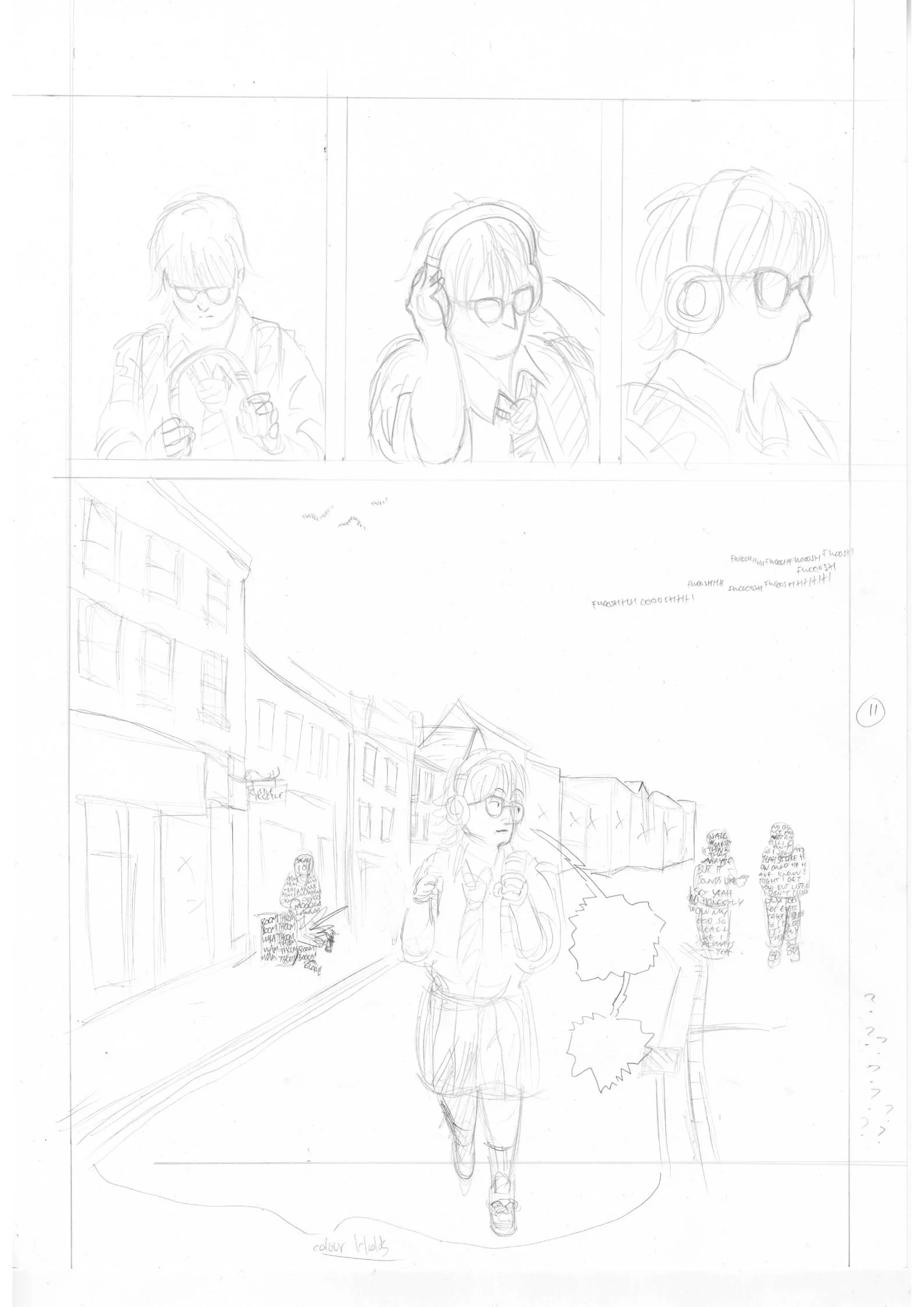
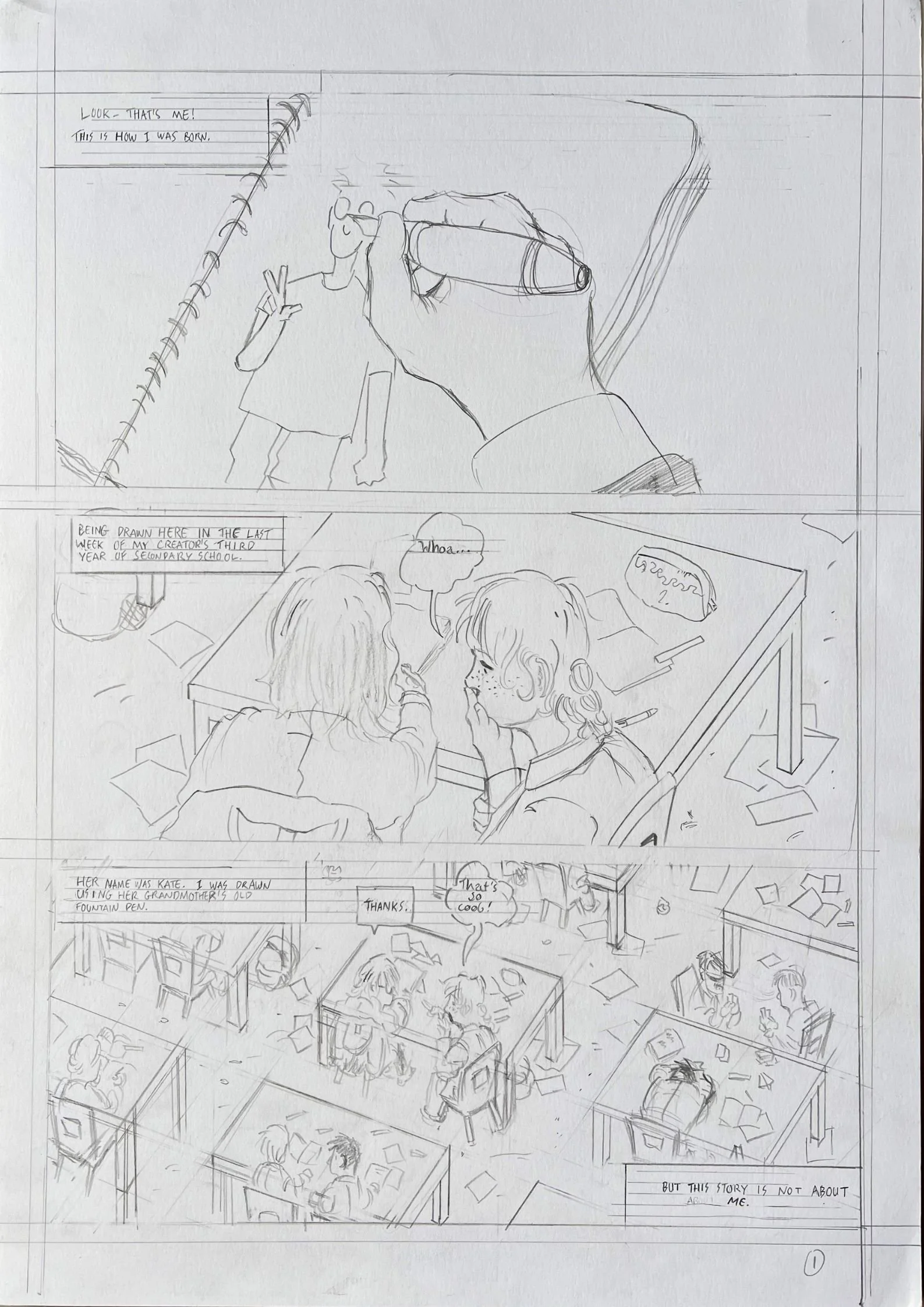
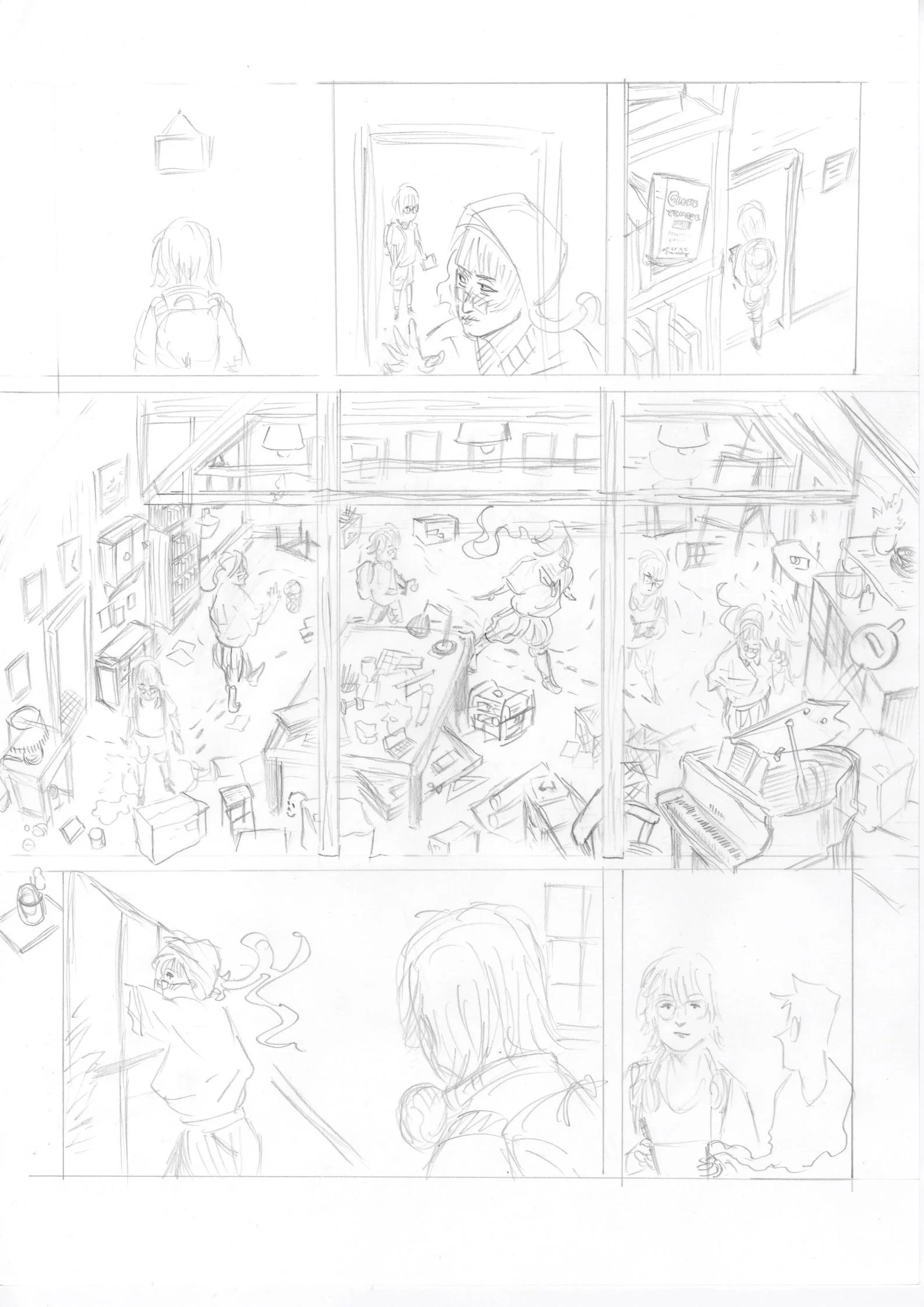
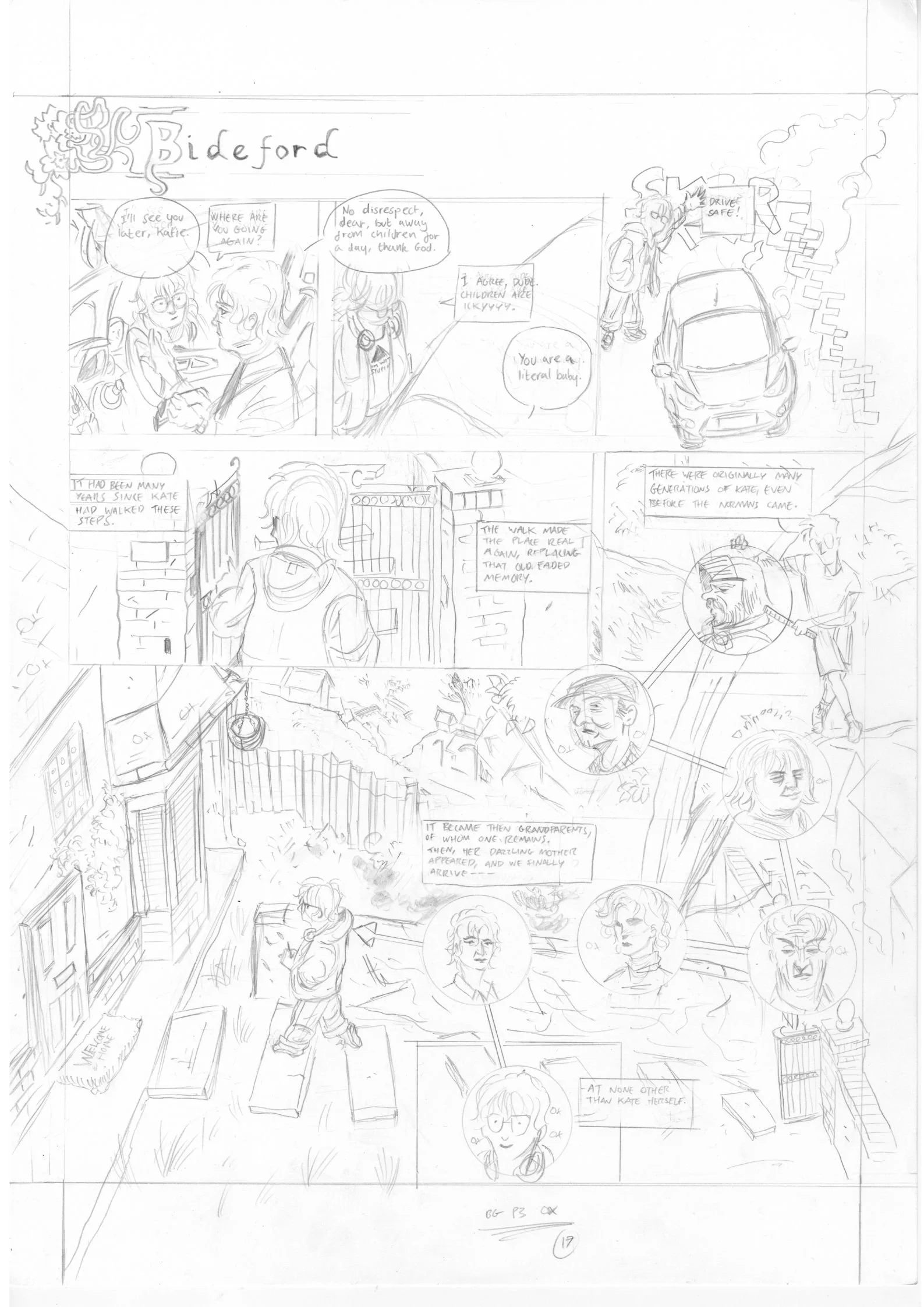
The work is intended for future development as a graphic novel. The text is shared here in a script like format, with image descriptions indicating how visual elements will unfold.

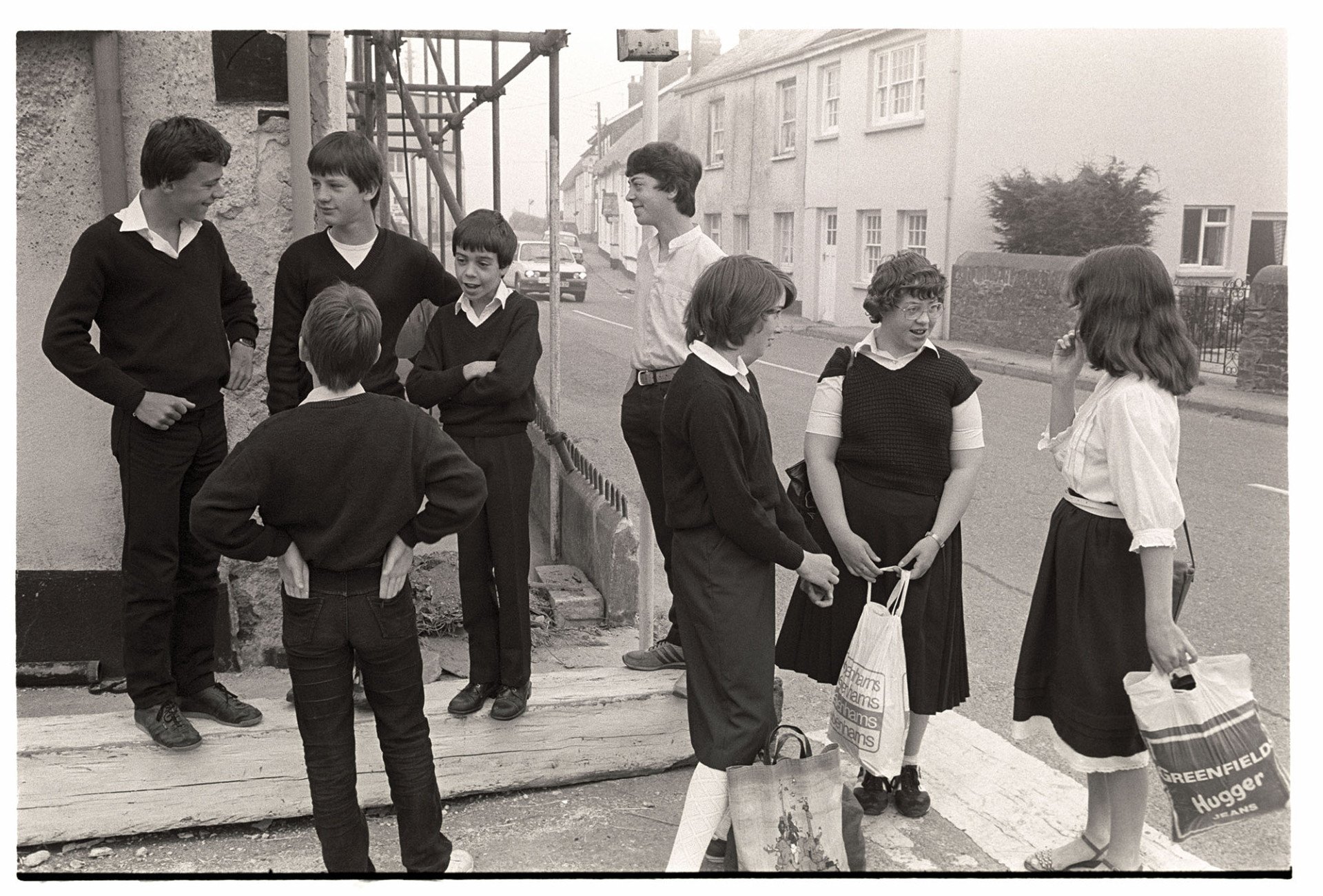
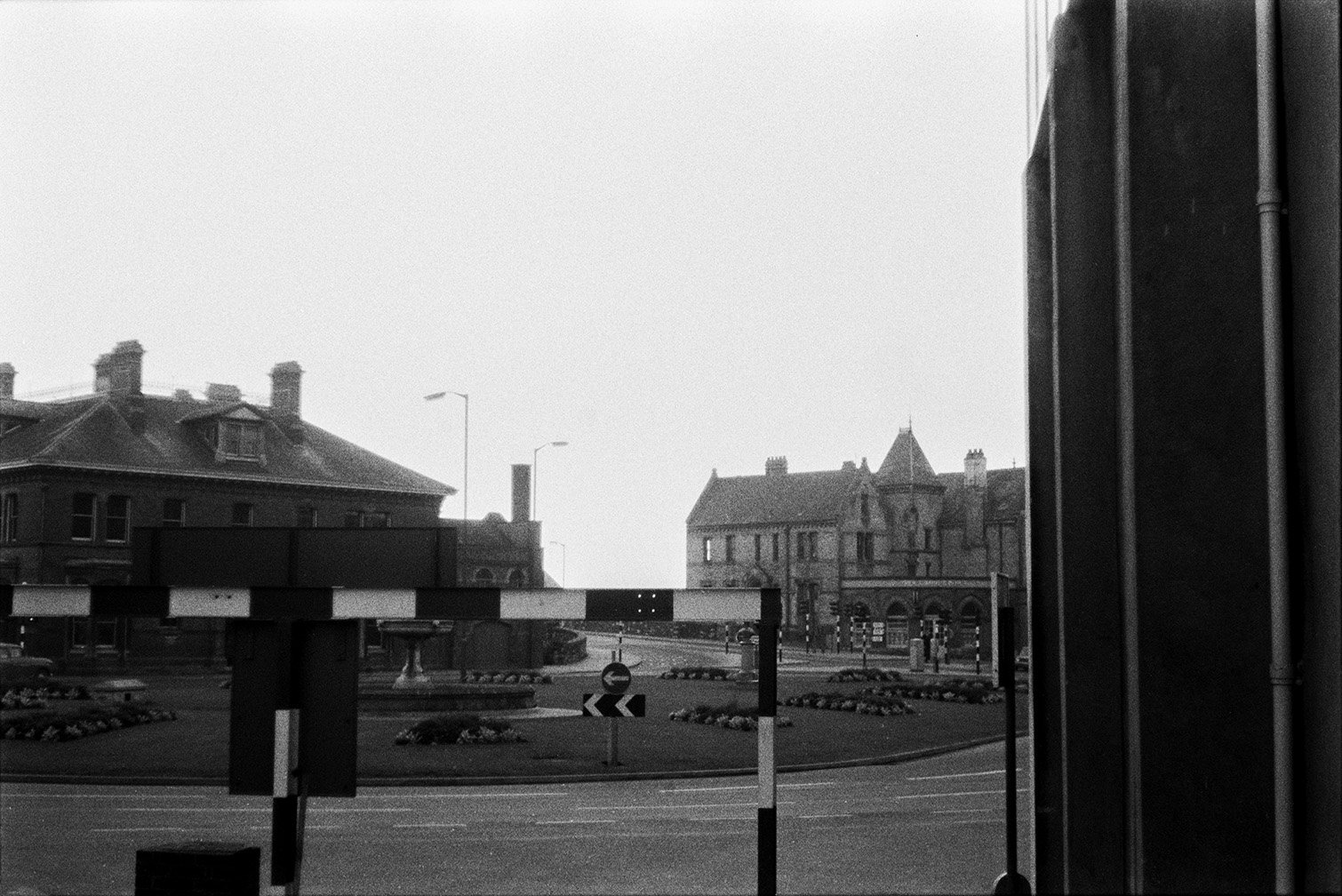
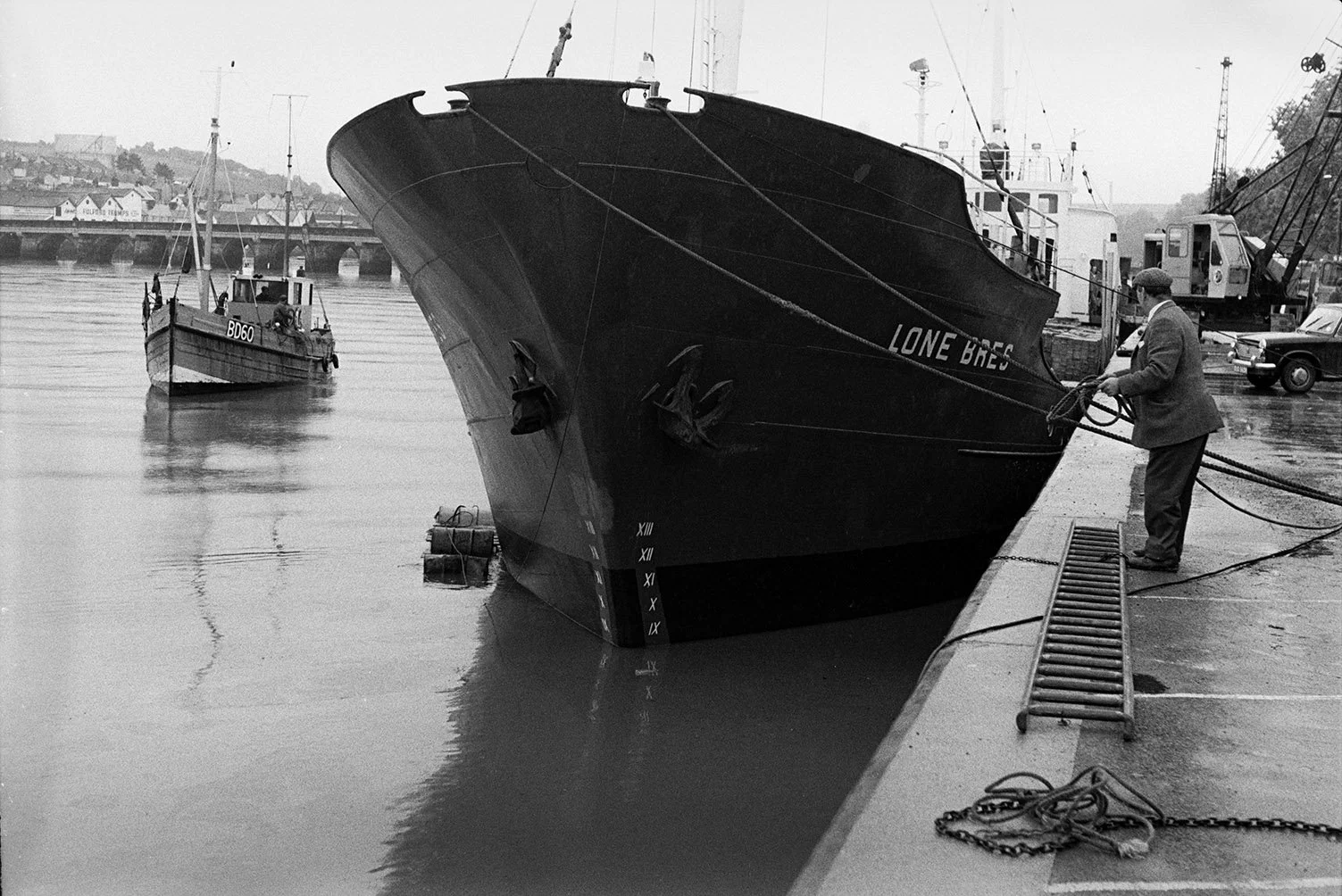
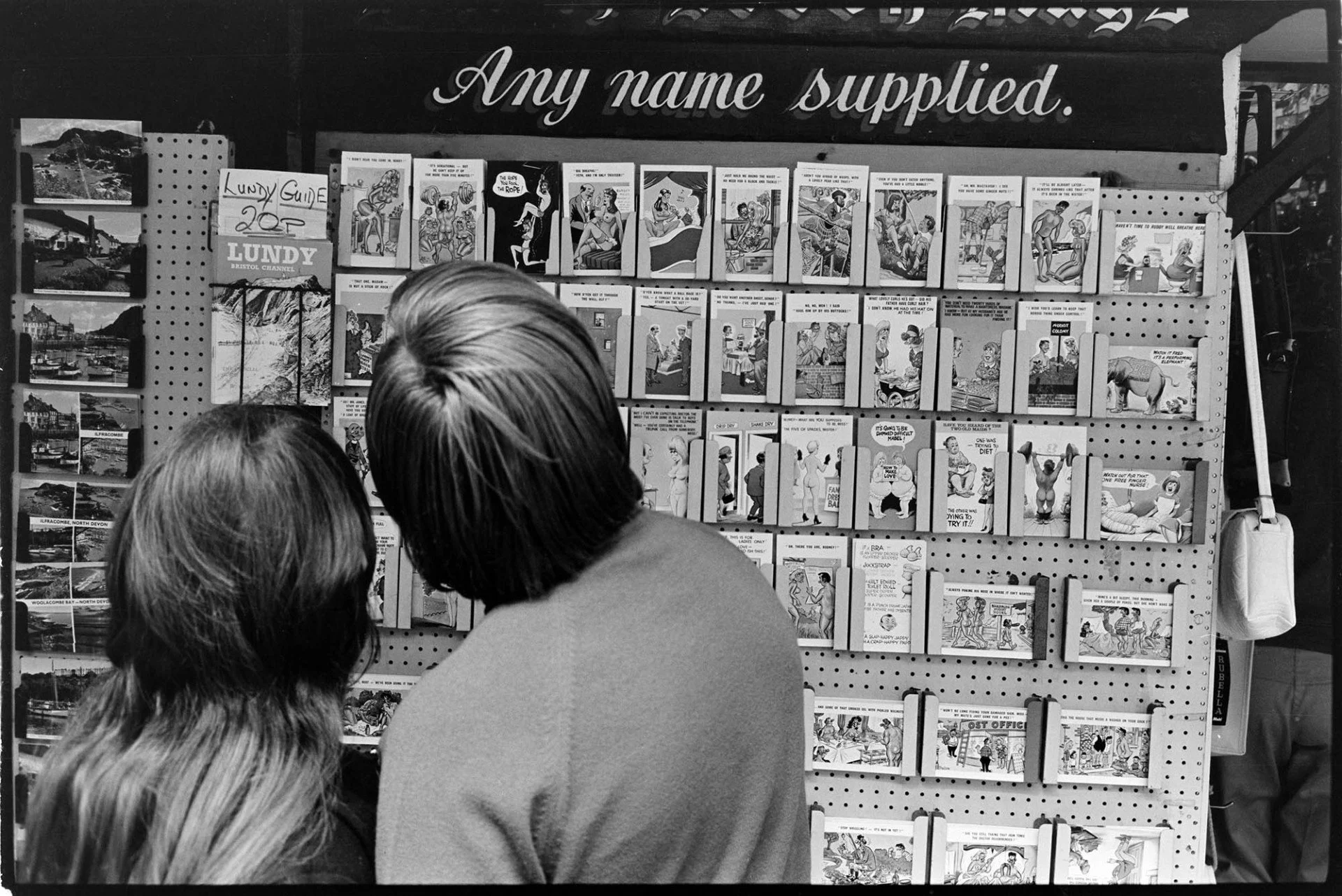
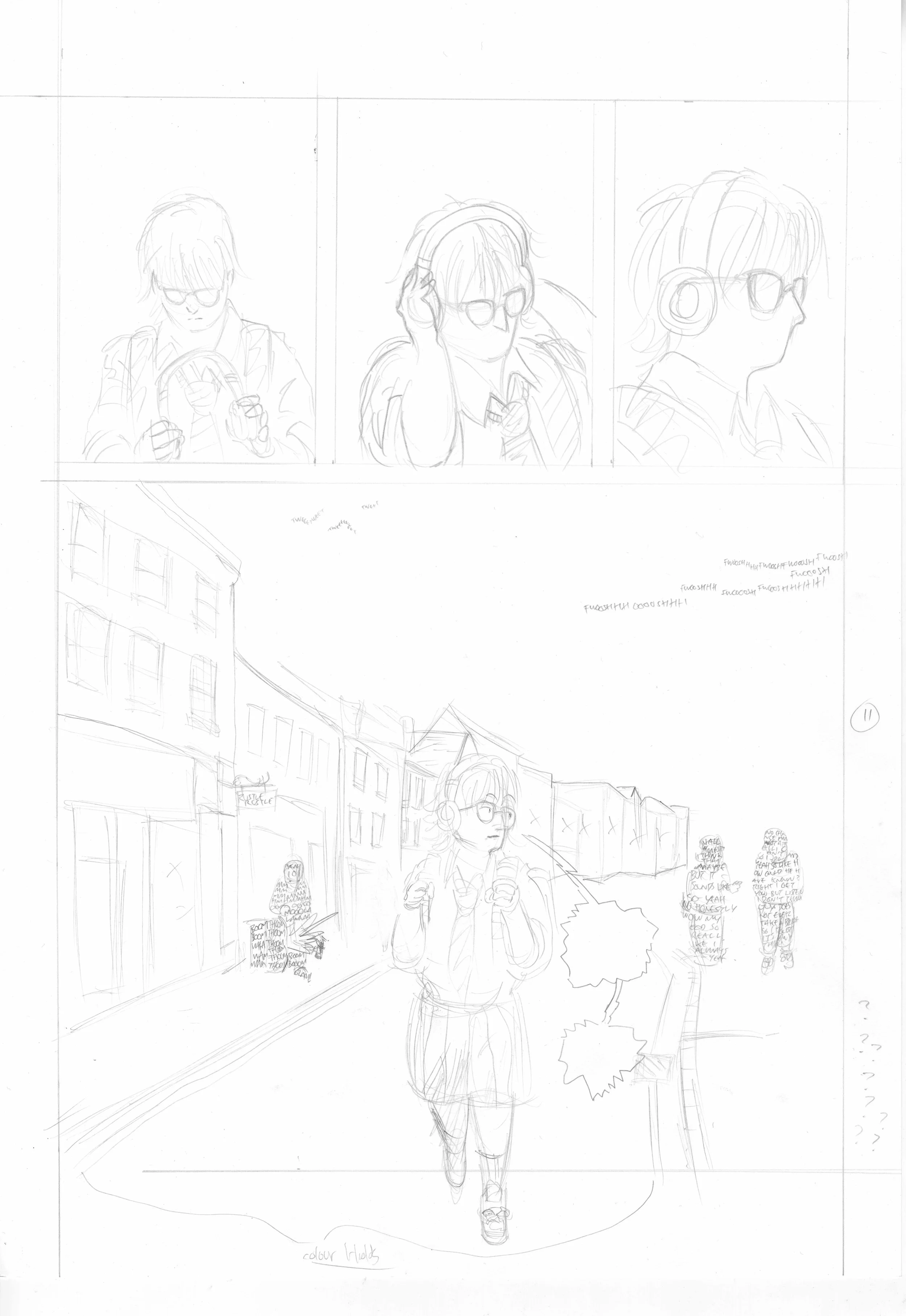
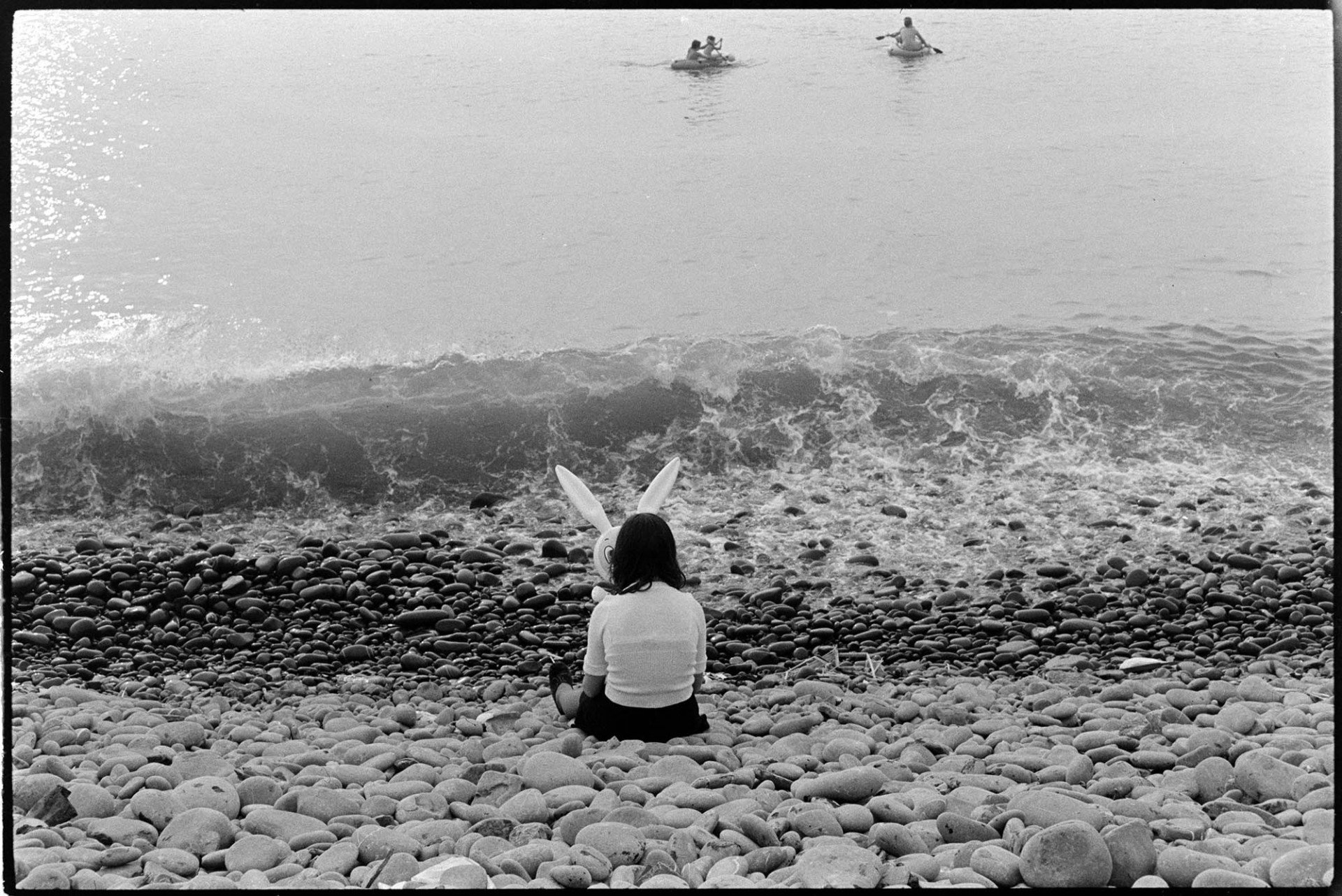
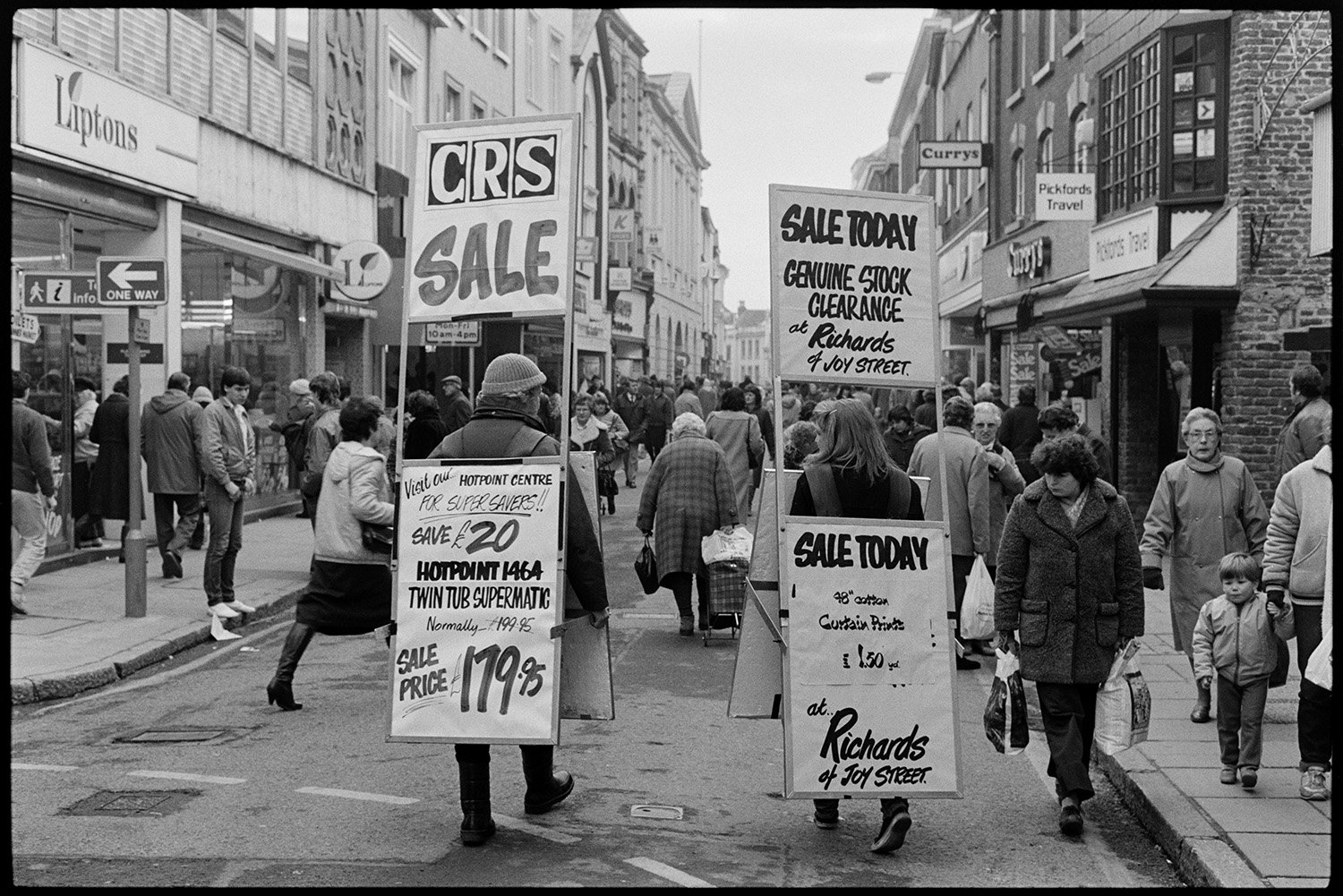
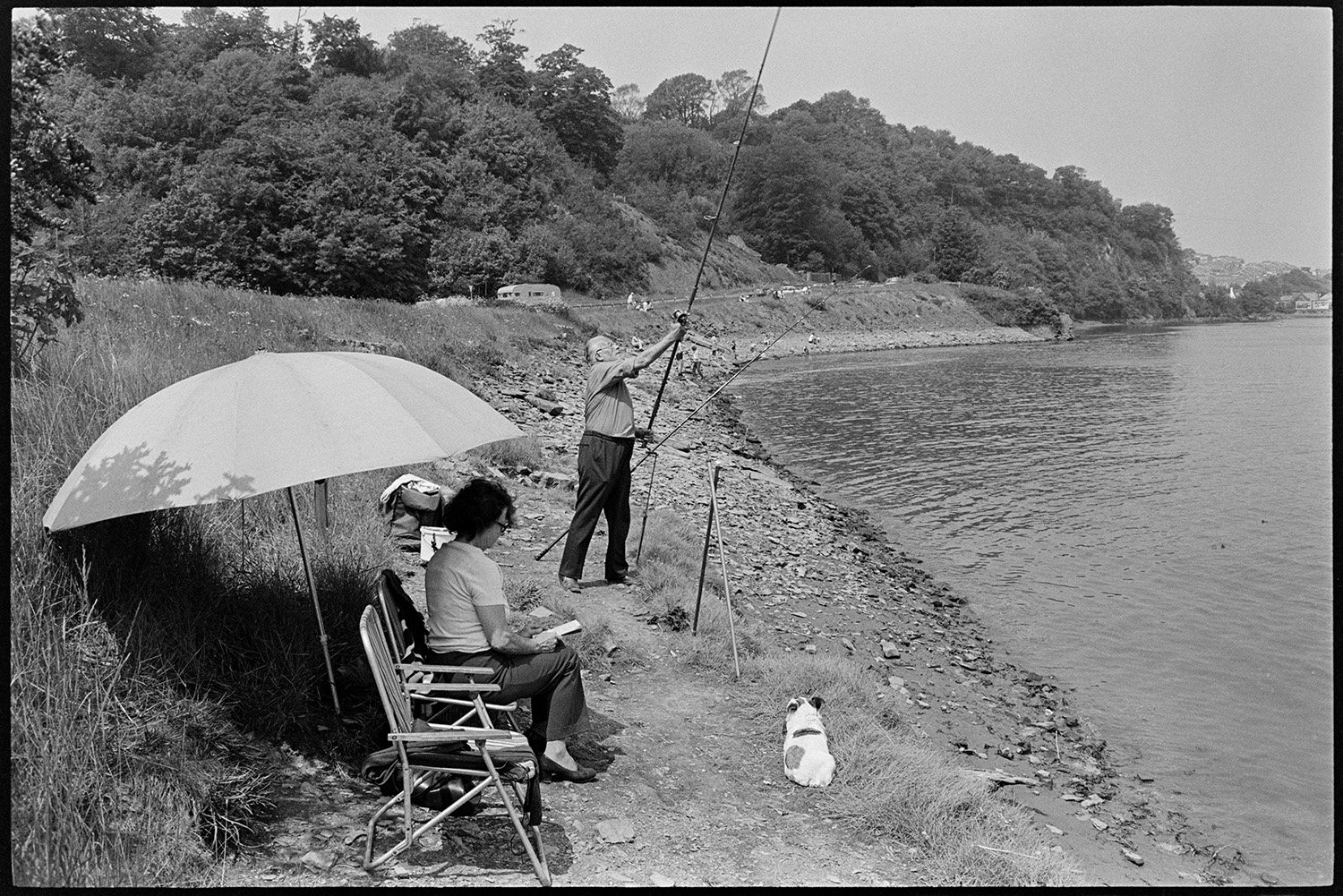
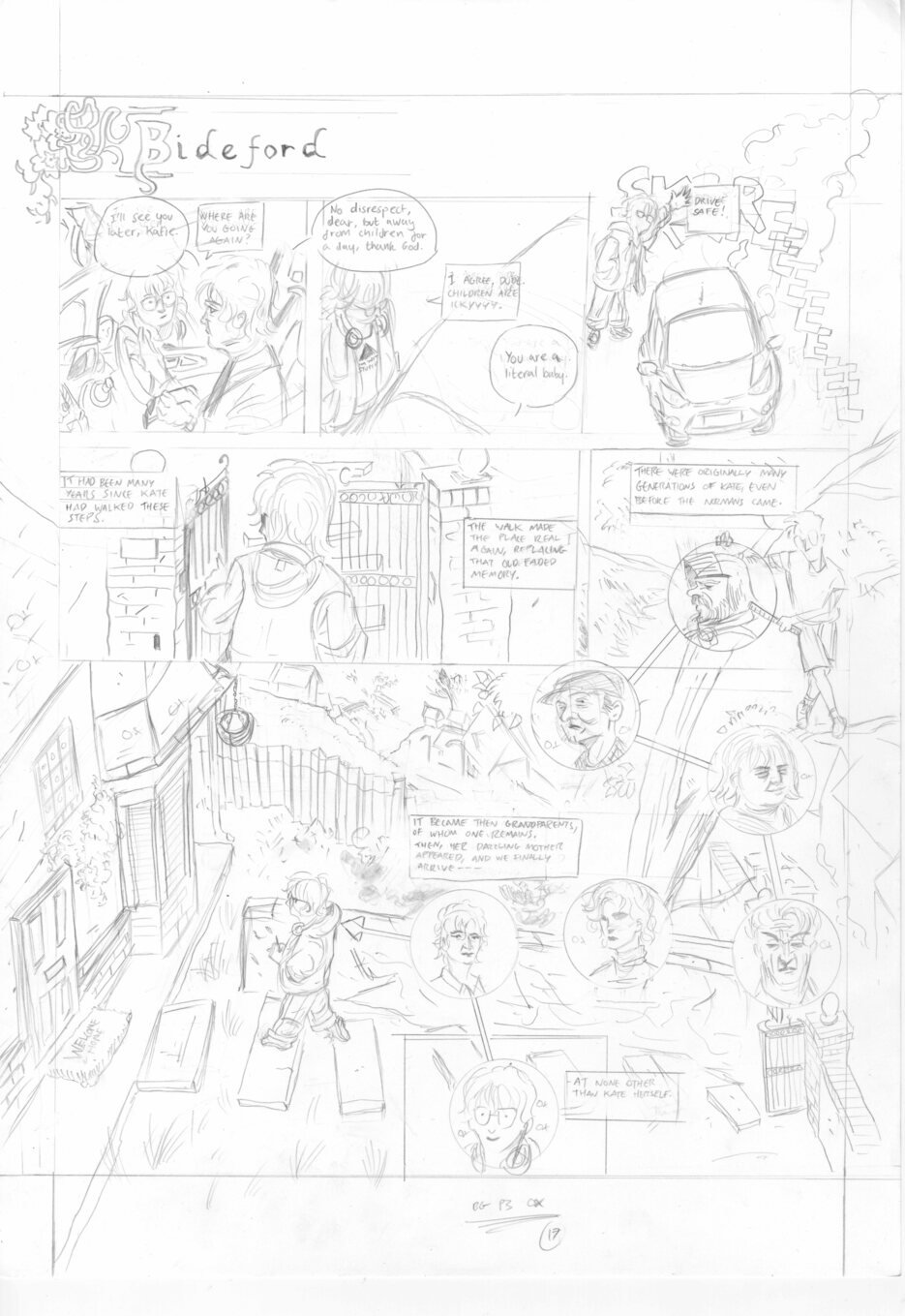
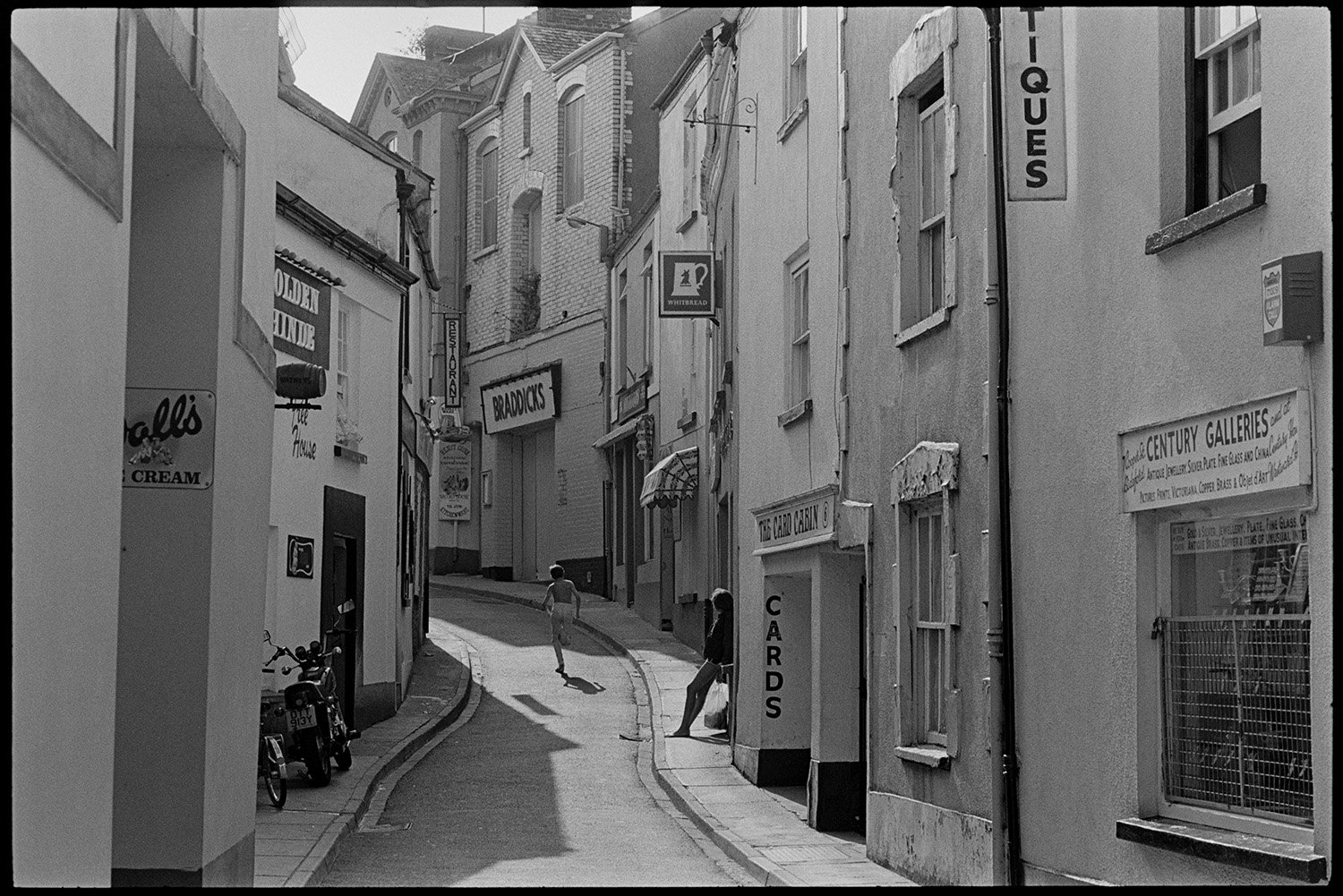
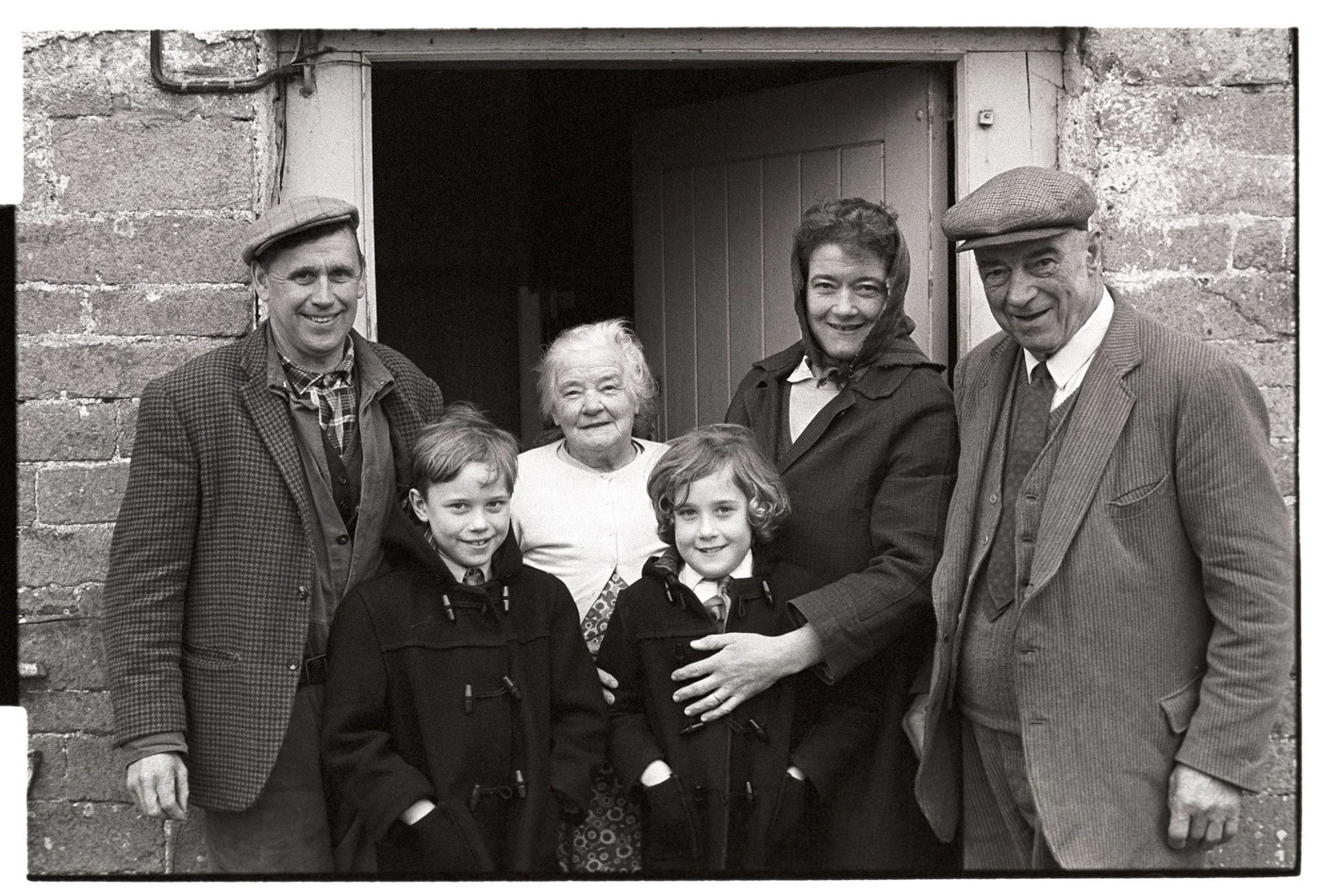
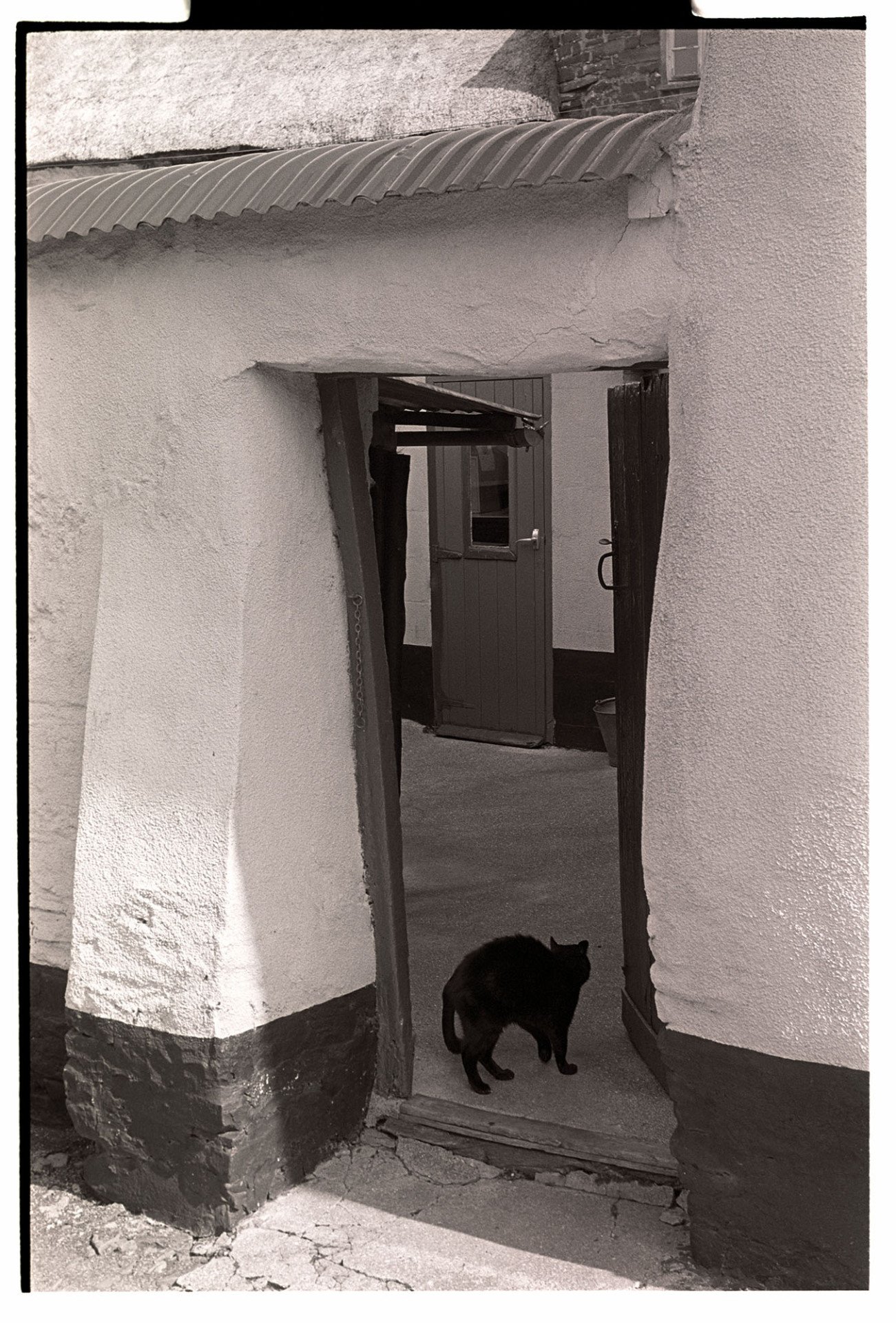
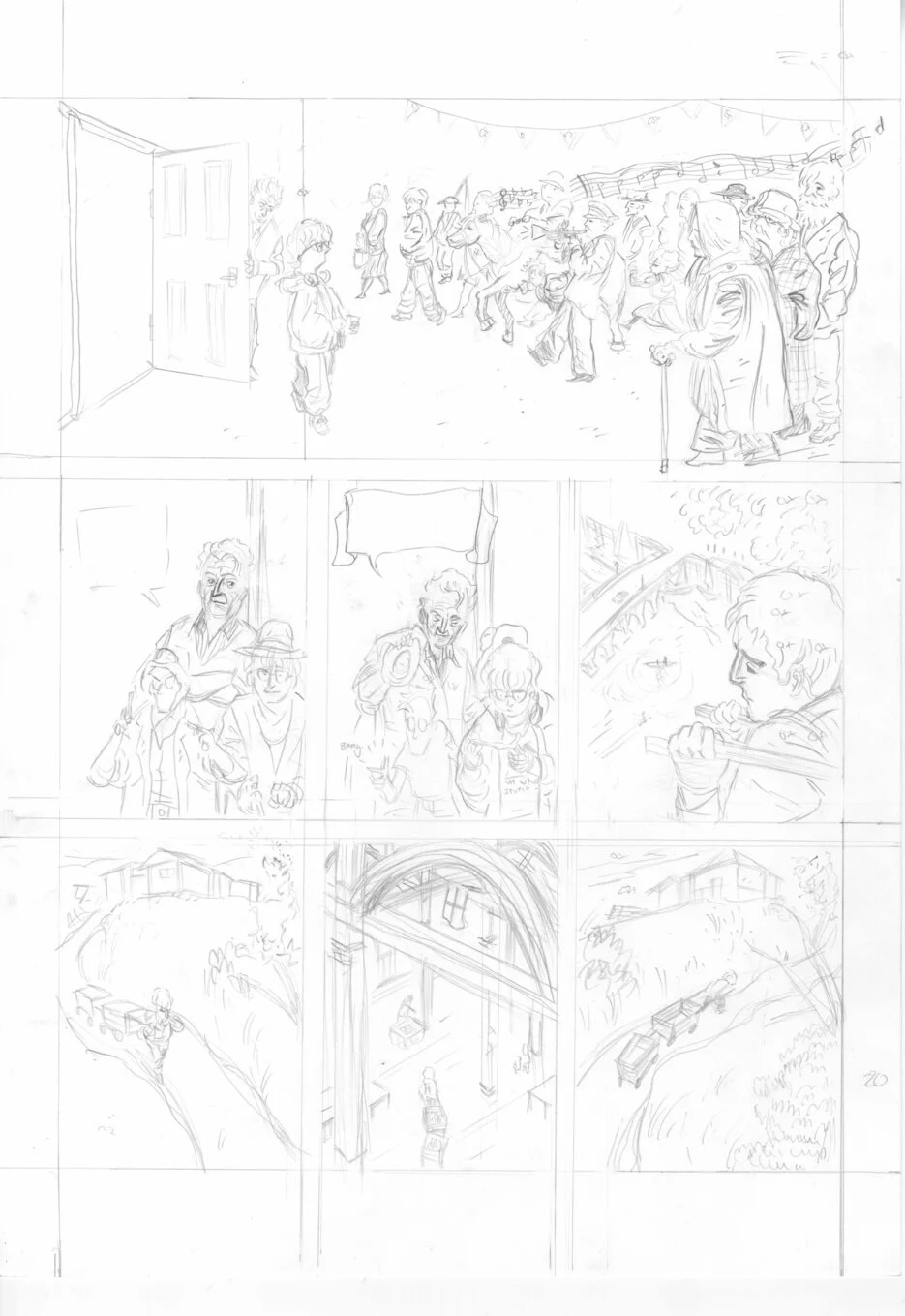
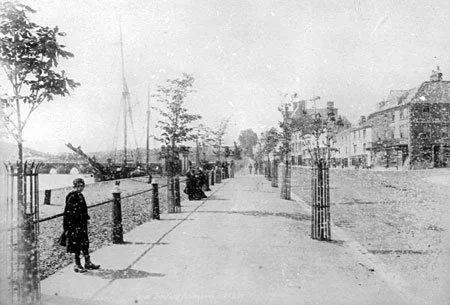
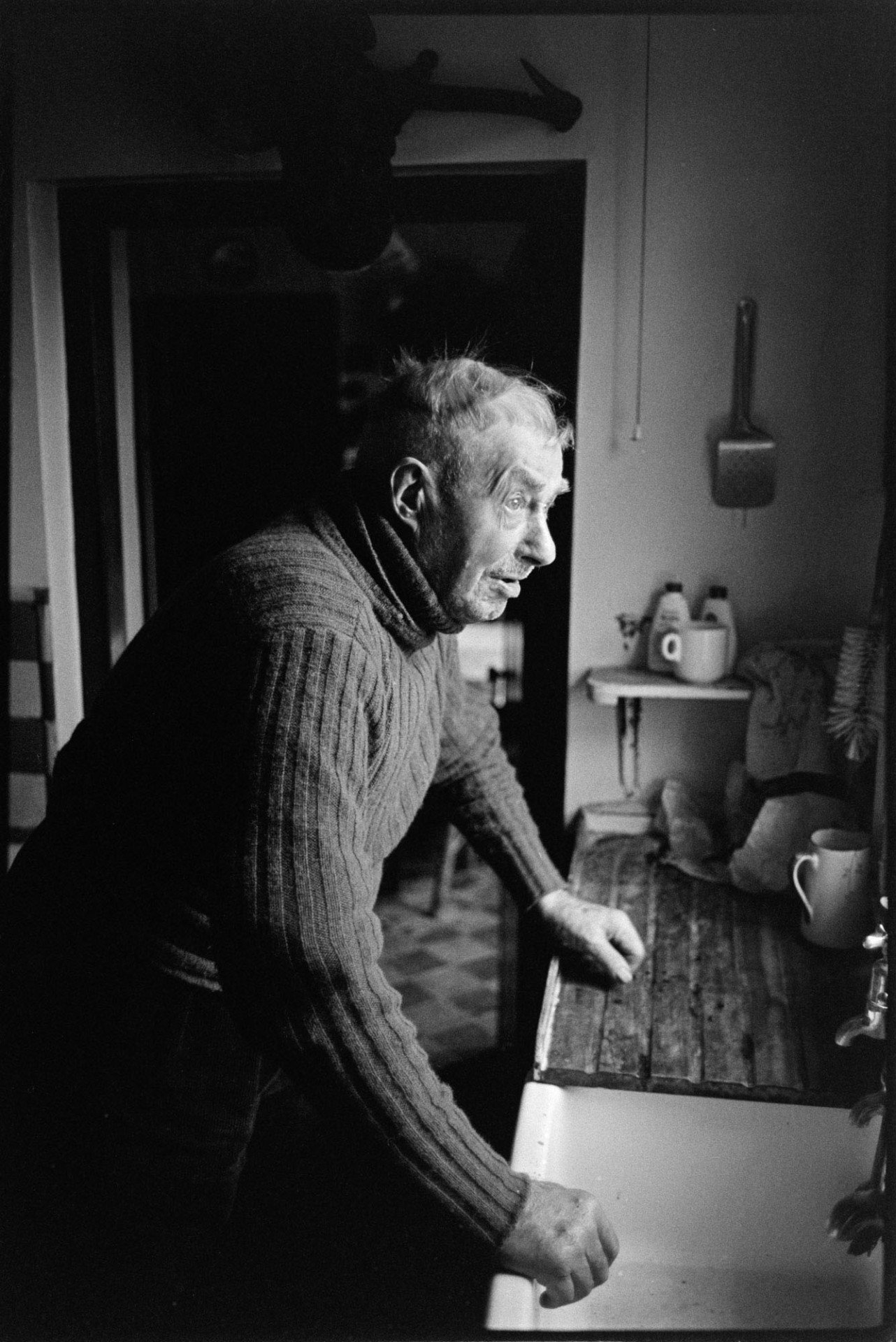
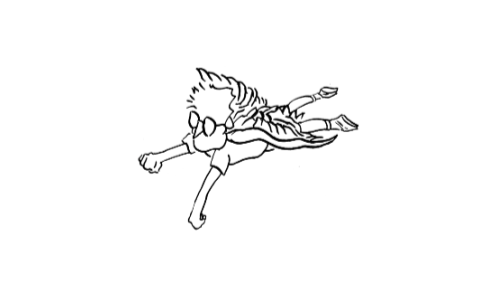
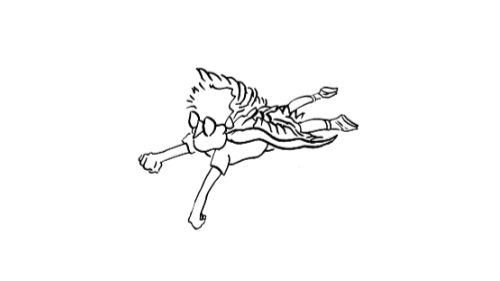
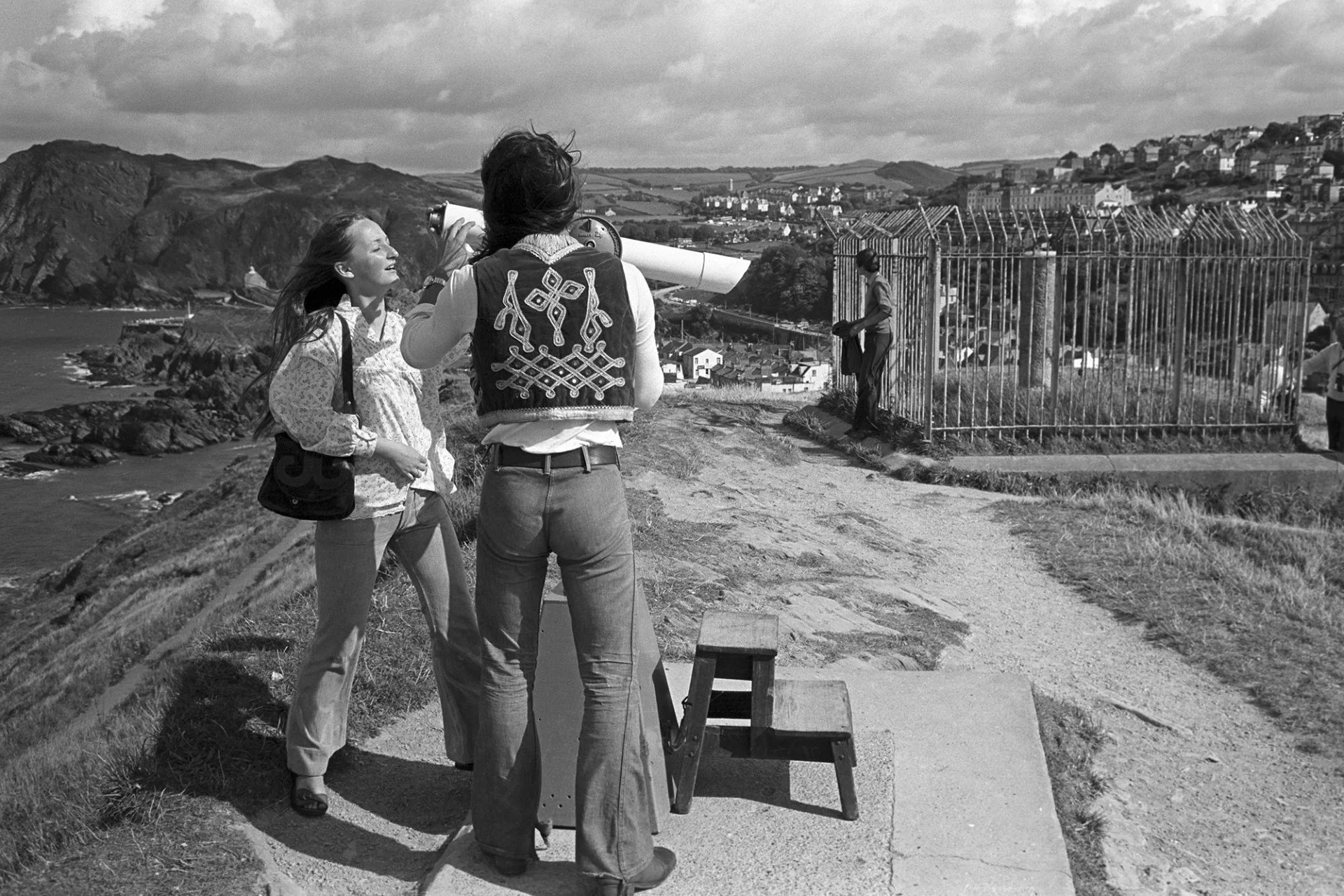
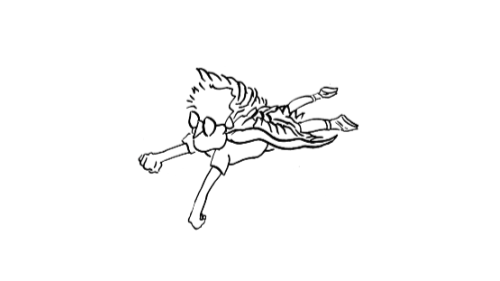
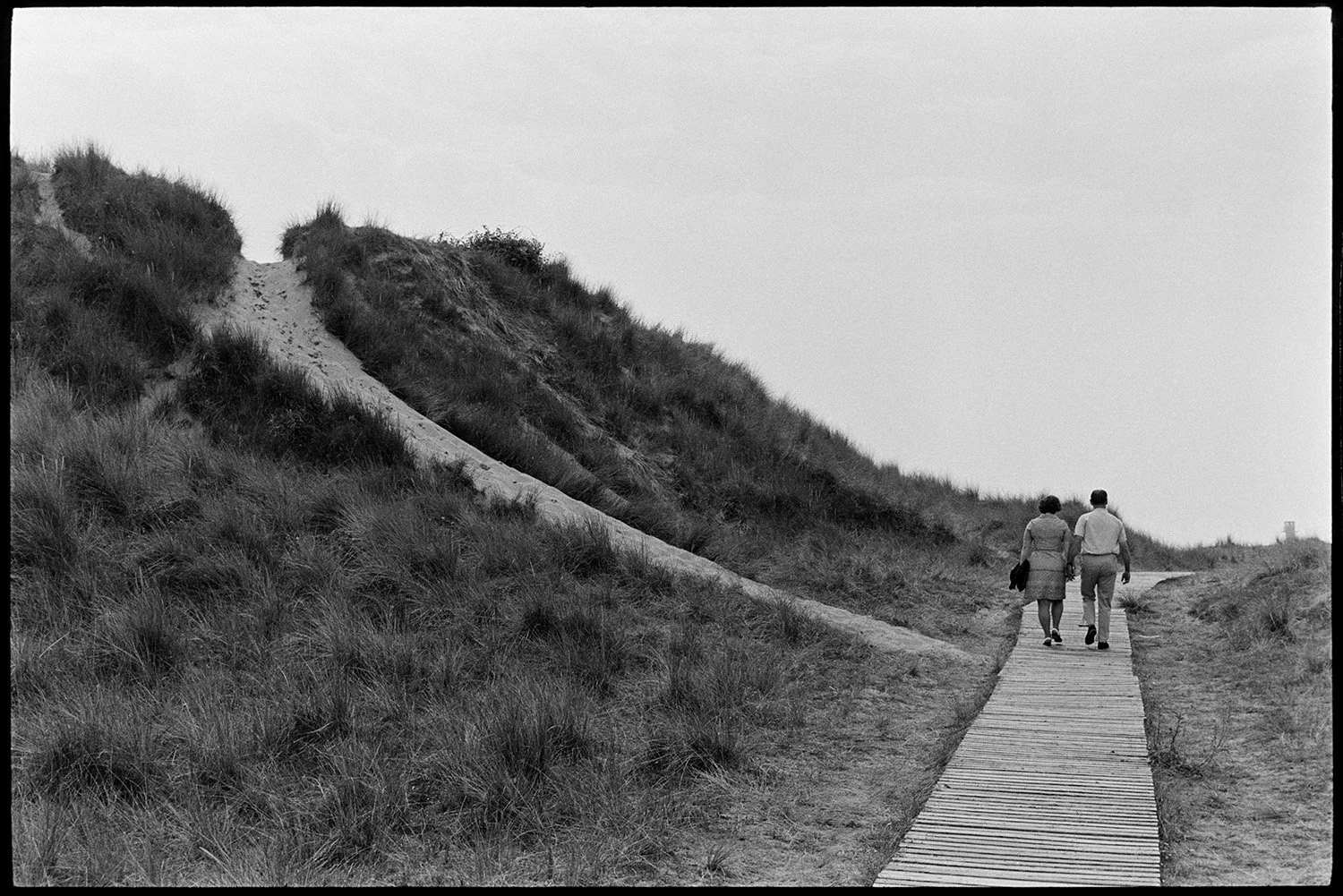
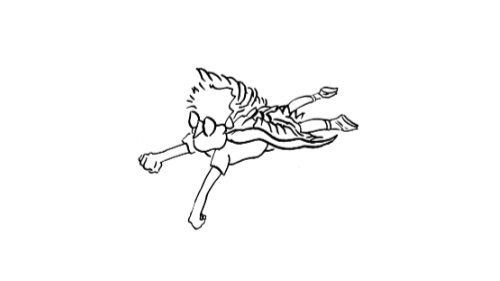
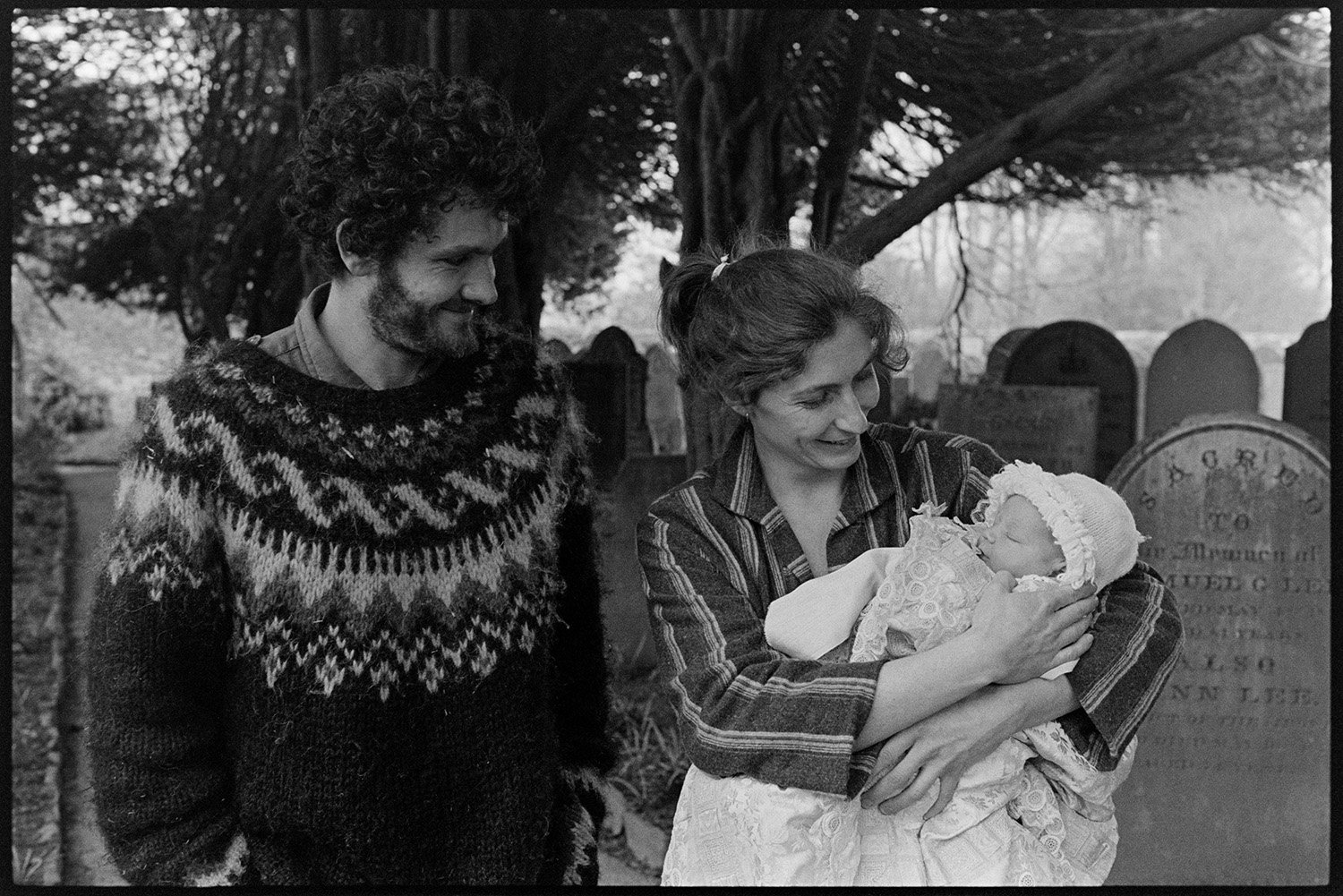
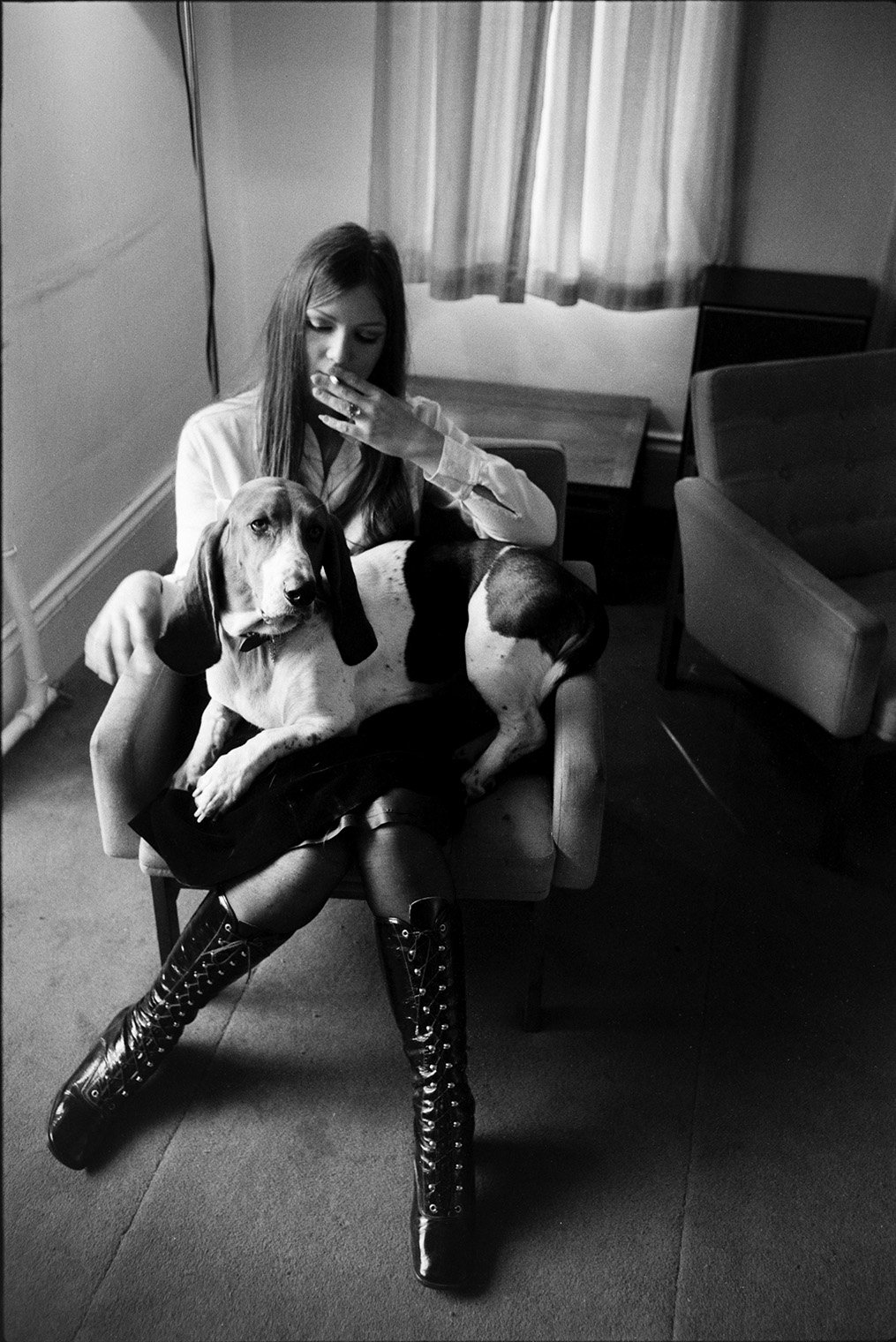
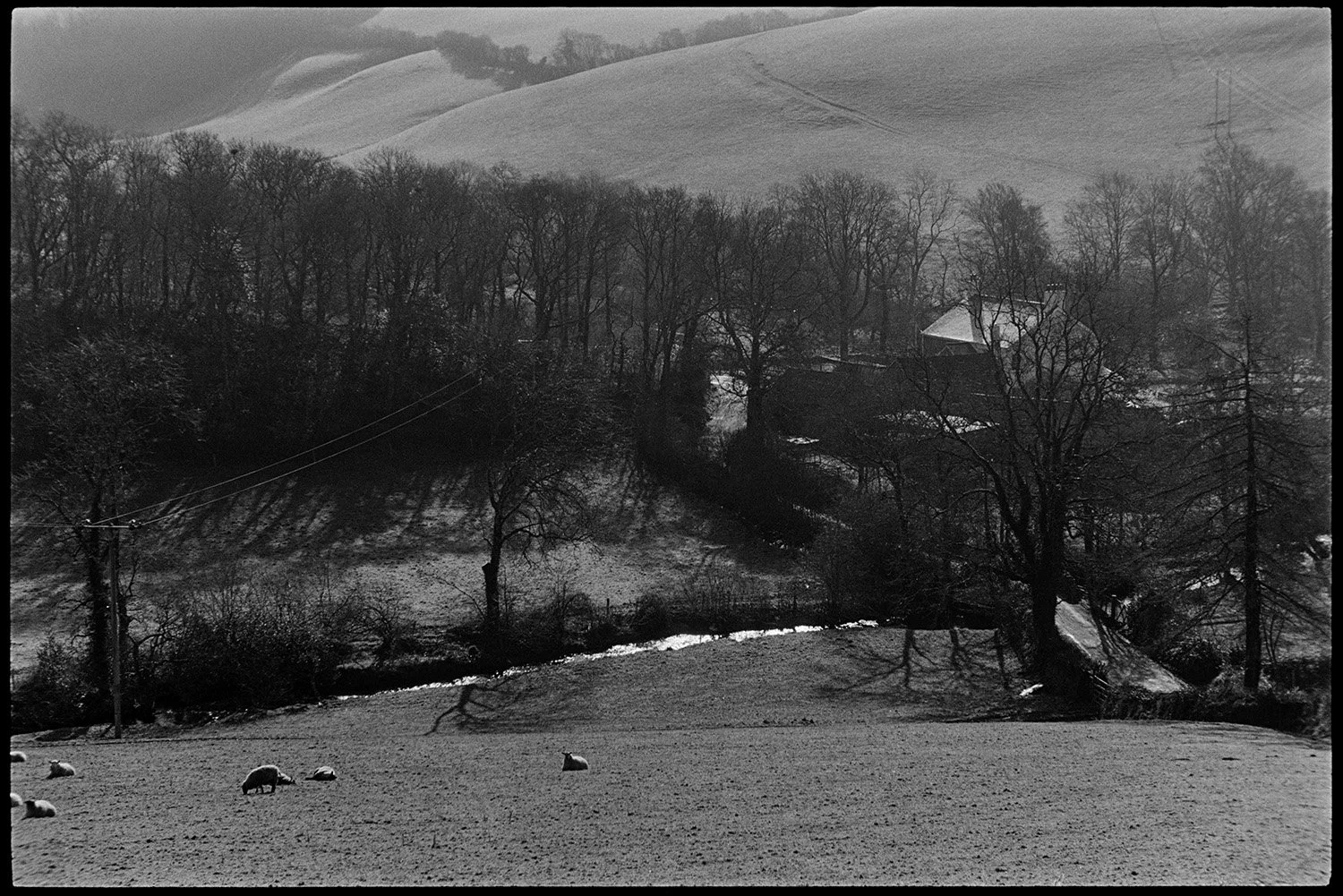
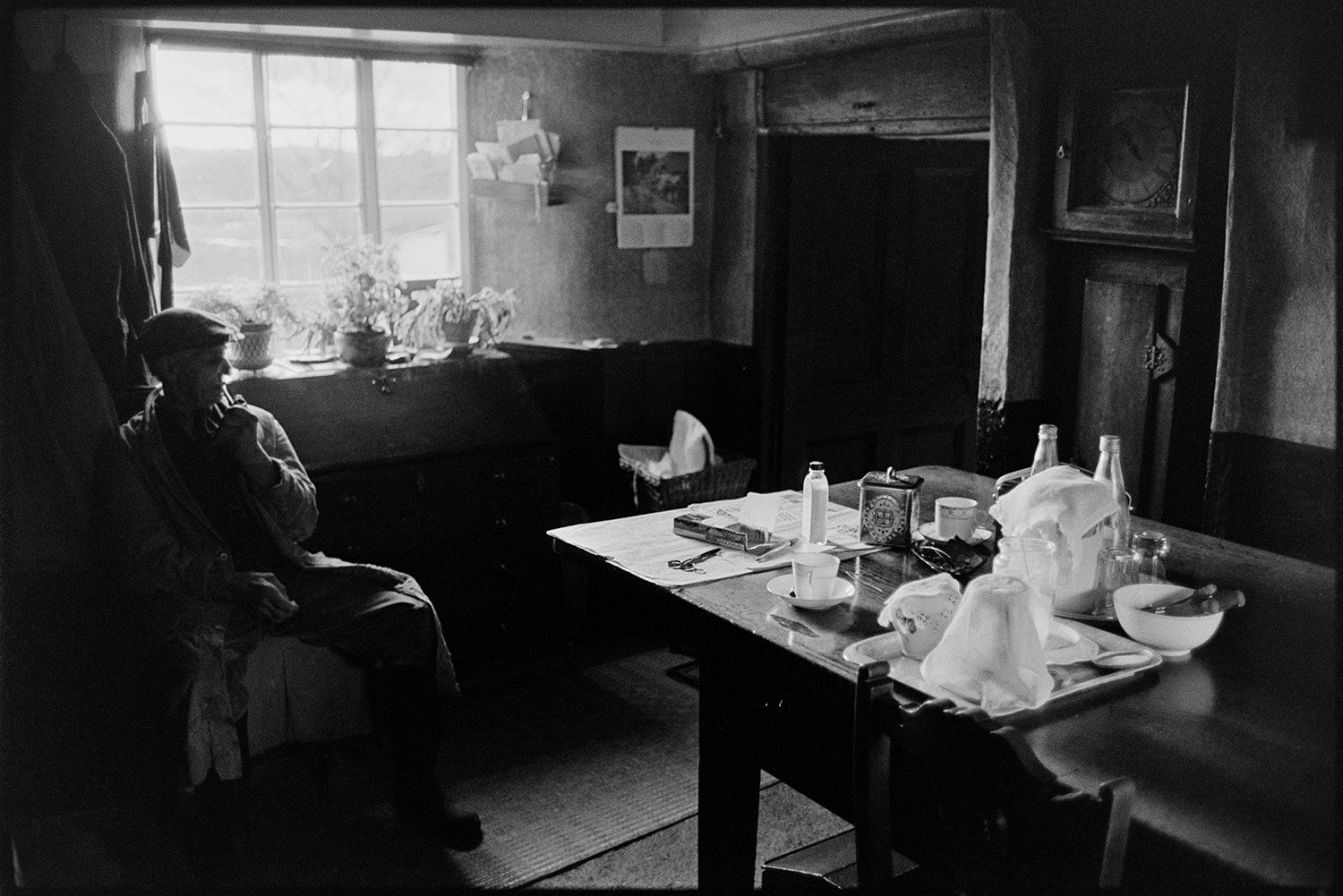
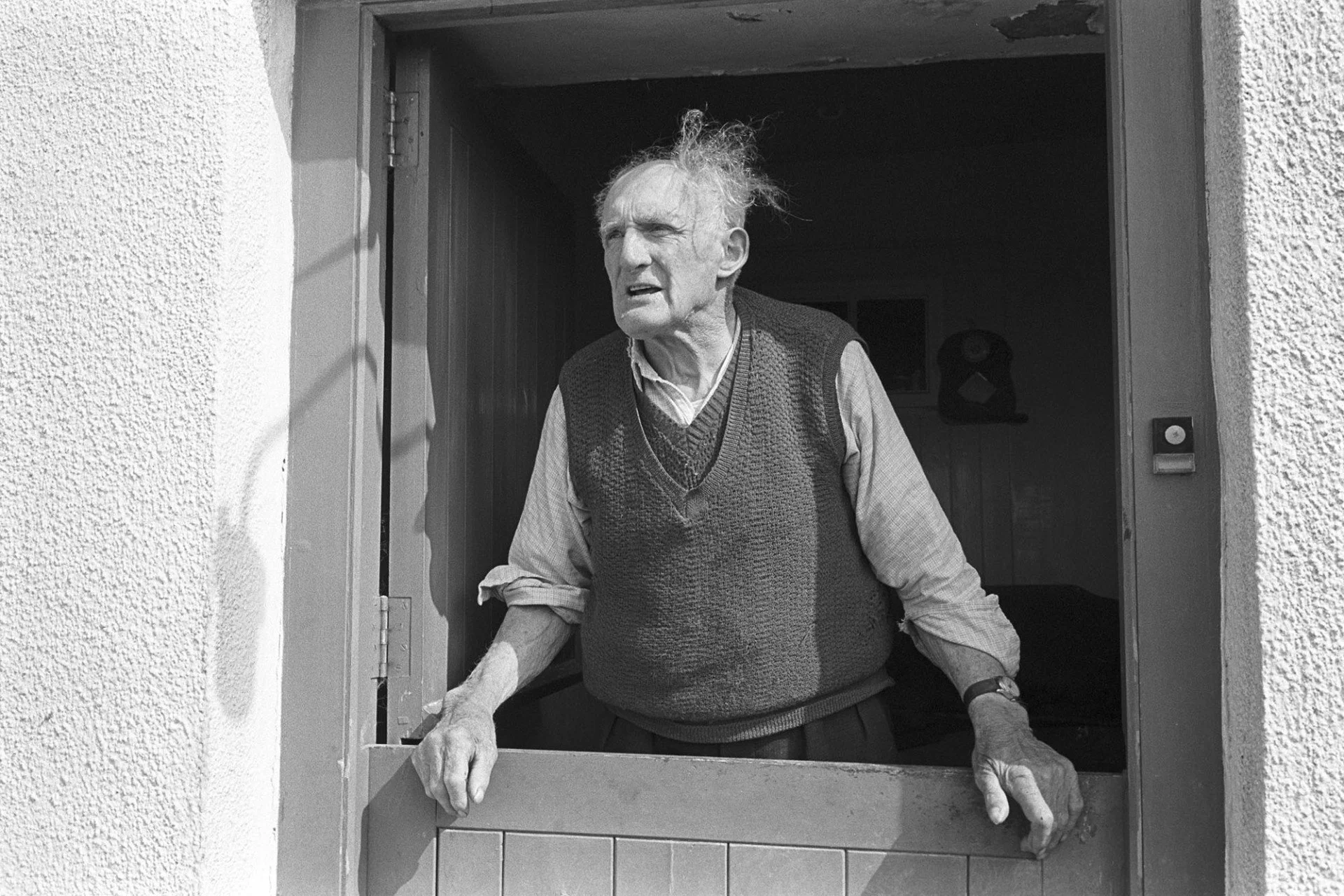
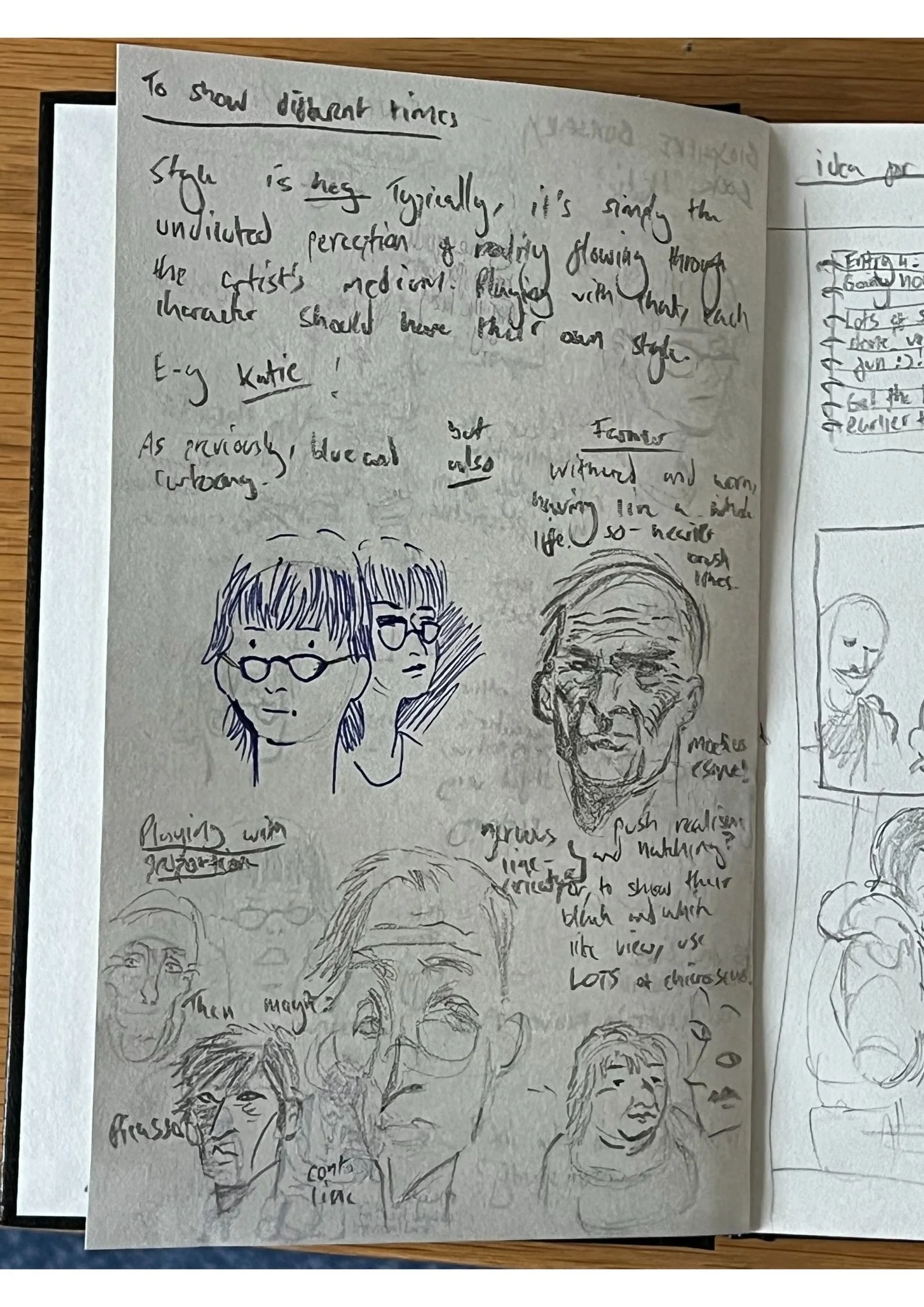
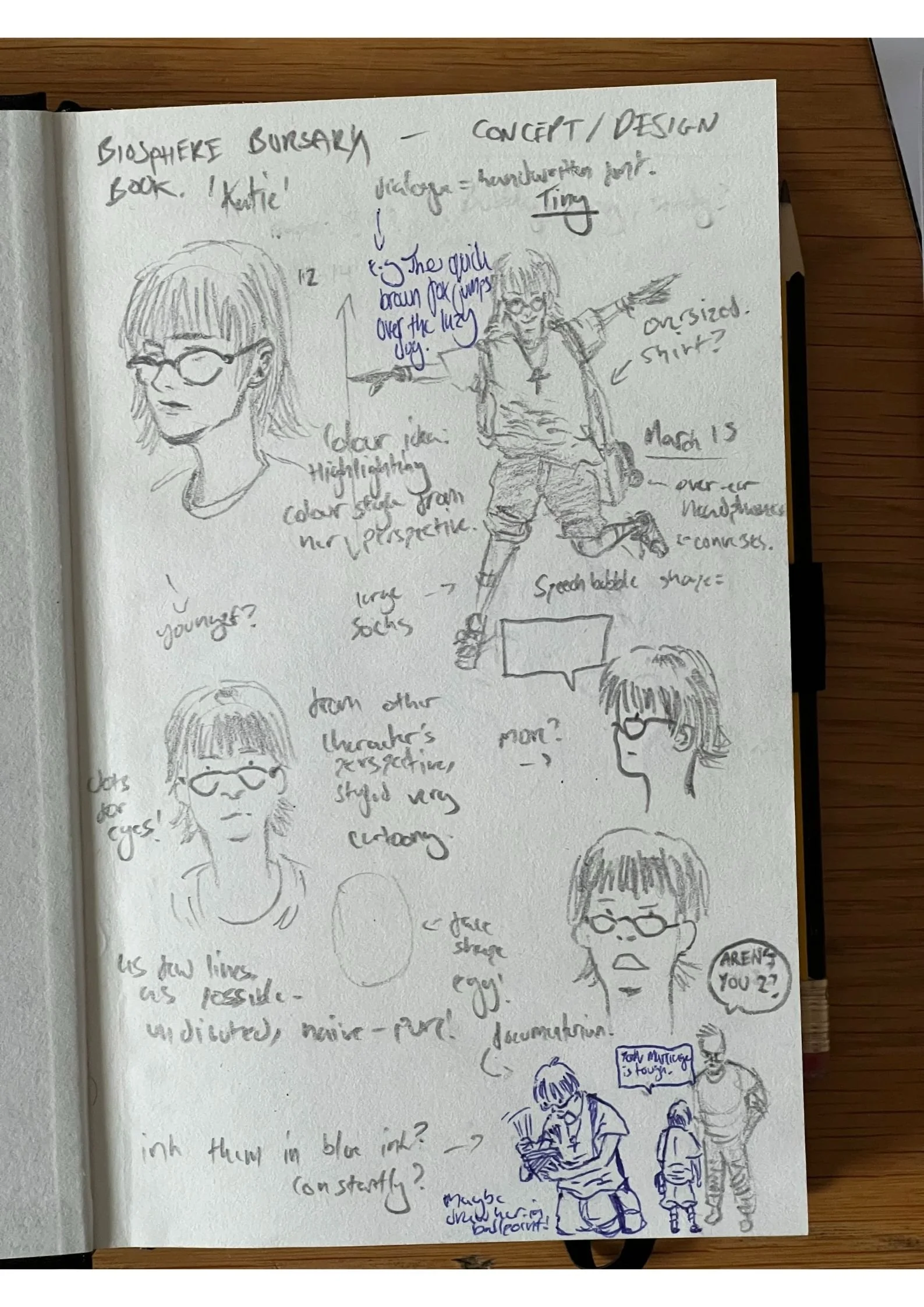
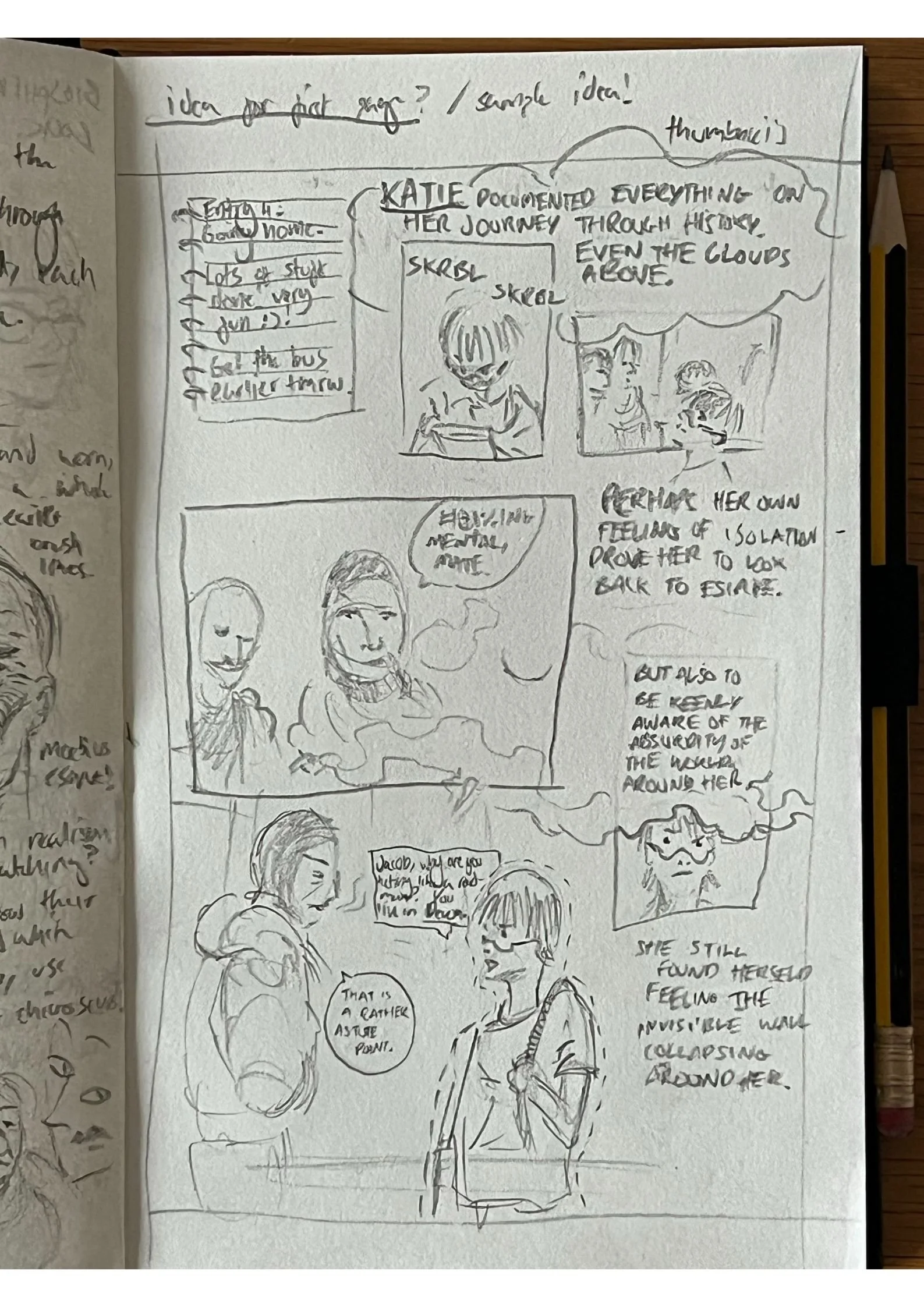
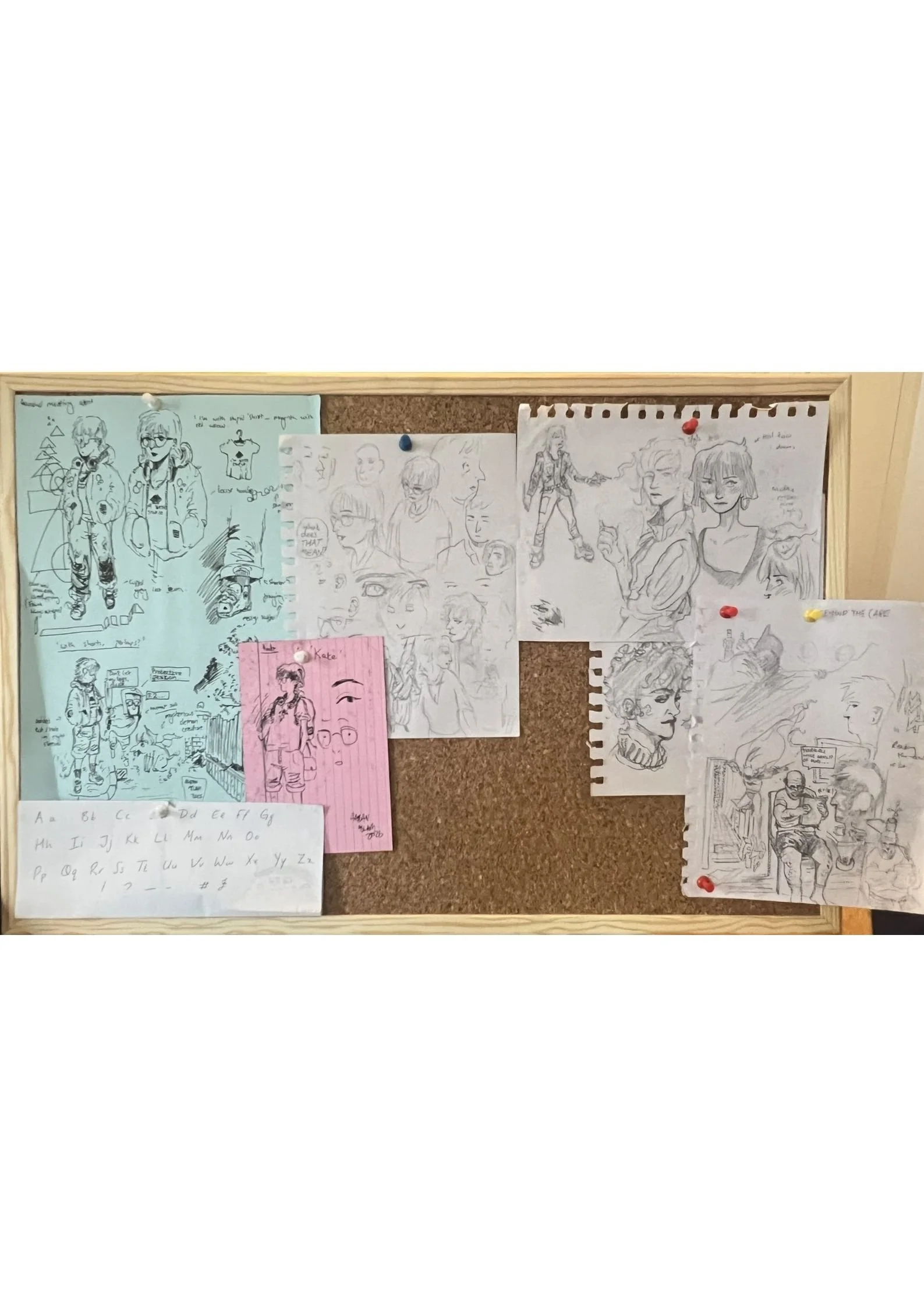
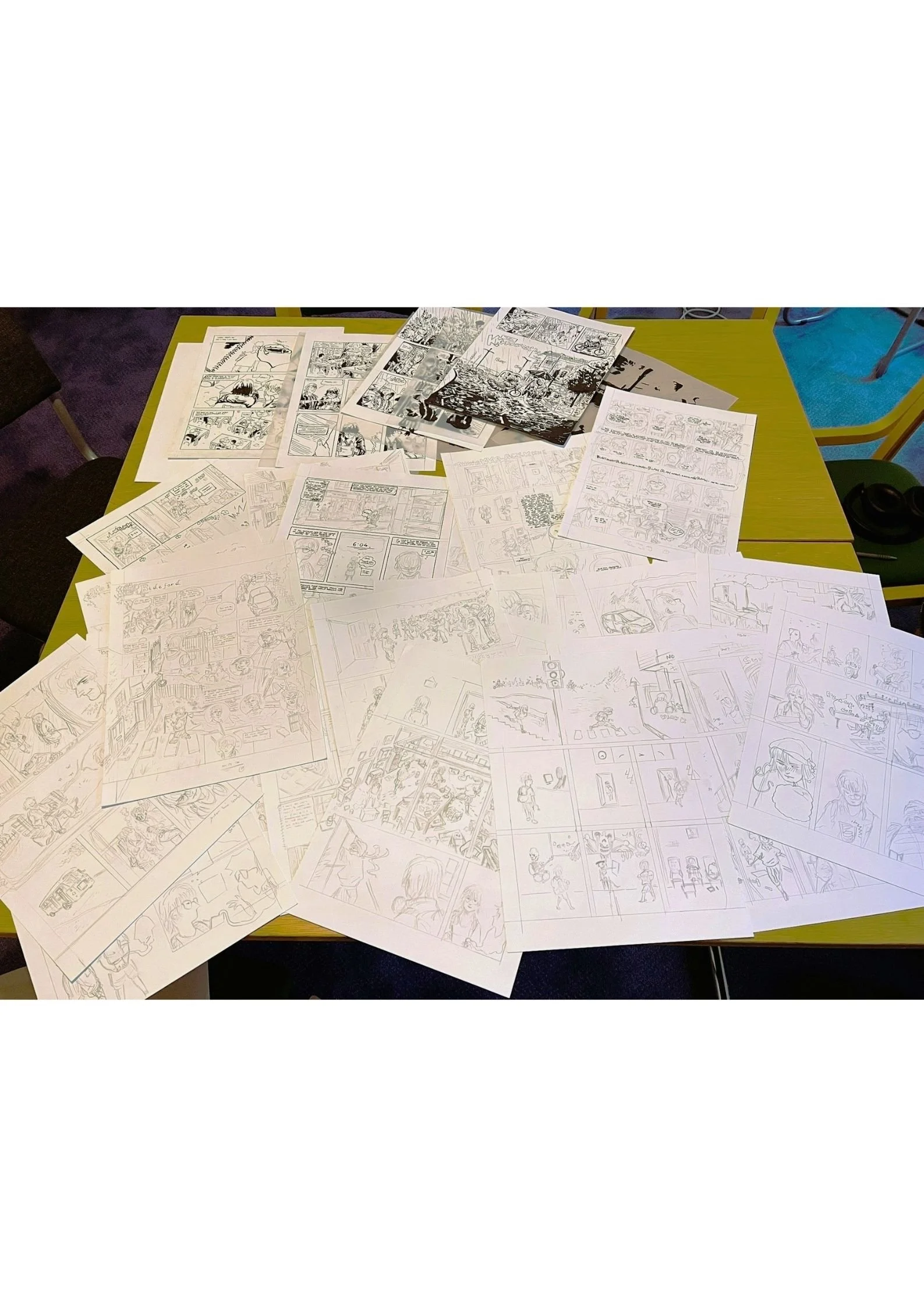
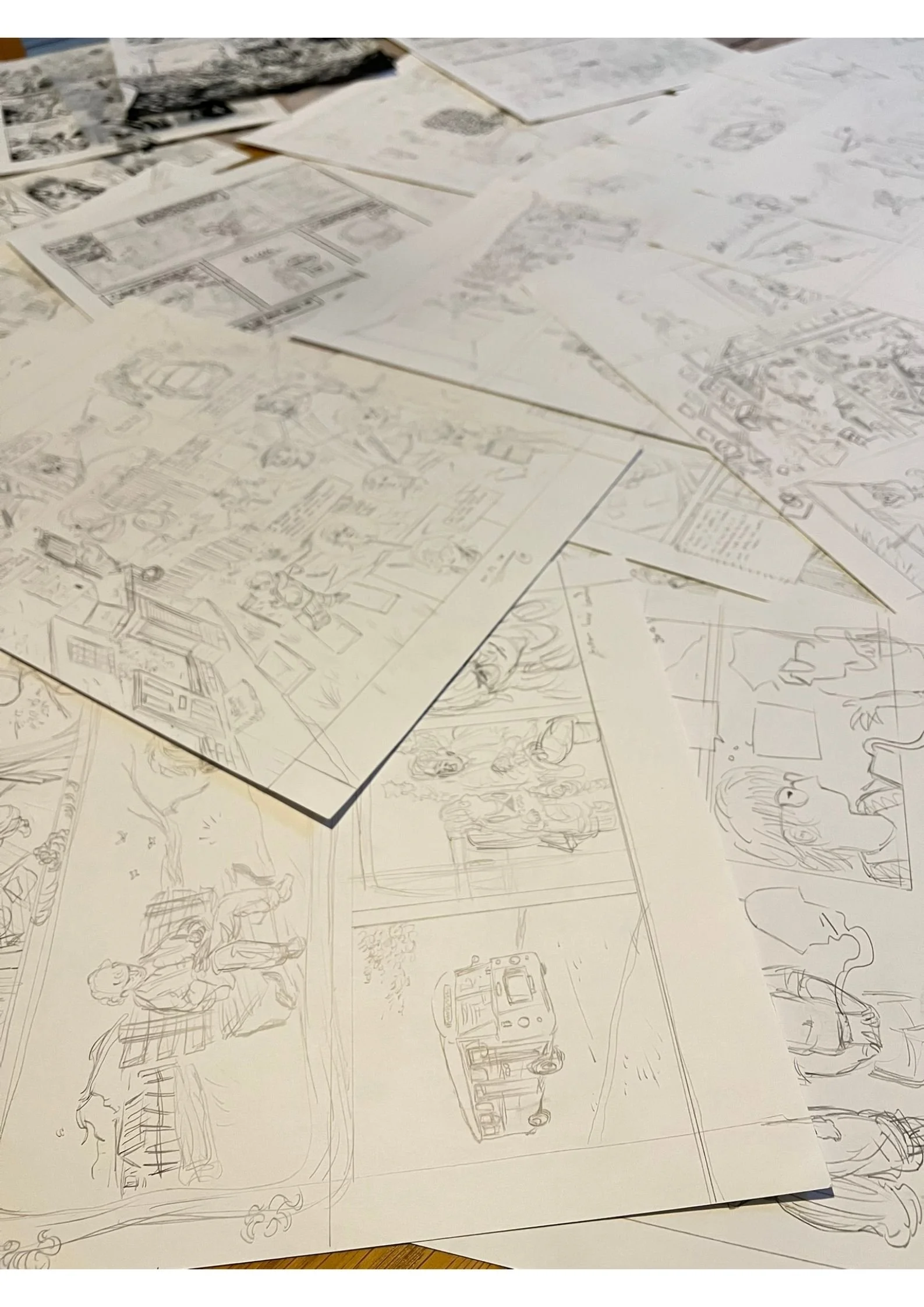
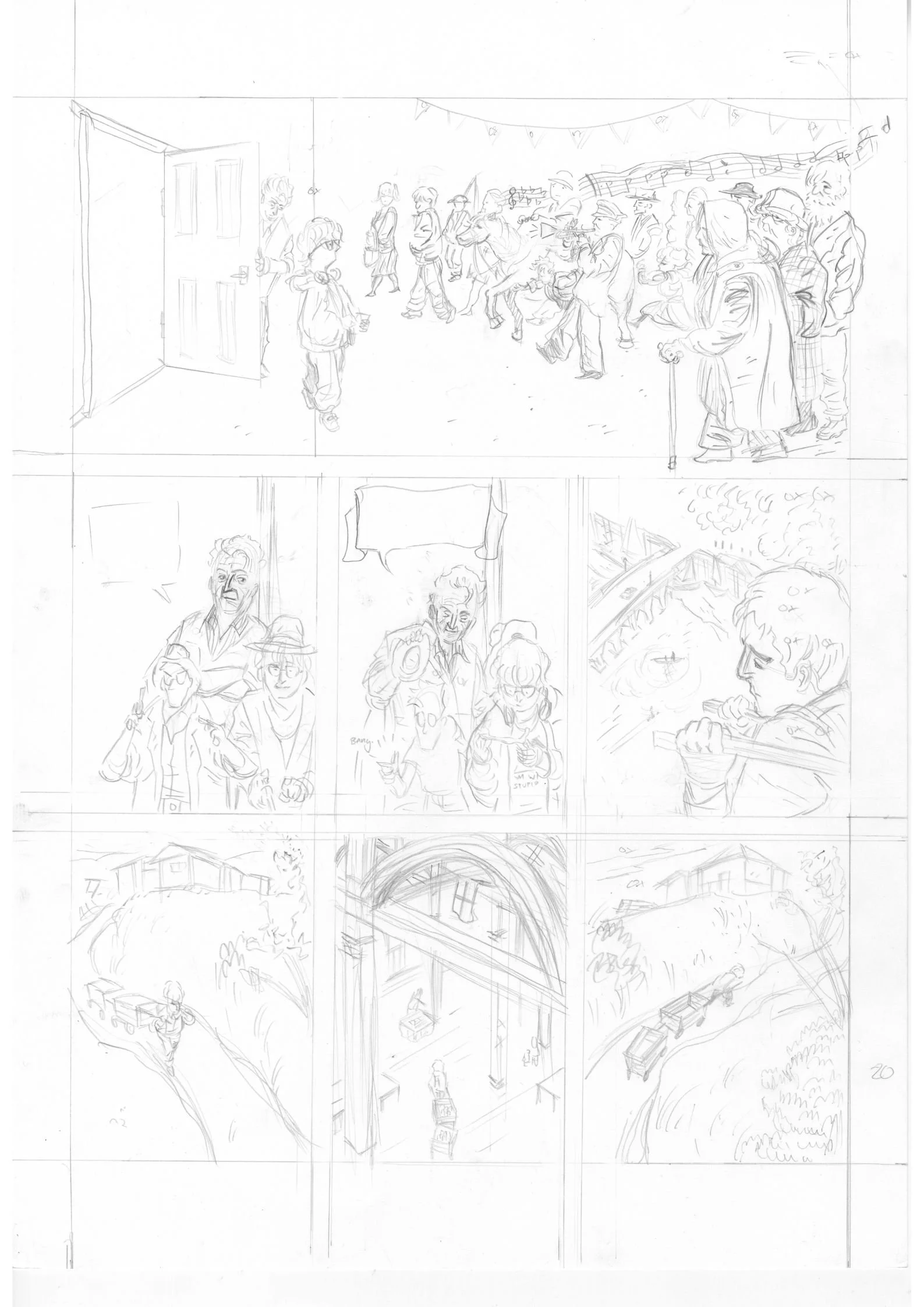
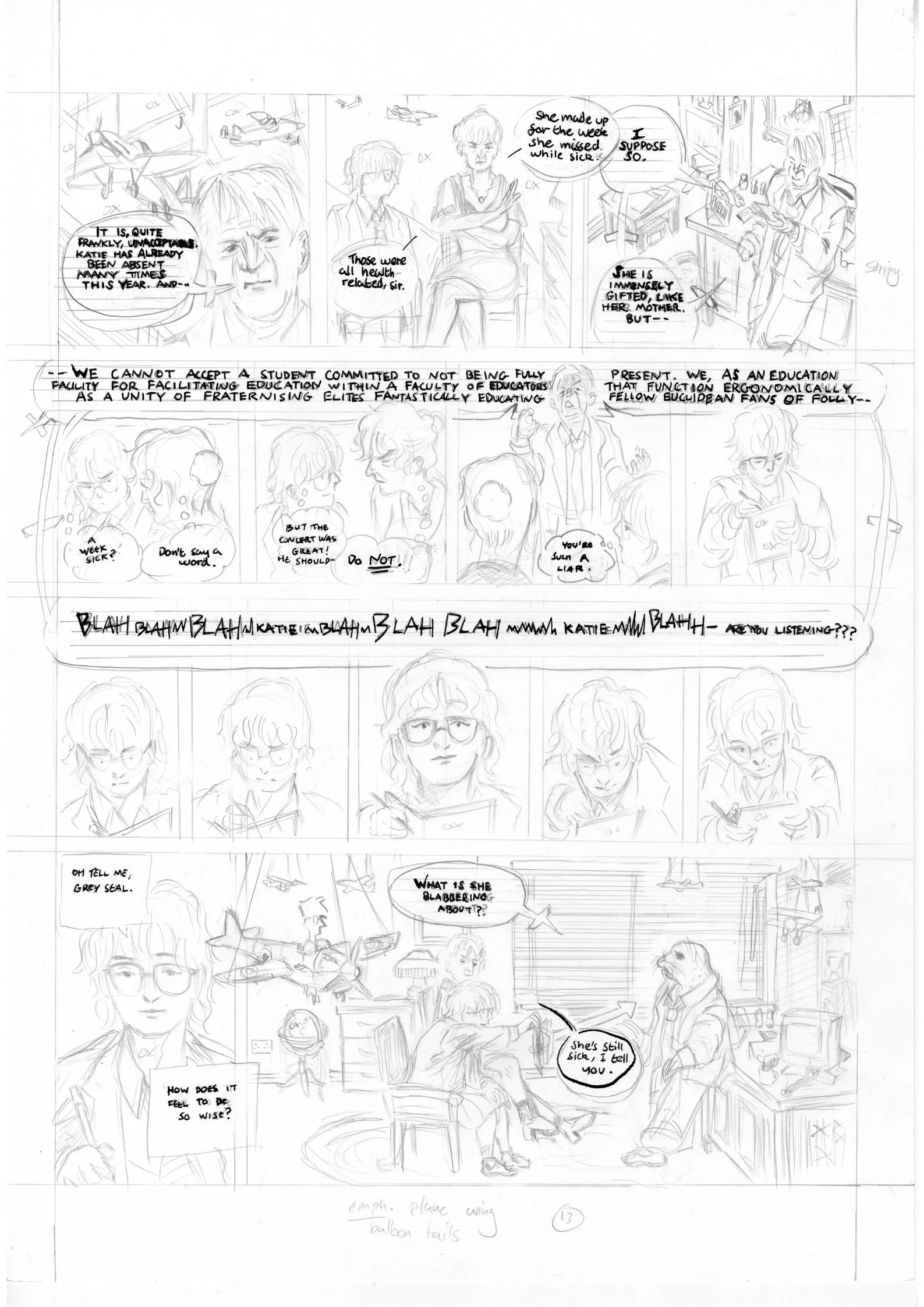
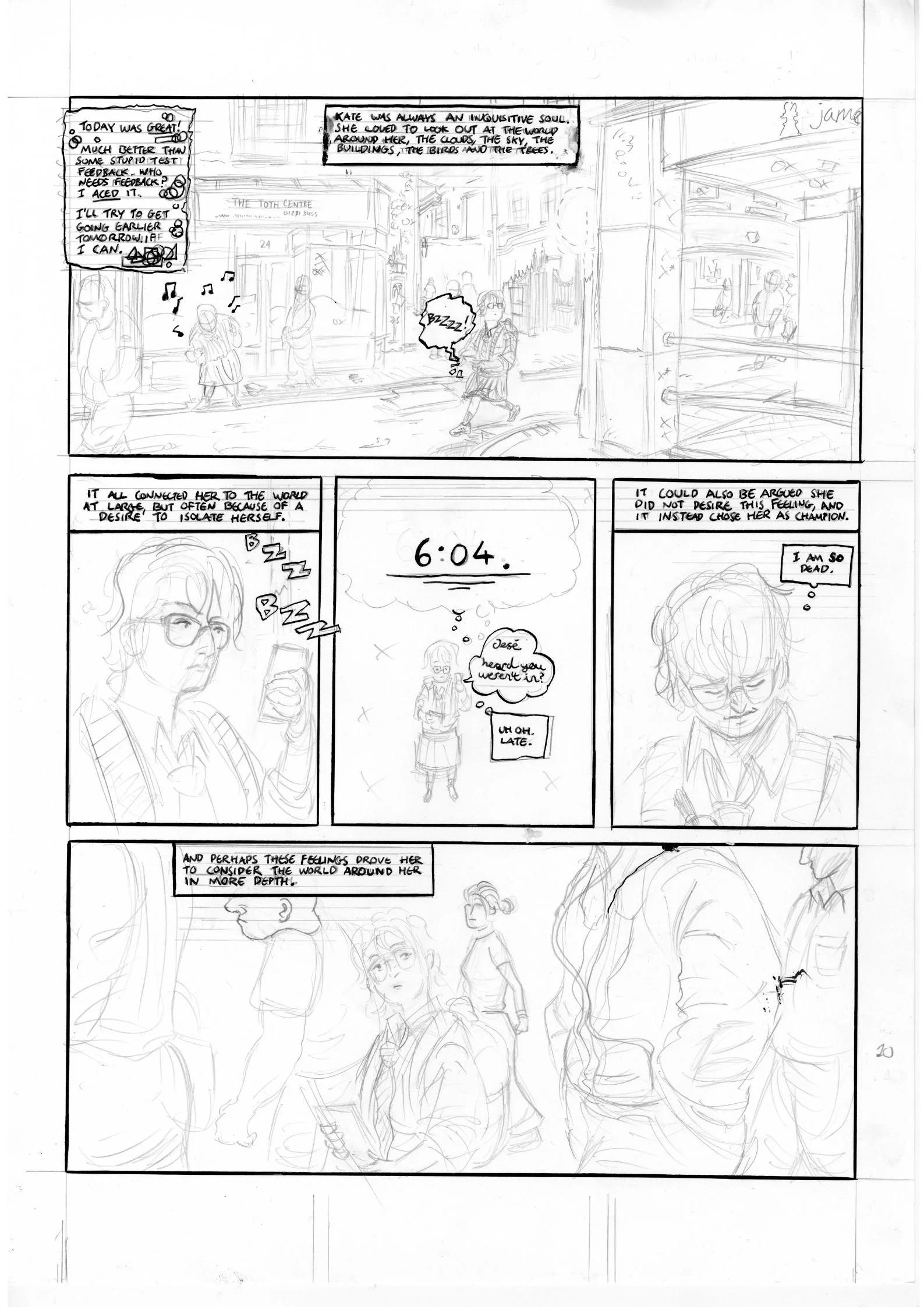
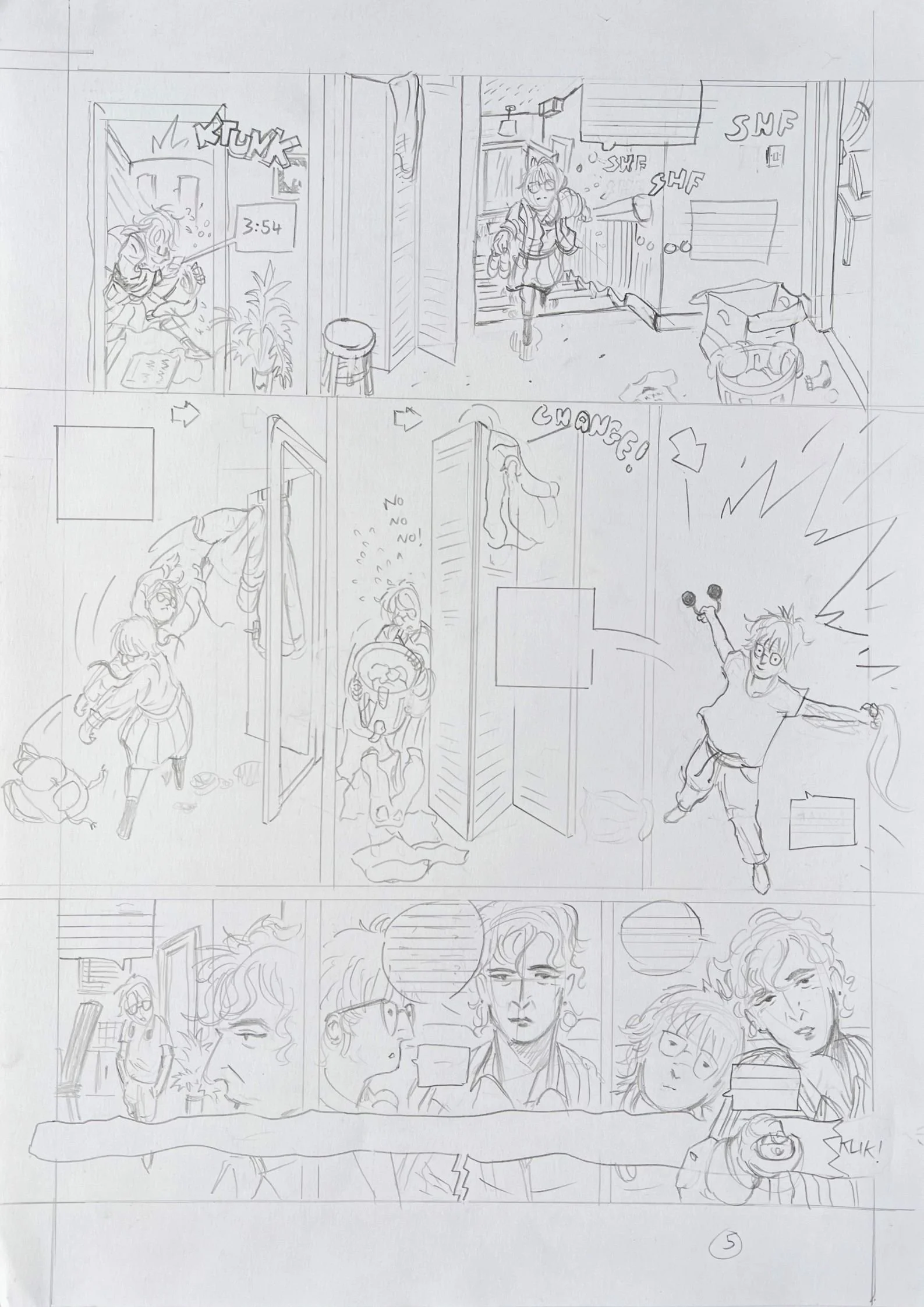
Alongside the narrative, selected images from the Beaford Archive are placed in dialogue with the text, responding to locations and themes as they emerge. These are shown alongside work in progress sketches by Abaan, offering an insight into the evolving visual language of the story. Together, these visual conversations form part of the work’s development, with a full graphic novel planned as a future outcome, growing directly from the material presented here.
*Disclaimer: This script contains symbolic representations of strong language (e.g., @#!) but no actual expletives.


CHARACTERS

AUTHOR – Writer, mysterious and erudite, with a wry sense of humour. He introduces the story by handing it over along with all credit.

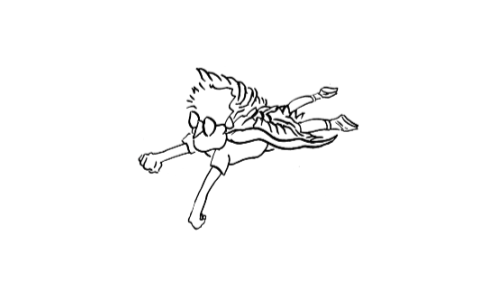
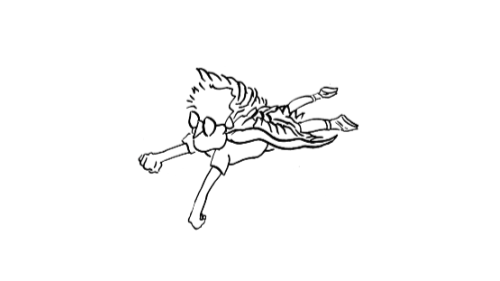
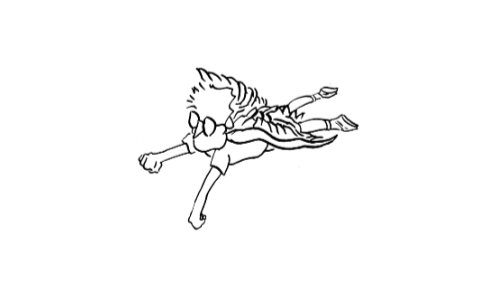
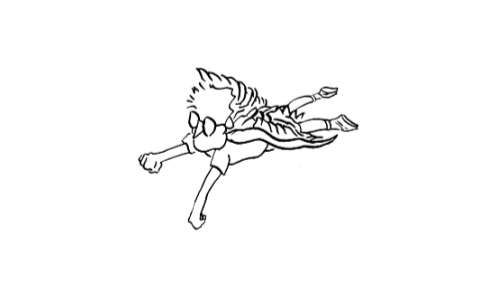
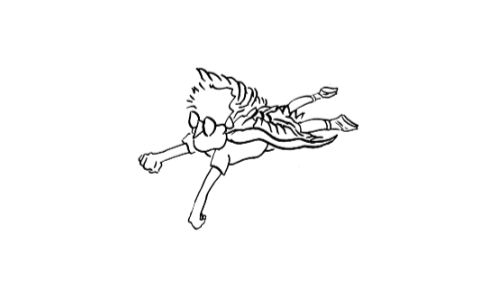
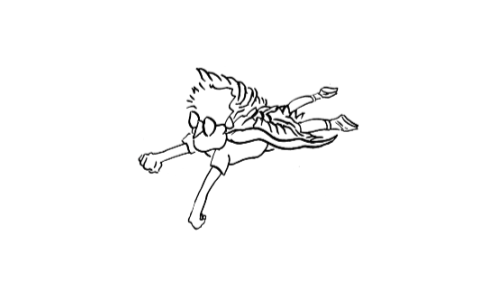
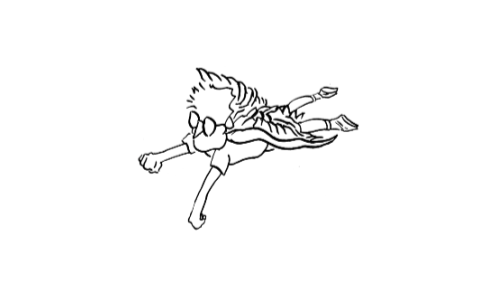
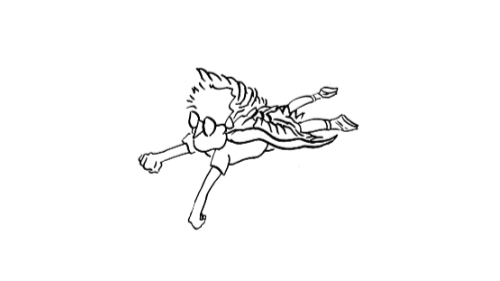
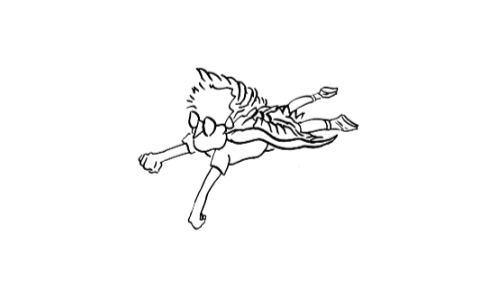
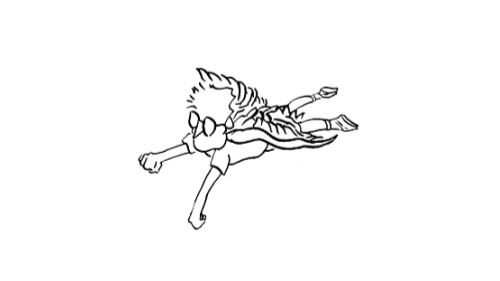
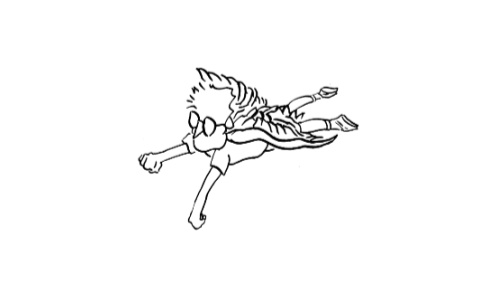
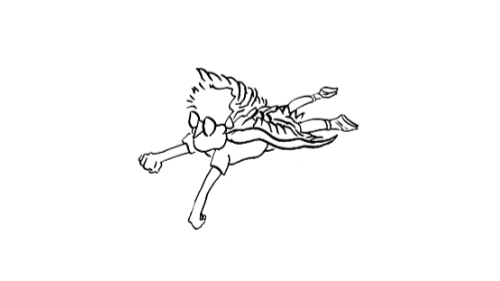
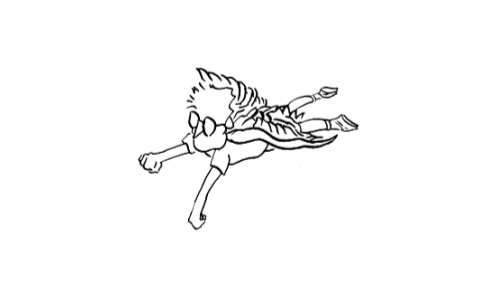
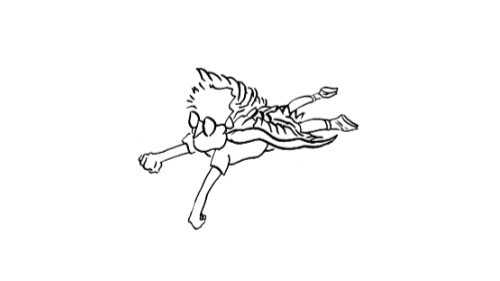
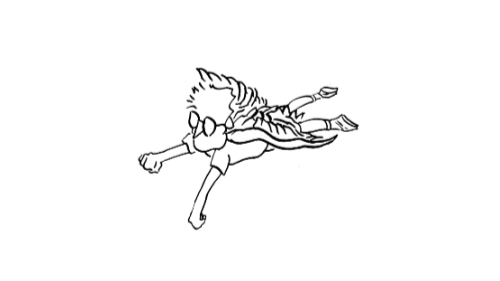
CRAZY – A mischievous, self-aware doodle character, born from Kate’s drawings in school. Speaks directly to the reader, whimsical and slightly sarcastic, acting as both narrator and playful commentator on events.

KATE – 14, almost 15, curious, inquisitive, and observant. Creative, a little isolated at times, but full of energy and personality. Enjoys doodling, nature, and exploring her surroundings. Slightly rebellious, loves adventure, and has a strong bond with her family.

JOSEPHINE – Kate’s school friend, supportive and friendly. Practical, bubbly, and a little conventional compared to Kate’s free-spirited curiosity.

KATE’S MUM – Energetic, modern, slightly exasperated, and humorous. Supportive but distracted; has a playful rapport with Kate. Pragmatic, loves convenience.

FISHERMAN / MUM’S FRIEND – Outdoorsy, practical, and humorous. Works on Lundy Island. Slightly sarcastic, enjoys teasing Kate, grounded personality.

GRANDFATHER (GEORGE) – Elderly, wise, reflective, poetic, deeply connected to North Devon. Strong storyteller, nostalgic, emotionally expressive, kind-hearted but sometimes melancholic. Values nature, art, and tradition.

GRANDMOTHER (KATHERINE) – Beautiful, free-spirited, adventurous, artistic. Seen only in stories and memory, but her personality profoundly influences Kate’s family. Energetic, curious, encouraging.

HEADMASTER – Stern, formal, bureaucratic, somewhat overbearing. Represents authority and conventional education.

For ____.


PROLOGUE


AUTHOR: This author gives all literary credit for this work, from historical research to the prose itself, to ‘von Cappenberg III’ (whom God rest). Without this seminal research into the subjects, this work would not have been possible.


“What Tarquinius the Proud spoke in his garden with the poppies was understood by his son, but not by the messenger.”

-J.G. Hamann


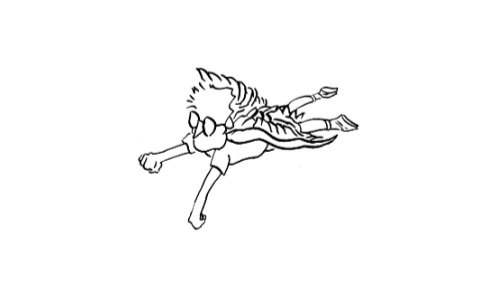
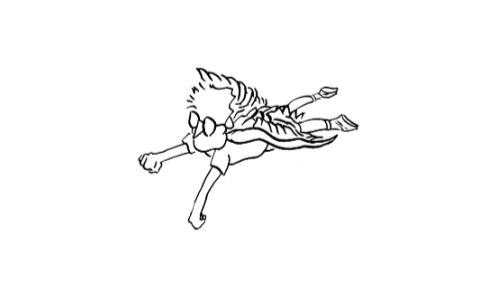
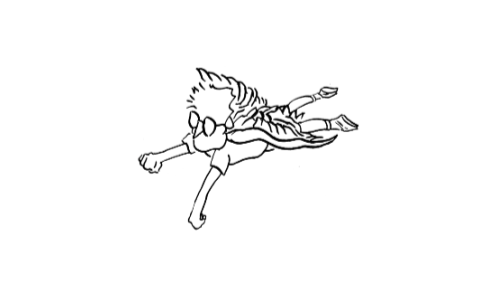
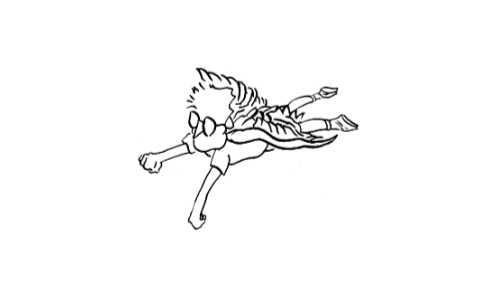
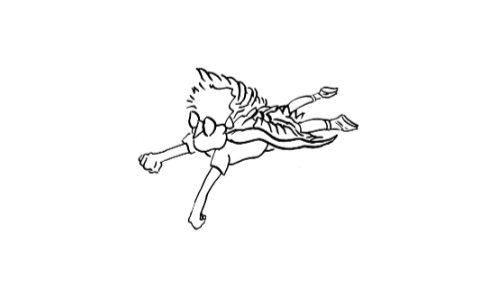
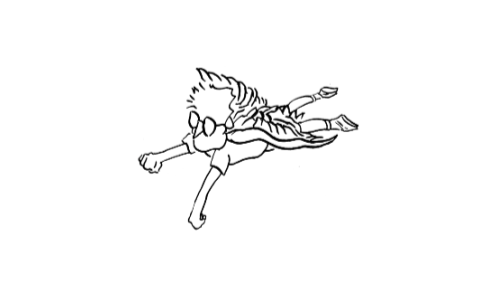
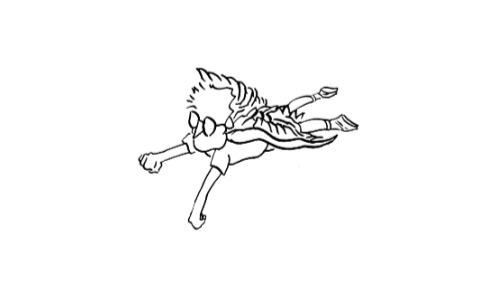
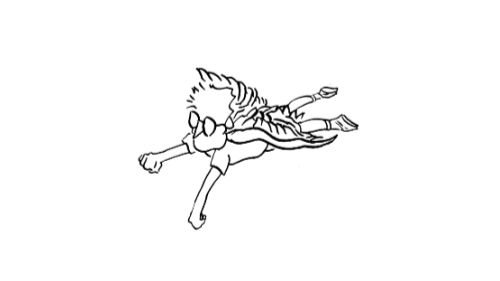
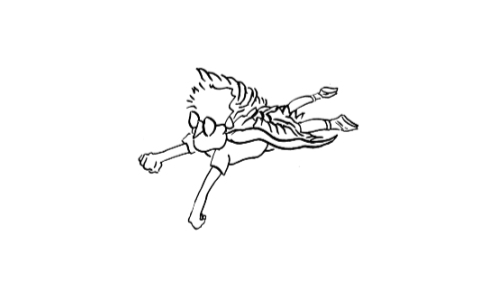
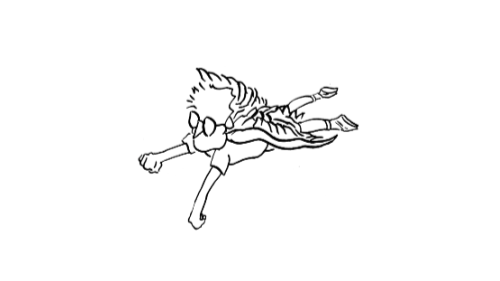
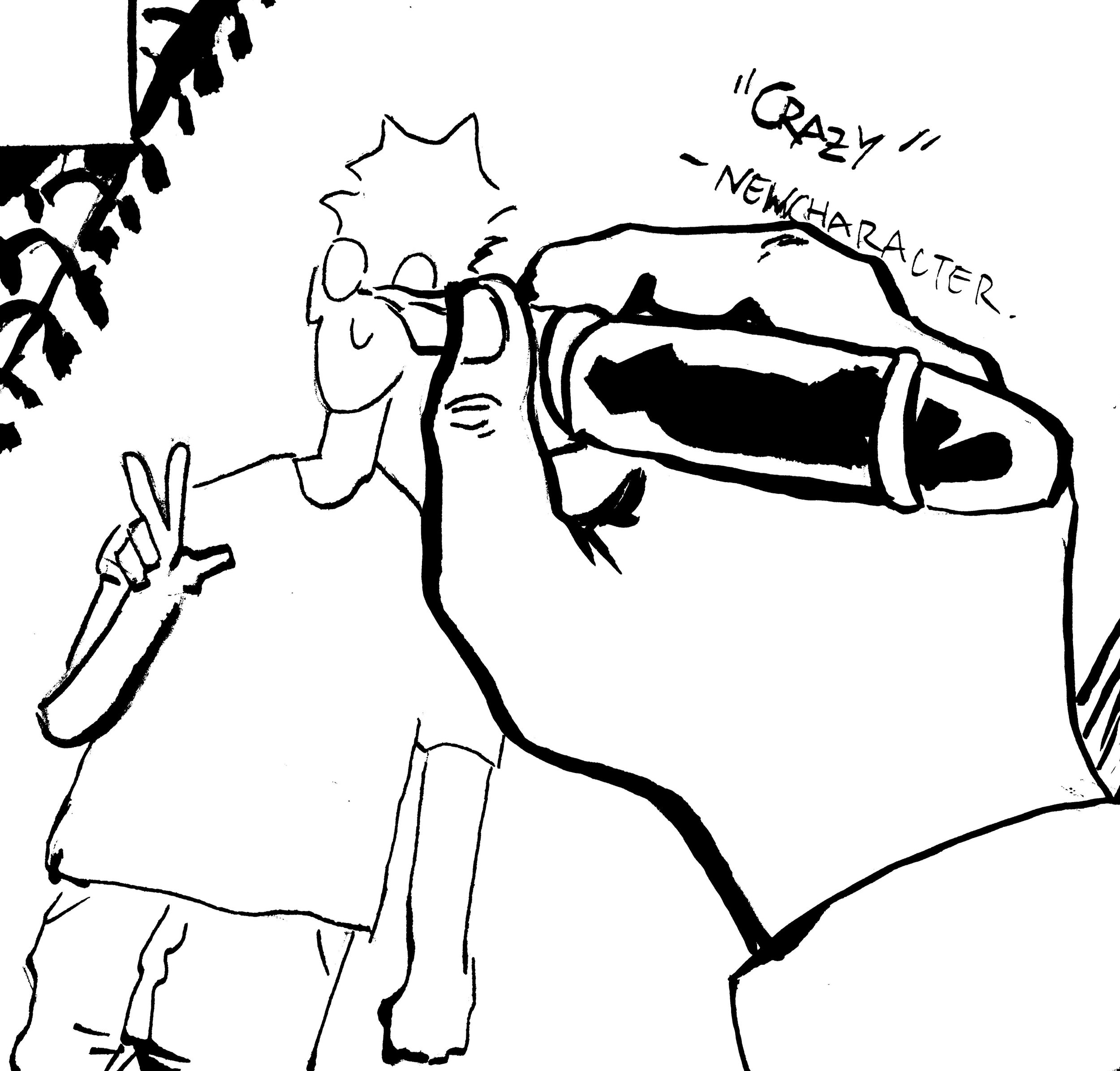
IMAGE: There is a doodle of a cartoon character, with an arrow pointed at him saying “Crazy”.


PAGE 1

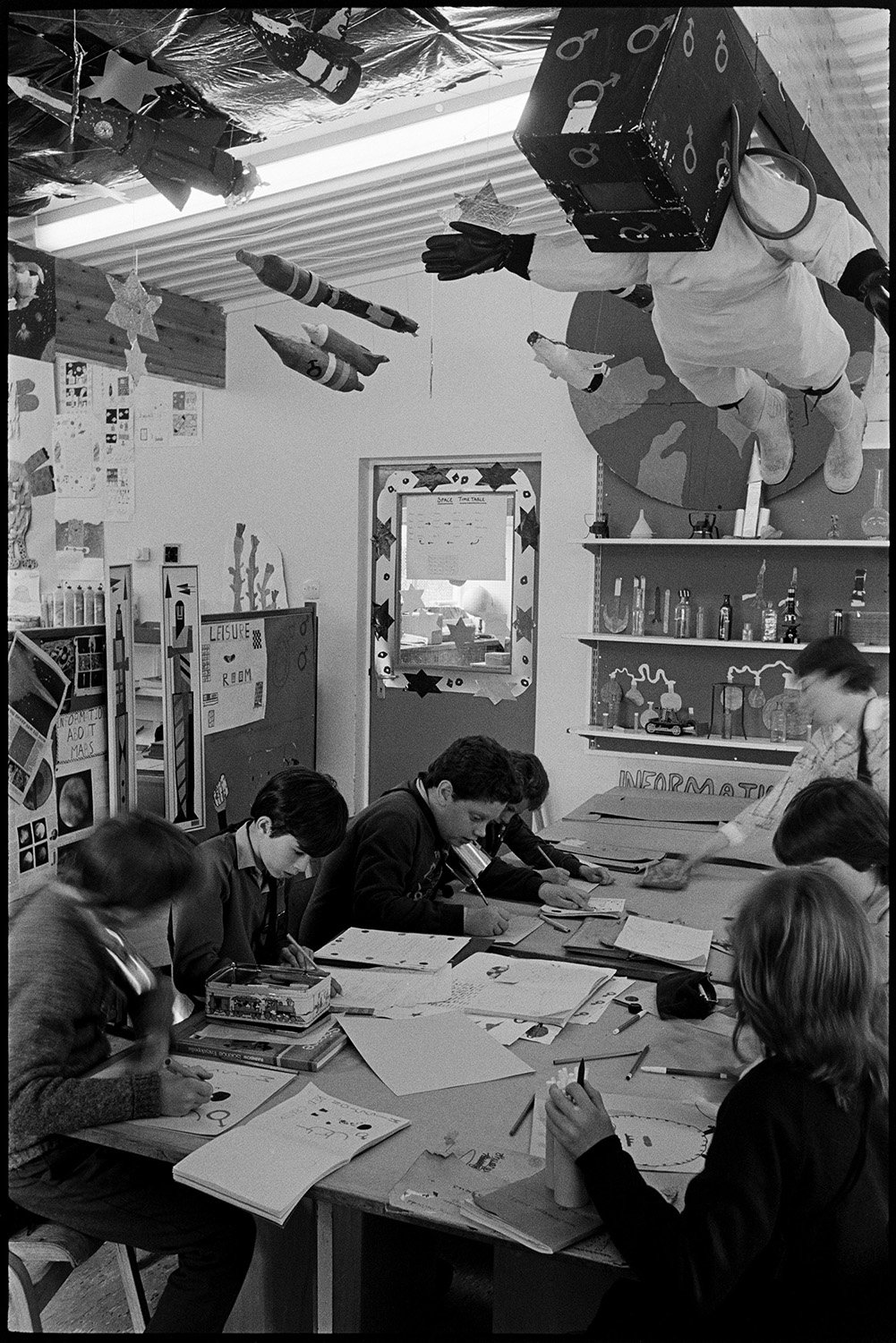
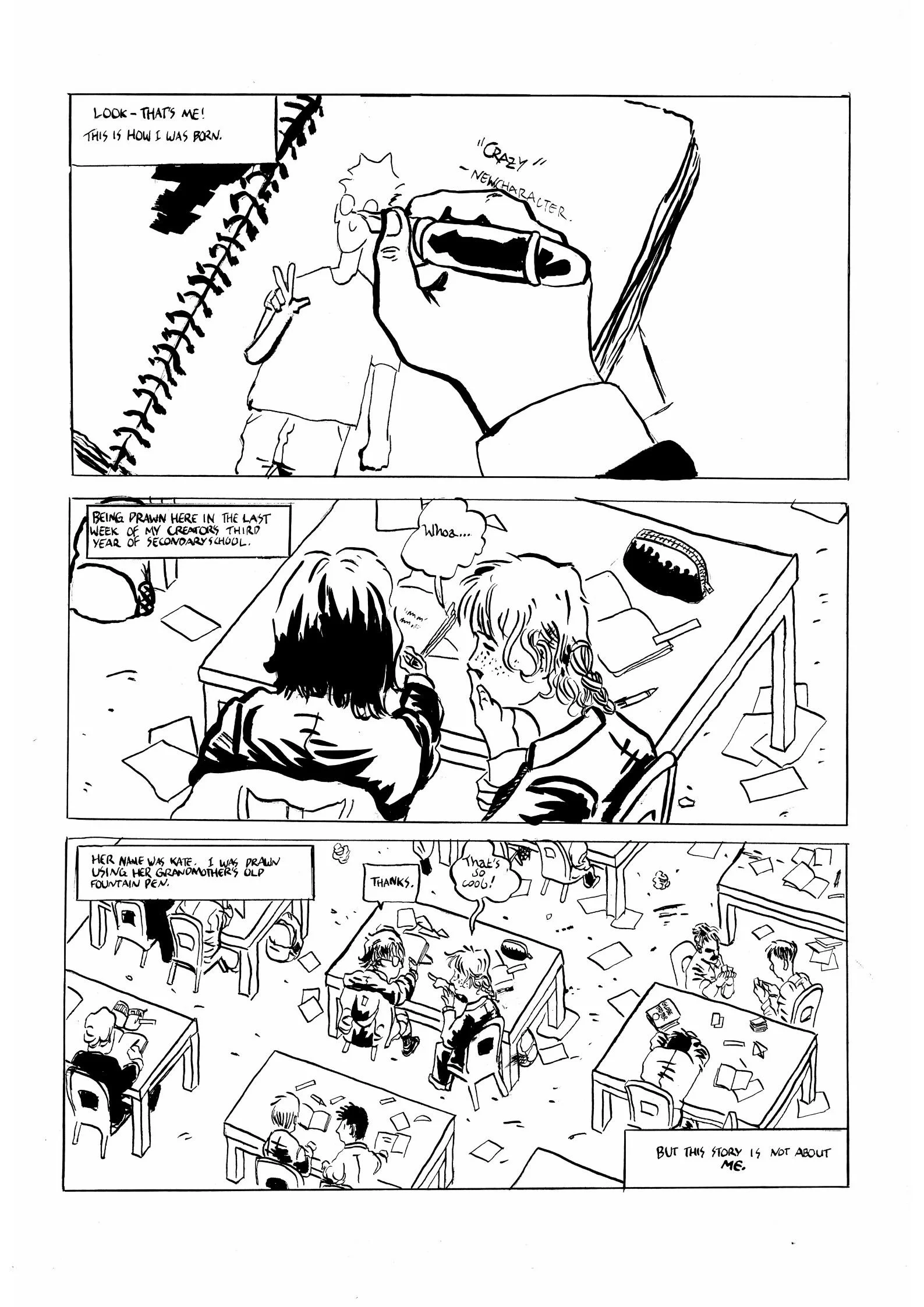
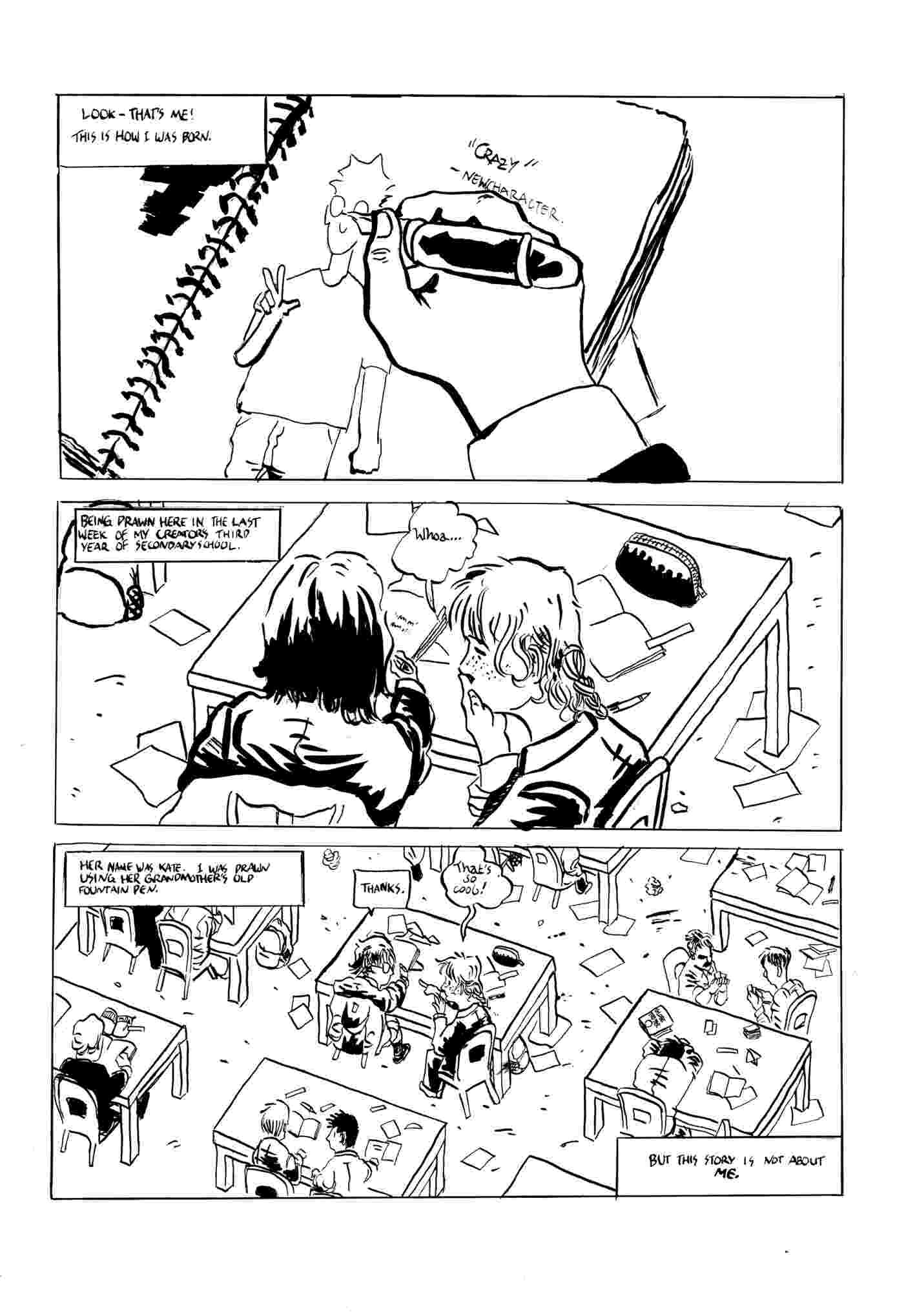
IMAGE: Kate doodling in class, the same doodle as the beginning of Crazy von Cappenberg III.

CRAZY (to reader): Look - That’s me! This is how I was born.

Being drawn here in the last week of my creator’s third year of secondary school.


IMAGE: Two school friends sat in class together


JOSEPHINE: Whoa…


CRAZY(to reader): Her name was Kate. I was drawn using her  grandmother’s old fountain pen.


JOSEPHINE: That’s so cool.


KATE: Thanks.


CRAZY(to reader): But this story is not about me.


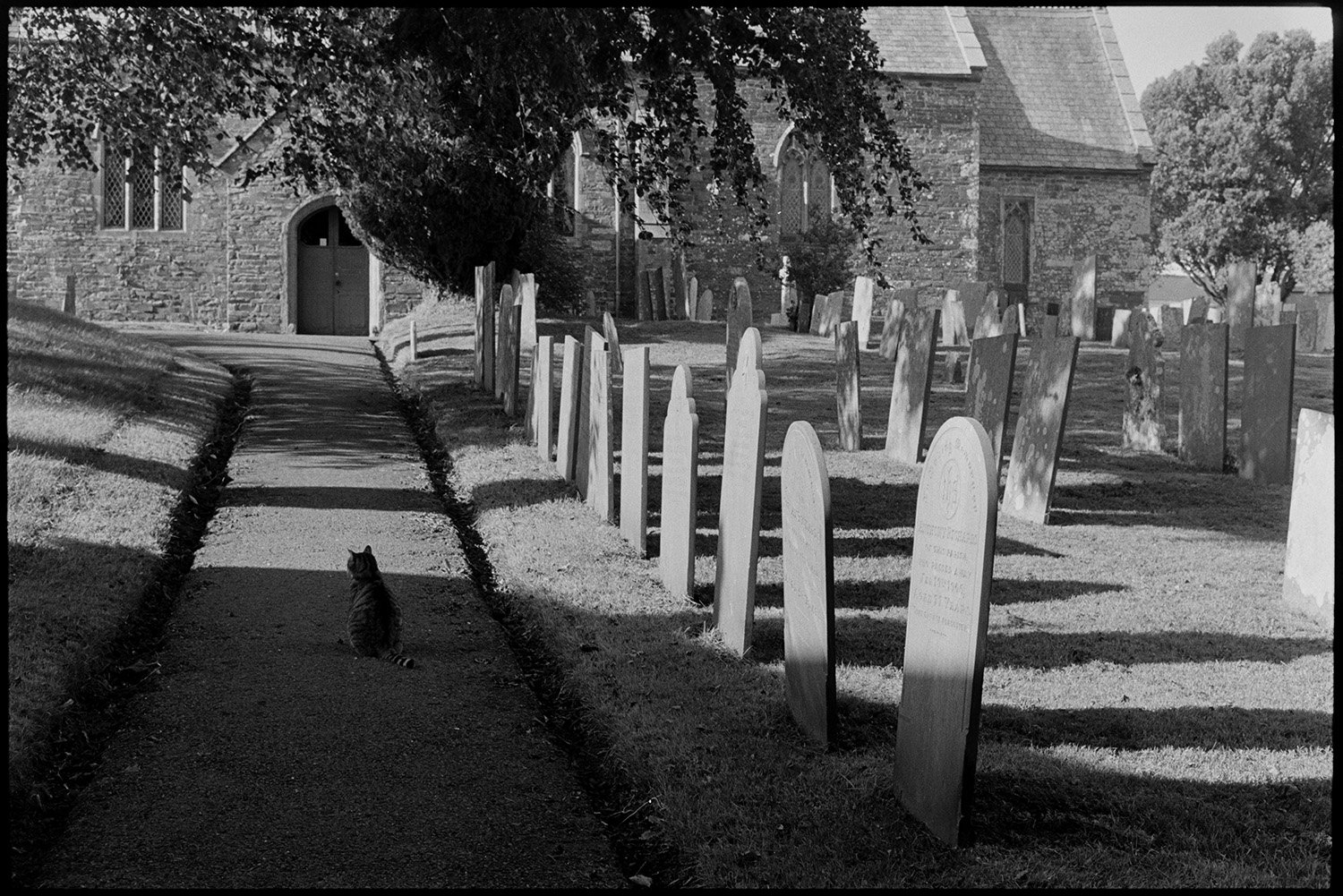
Documentary photograph by James Ravilious for the Beaford Archive © Beaford Arts.


PAGE 2

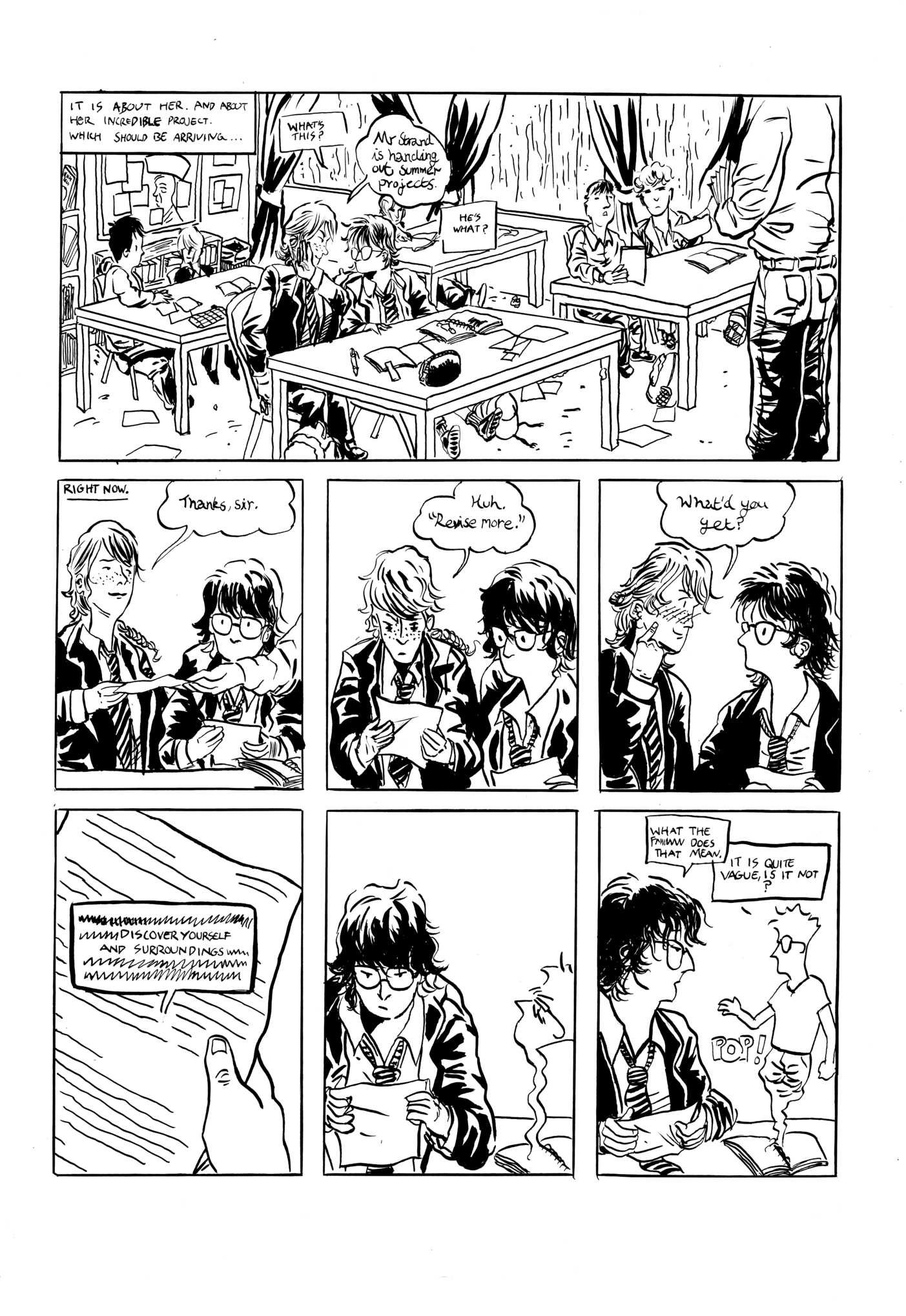
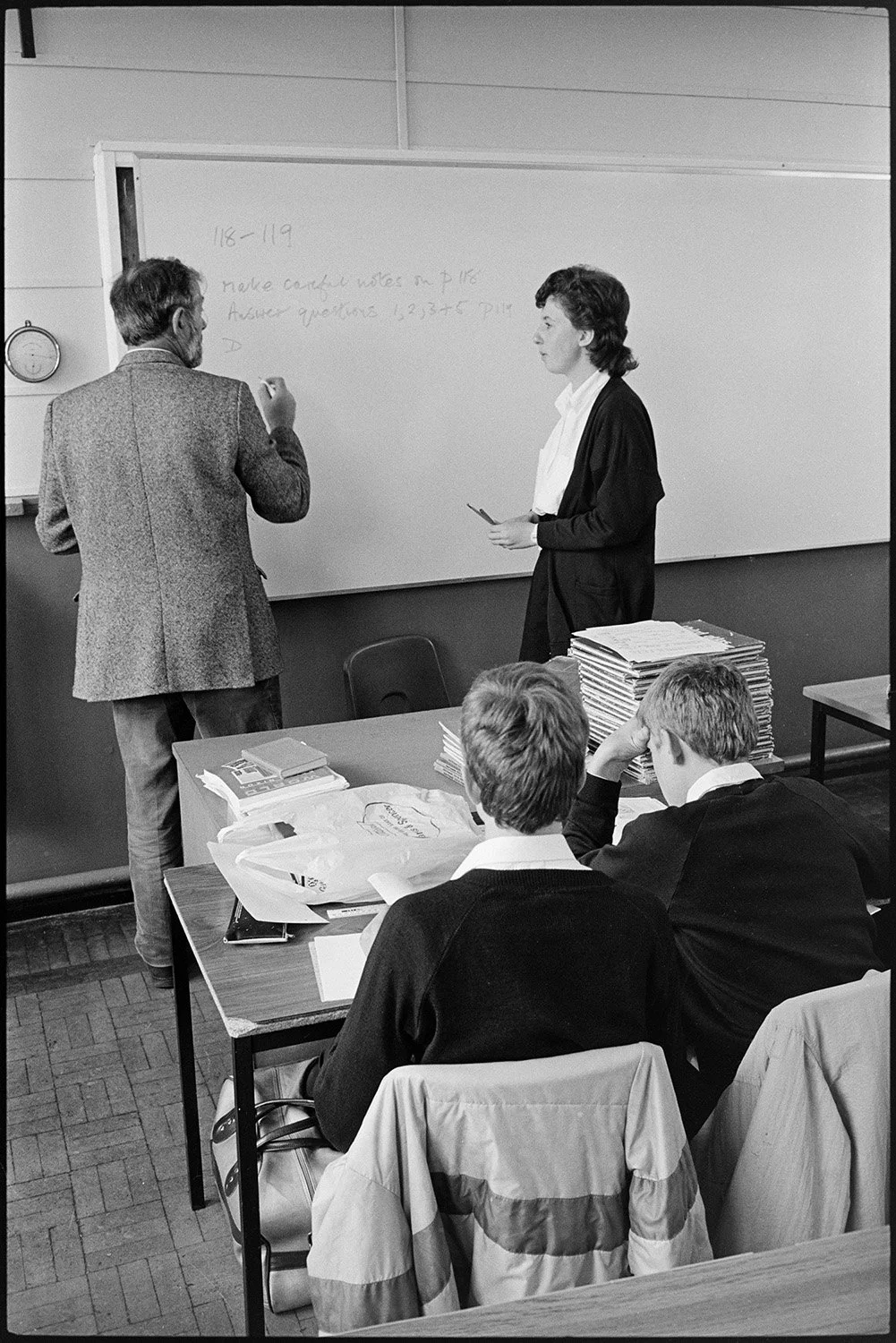
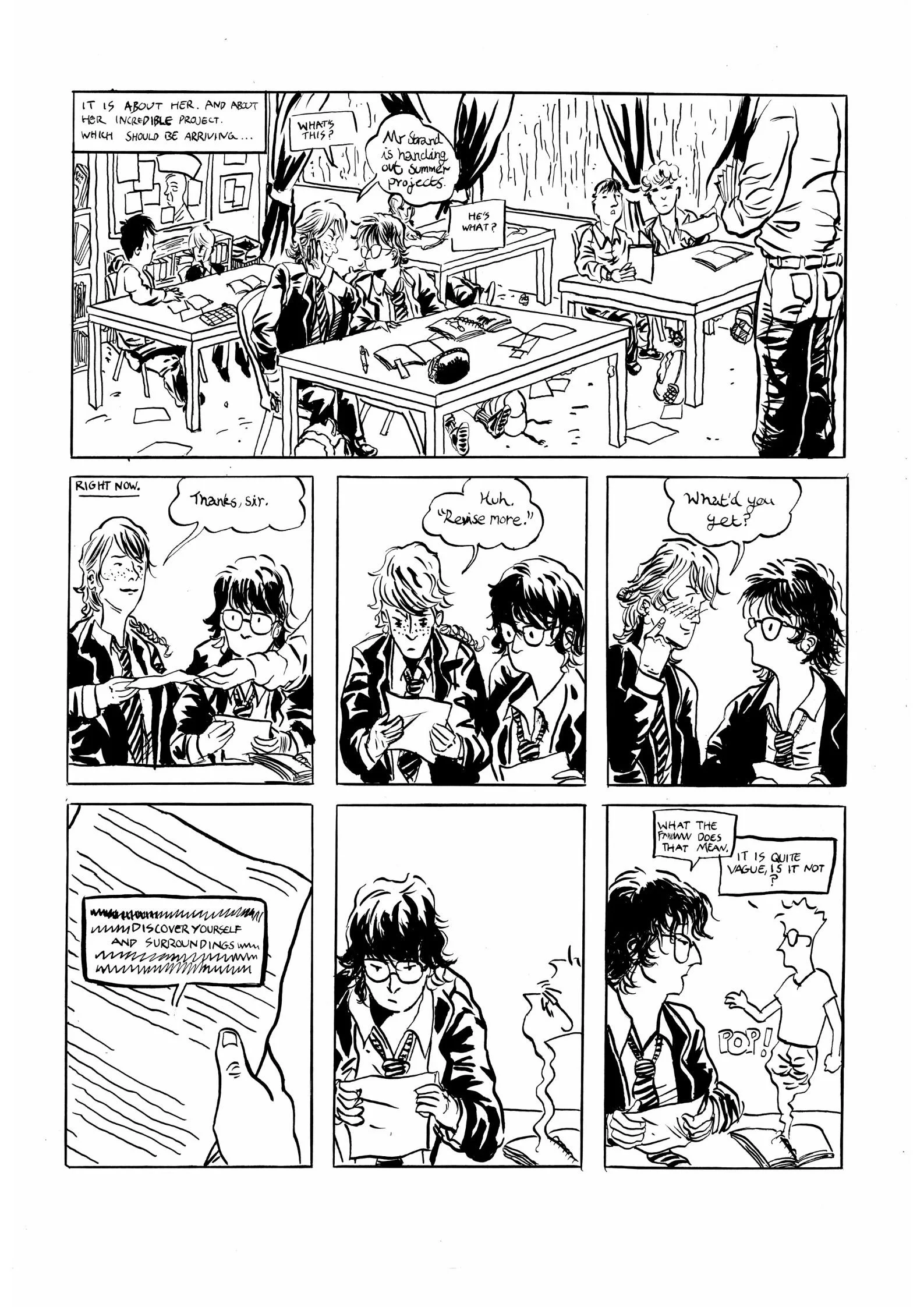
IMAGE: Teacher hands paper to students


KATE: What’s this?


JOSEPHINE: Mr Strand is giving out summer projects.


KATE: He’s what?


CRAZY(to reader): It is about her. And her incredible project, which should be arriving -

Right now.


JOSEPHINE: Thanks, sir.

Huh. ‘Revise more’.

What’d you get?


IMAGE: ‘discover yourself and surroundings’ is written on the paper as Kate looks confused.


KATE: …

what the @#%! does that mean.


CRAZY(to reader): It is quite vague, is it not?


Documentary photograph by James Ravilious for the Beaford Archive © Beaford Arts.


PAGE 3

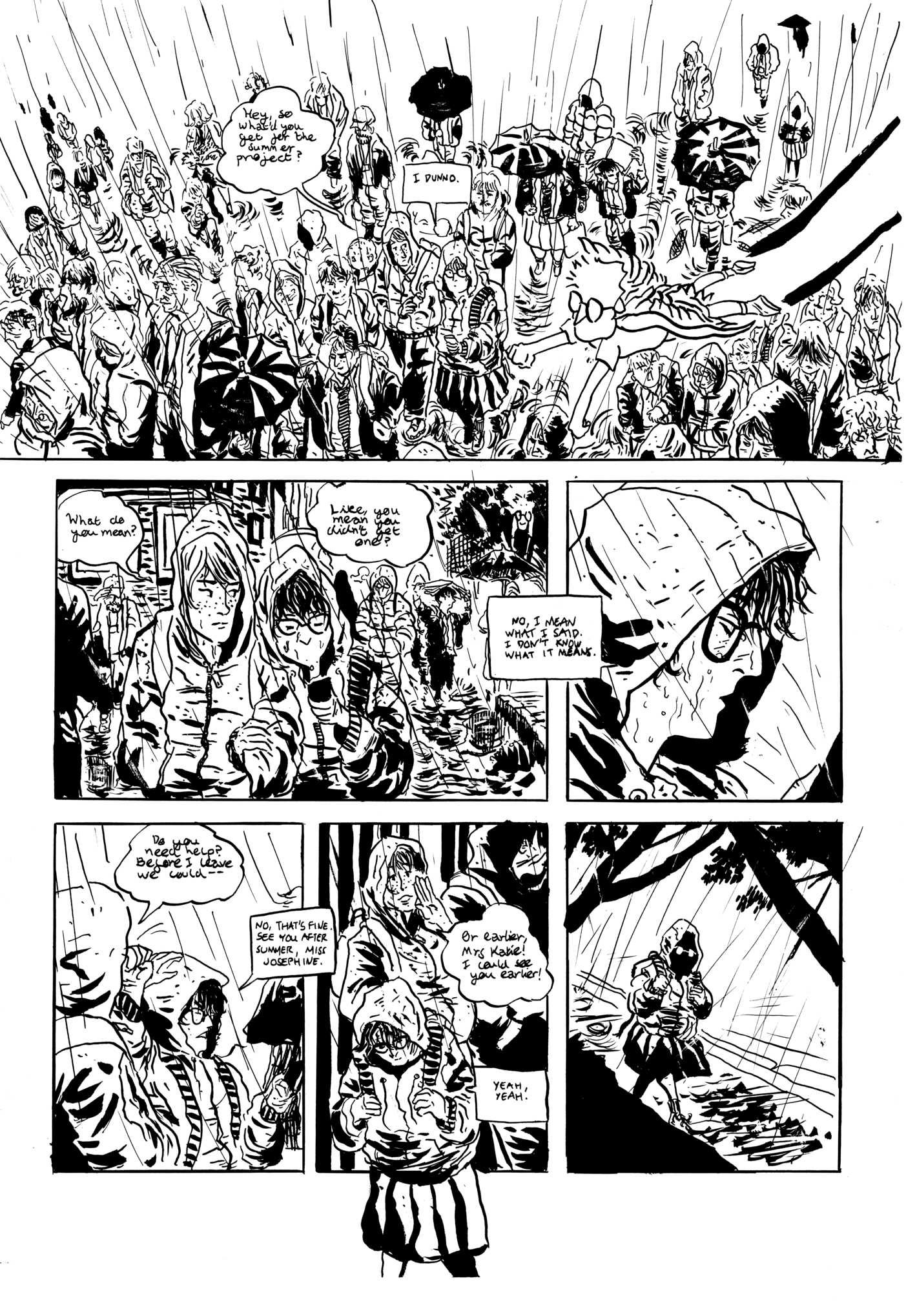
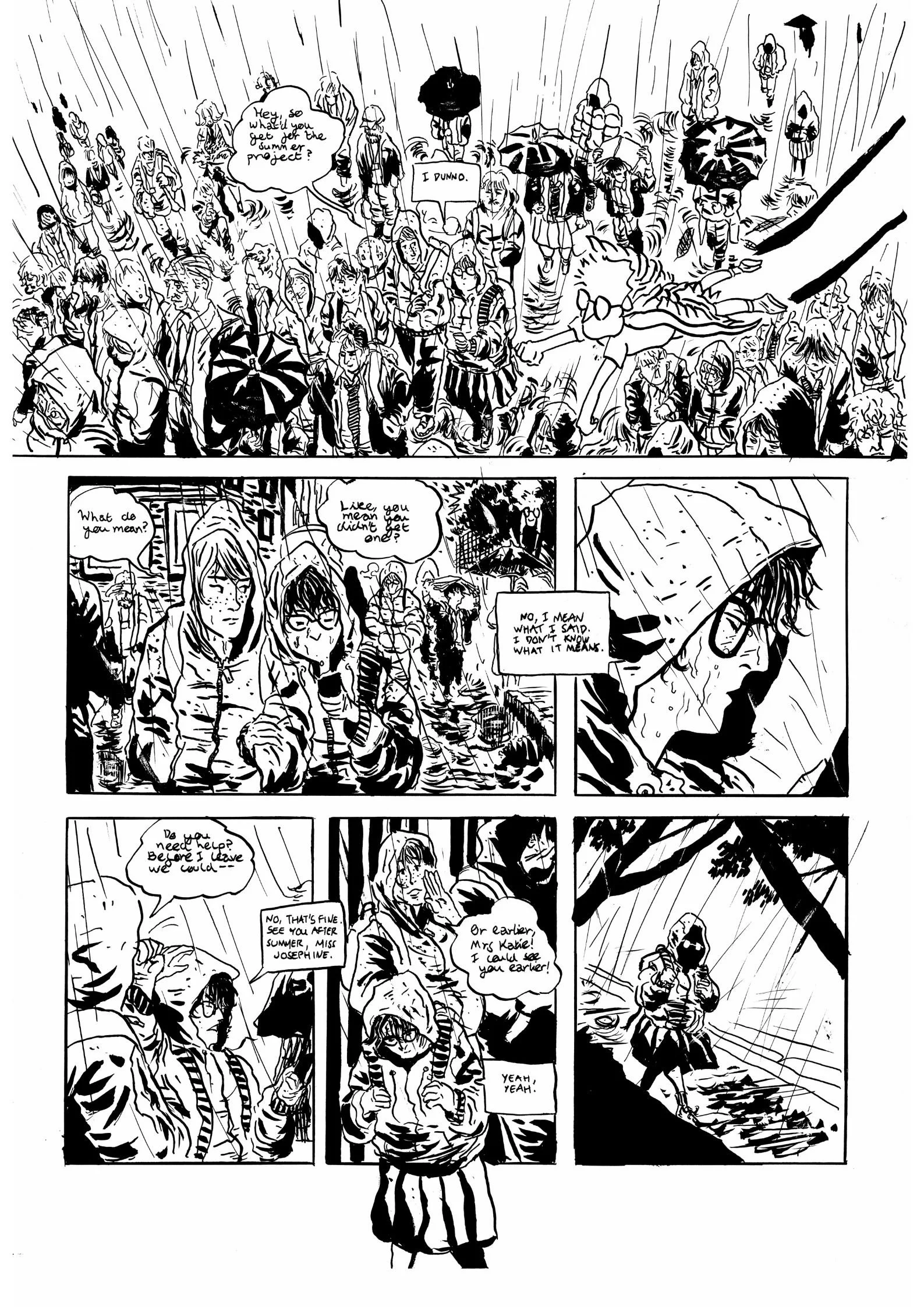
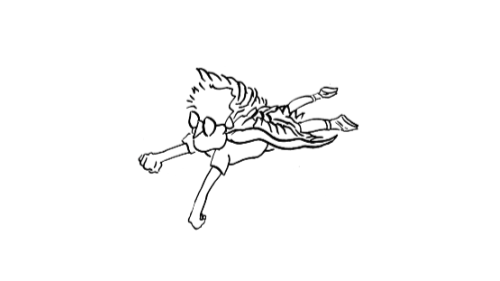
IMAGE: A continuous flowing crowd of kids all clamber to get out of class, each wearing coats to hide from the rain. We can see our narrator Crazy floating along.


JOSEPHINE: What’d you get for summer project?


KATE: I dunno.


JOSEPHINE: What do you mean? Like, you didn’t get one?


KATE: No, I mean what I said. I don’t know what it means.


JOSEPHINE: You need help? Before I leave we could –


KATE: No, that’s fine. See you after summer, Miss Josephine.


JOSEPHINE: Or earlier, Mrs Katie! I could see you earlier!


KATE: Yeah yeah.


IMAGE: Kate runs off after passing through the gate.


Waiting for the school bus. Photograph by James Ravilious © Beaford Arts digitally scanned from a Beaford Archive negative.


PAGE 4

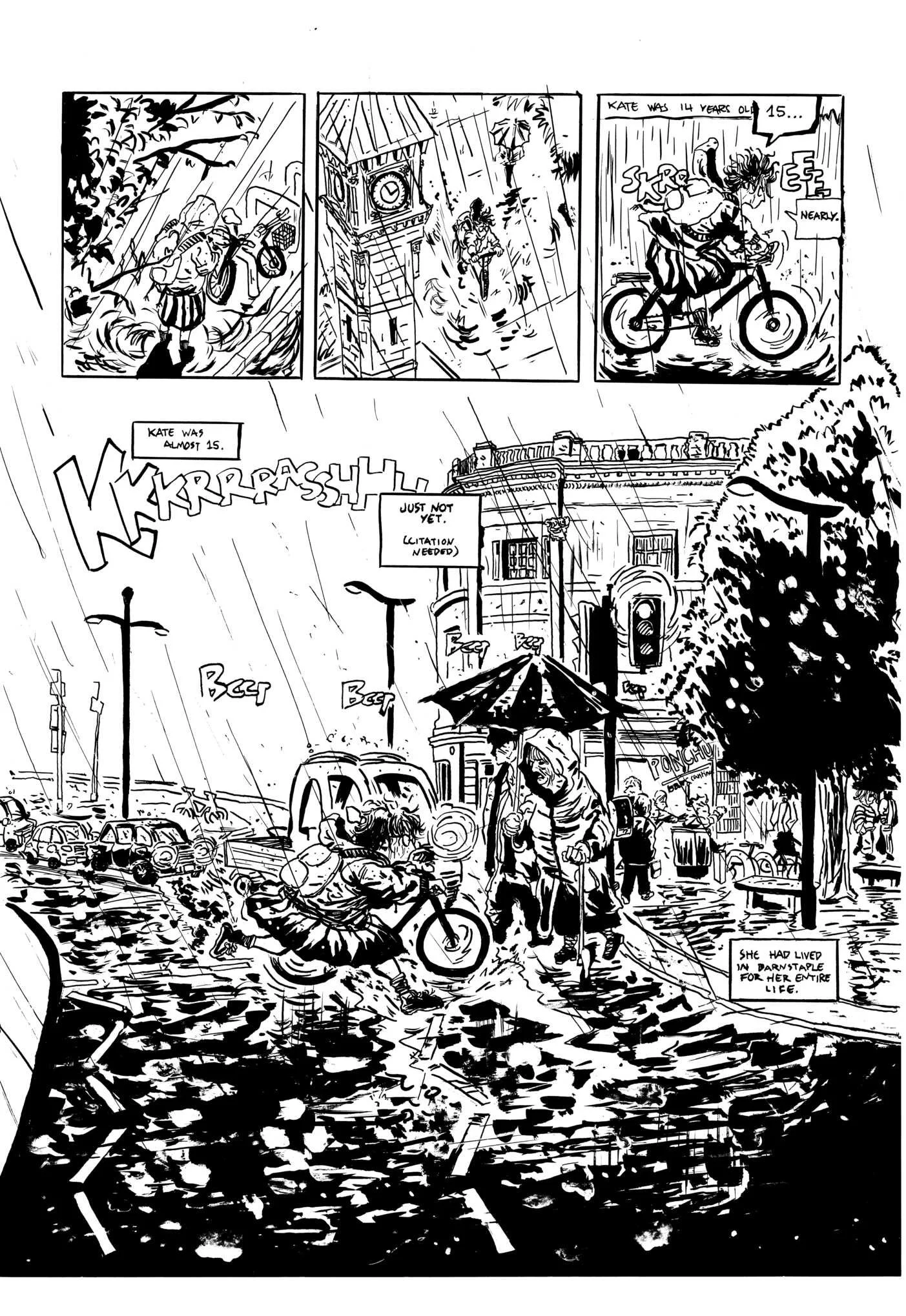
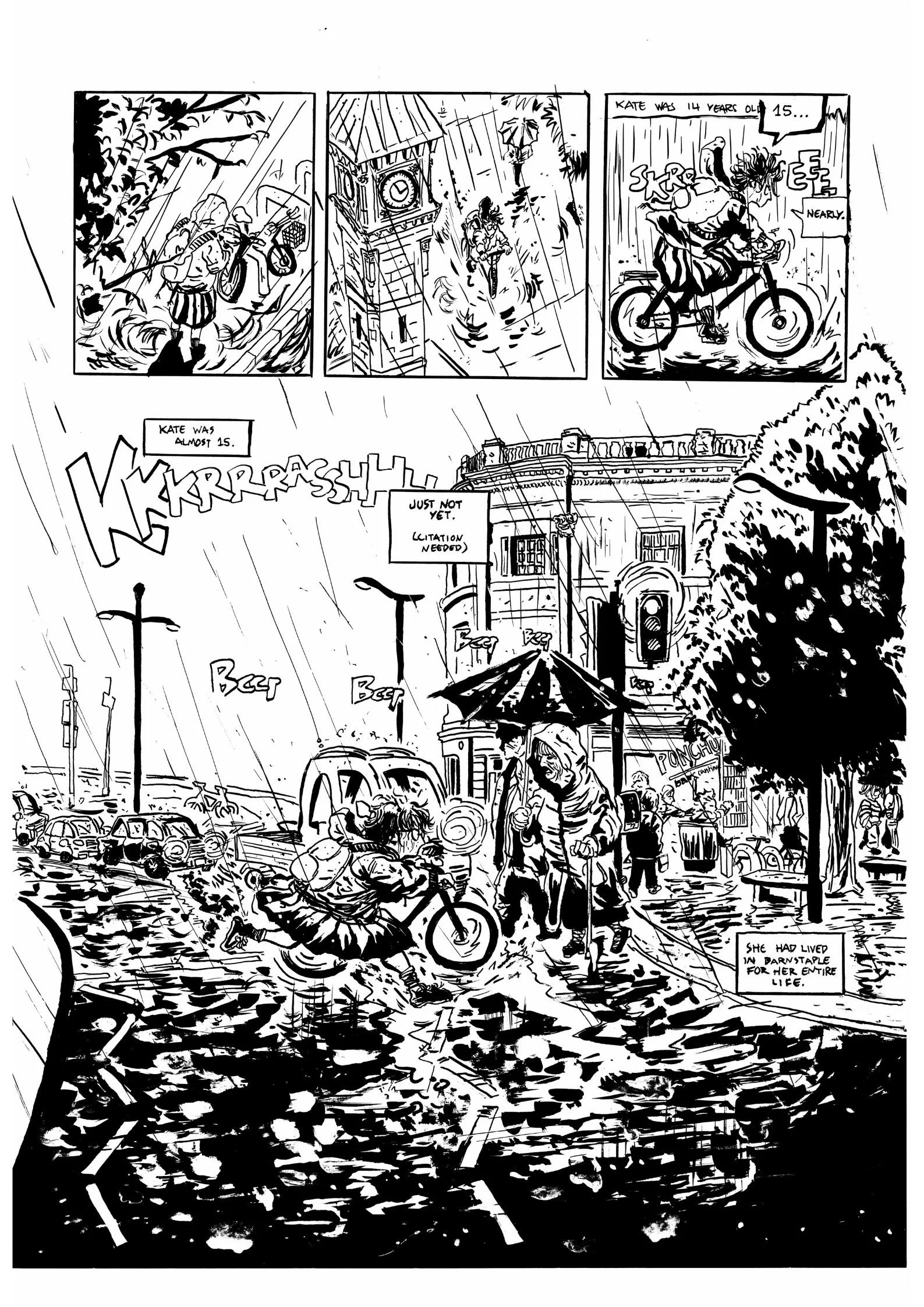
CRAZY(to reader): Kate was 14 years old


KATE (Correcting Crazy): 15. Nearly.


IMAGE: Kate unlocks her bike and cycles through town, the heavy rain beating down upon her coat.


CRAZY(to reader): Kate was almost 15.

Just not yet. (citation needed)

She had lived in Barnstaple for her entire life.


Documentary photograph by Roger Deakins for the Beaford Archive © Beaford Arts.


PAGE 5

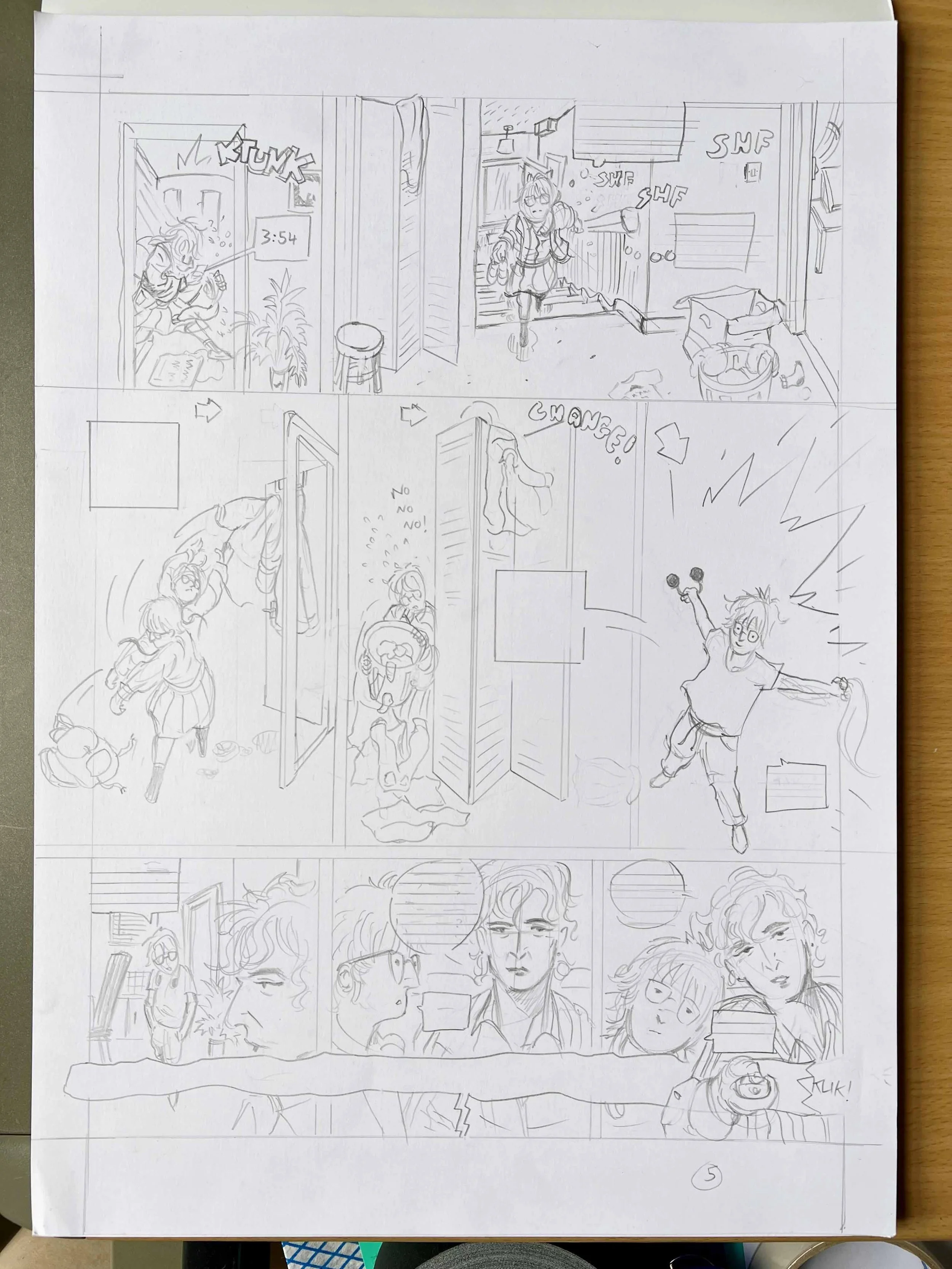
IMAGE: Kate arrives home, tosses her bag into the kitchen, and runs upstairs, shoes in hand. Her clothes are completely drenched from the rain. She sees the clock: 3:54.


KATE: If I know mum, food will be ready in –


IMAGE: A large continuous panel (de lucca?) of her changing out of her school uniform into her home clothes. Smaller panels interrupt this as she runs across her upstairs corridor, tossing her things about and denoting the time.


KATE: 3, 2, 1…


IMAGE: Kate runs downstairs and finds her mum sat on the sofa, and blaring some show. A frozen pizza is already in the oven. She sits beside her mum and snuggles up as they watch a show.

KATE: Hey mum. What’s for tea?


KATE’S MUM: What am I, your servant? Do I have to make food all the time?


KATE: Duh.


KATE’S MUM: We’re having pizza.


KATE: Sound.


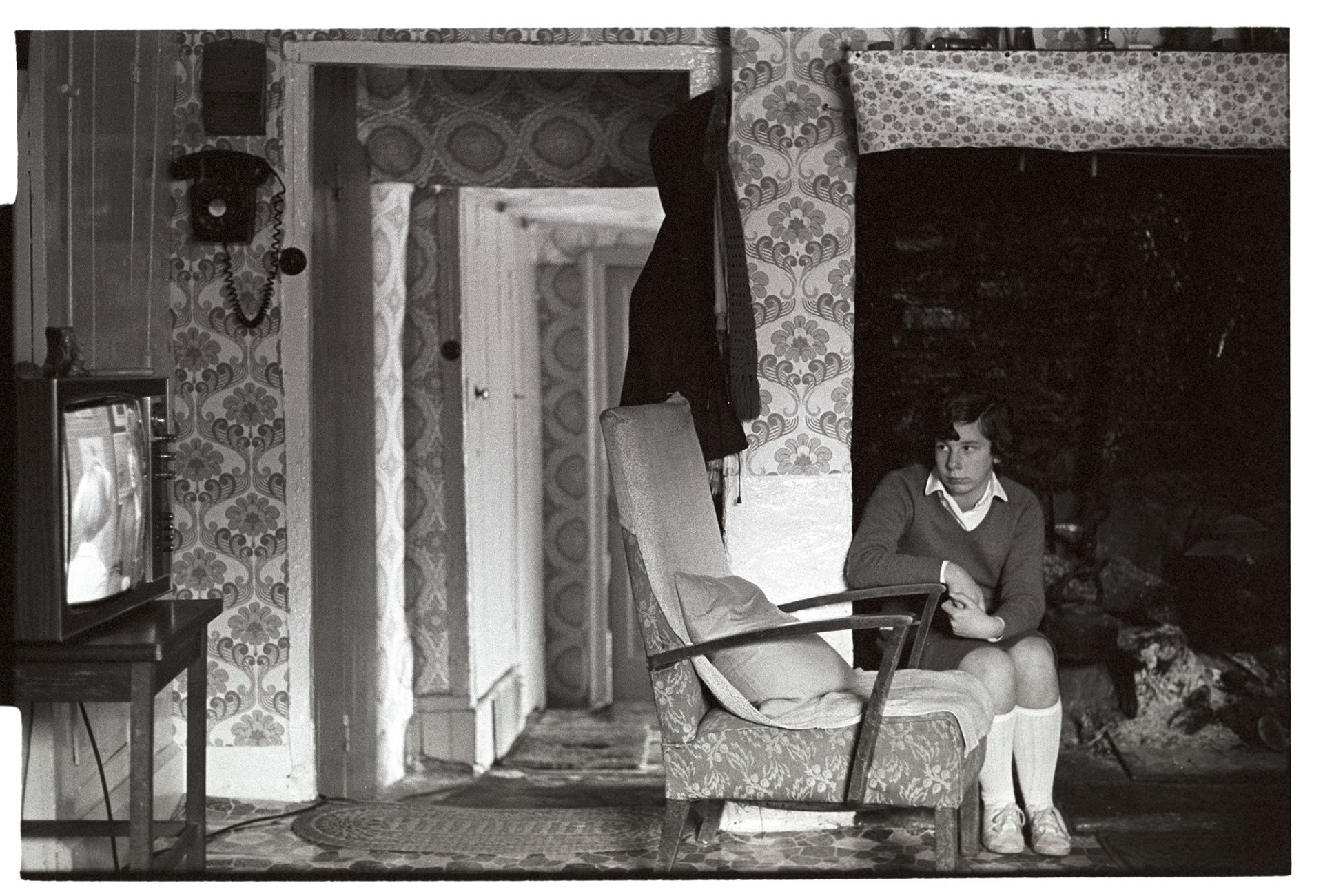
Girl watching television after school. Photograph by James Ravilious © Beaford Arts digitally scanned from a Beaford Archive negative.


PAGE 6

IMAGE: Frozen pizza from Tesco is then plated and served, steaming up into the sky. Kate and Kate’s Mum sit at the counter as they eat food. This is a large wide shot, but there are smaller panels denoting their micro movements. Her mum pours some yellow squash into a jug, holds a steaming kettle and pours that too, before finally pouring two drinks of the hot squash. Kate slowly reaches for the bag she threw earlier, opens the zip and brings out a paper.


KATE’S MUM (SFX): HOT HOT HOT, GLUG GLUG GLUG, TIP TIP TIP


KATE (SFX): ZIP ZIP ZIP, PICK PICK PICK, FLIP FLIP FLIP


IMAGE: Kate stares at the food inquisitively, her pizza slice being sans a bite.


KATE’S MUM: What’s the matter? Not good?


KATE: No it’s fine. Just confused as to this summer project thing.


KATE’S MUM: Summer project?


KATE: Mr Strand thinks it’ll be a good idea to keep us busy.


KATE’S MUM: Summer project?


KATE: We have to do it, mum.


IMAGE: Kate’s Mum looks over the paper.


KATE’S MUM: Hm.

If it’s about learning more about Devon, I’ve got a friend who goes to Lundy all the time.


KATE: That would be a great place to start. Always wanted to see a sea living seal.


IMAGE: Kate’s mum then stands in the foreground as Kate sits behind, similar to someone in the backseat of a car.


KATE’S MUM: We’ll go this Saturday.


KATE: Sure thing!


Documentary photograph by James Ravilious for the Beaford Archive © Beaford Arts.


PAGE 7

IMAGE: The same shot mirroring a car is used again as Kate heads to Lundy Island (in school uniform) with her mum’s friend (Fisherman). A song blares from the car speaker - it is ‘Grey Seal by Elton John’.


FISHERMAN: Ready for this trip?


KATE: Yeah!


FISHERMAN: I’ve never seen your mum use so many exclamation marks over text. This trip must be important.


Image: Kate looking guilty having ‘borrowed’ mums phone...


KATE: Well… it’s a unique academic opportunity!

She’s just excited!


FISHERMAN: Is she now. Well, alright then.


IMAGE: They are approaching a boat…


FISHERMAN: Let’s get her going.


KATE: Yes. Let’s.


Documentary photograph by James Ravilious for the Beaford Archive © Beaford Arts.


PAGE 8

IMAGE: A boat heading straight for Lundy.


FISHERMAN: Enjoying the sailing life?


KATE: Iitt’ss bbuuummpyy!


IMAGE: Kate silently stares out to Lundy.


FISHERMAN: Look out!

A whale!


KATE: EEKK!


IMAGE: Kate staring daggers at Fisherman.


KATE: You’re a real @&%!, man.


FISHERMAN: The mouth on you! You definitely are your mother’s kid.


Documentary photograph by James Ravilious for the Beaford Archive © Beaford Arts.


PAGE 9


KATE: Whoa.


IMAGE: Kate taking tons of pictures with a scrapbook layout. She also doodles a seal.


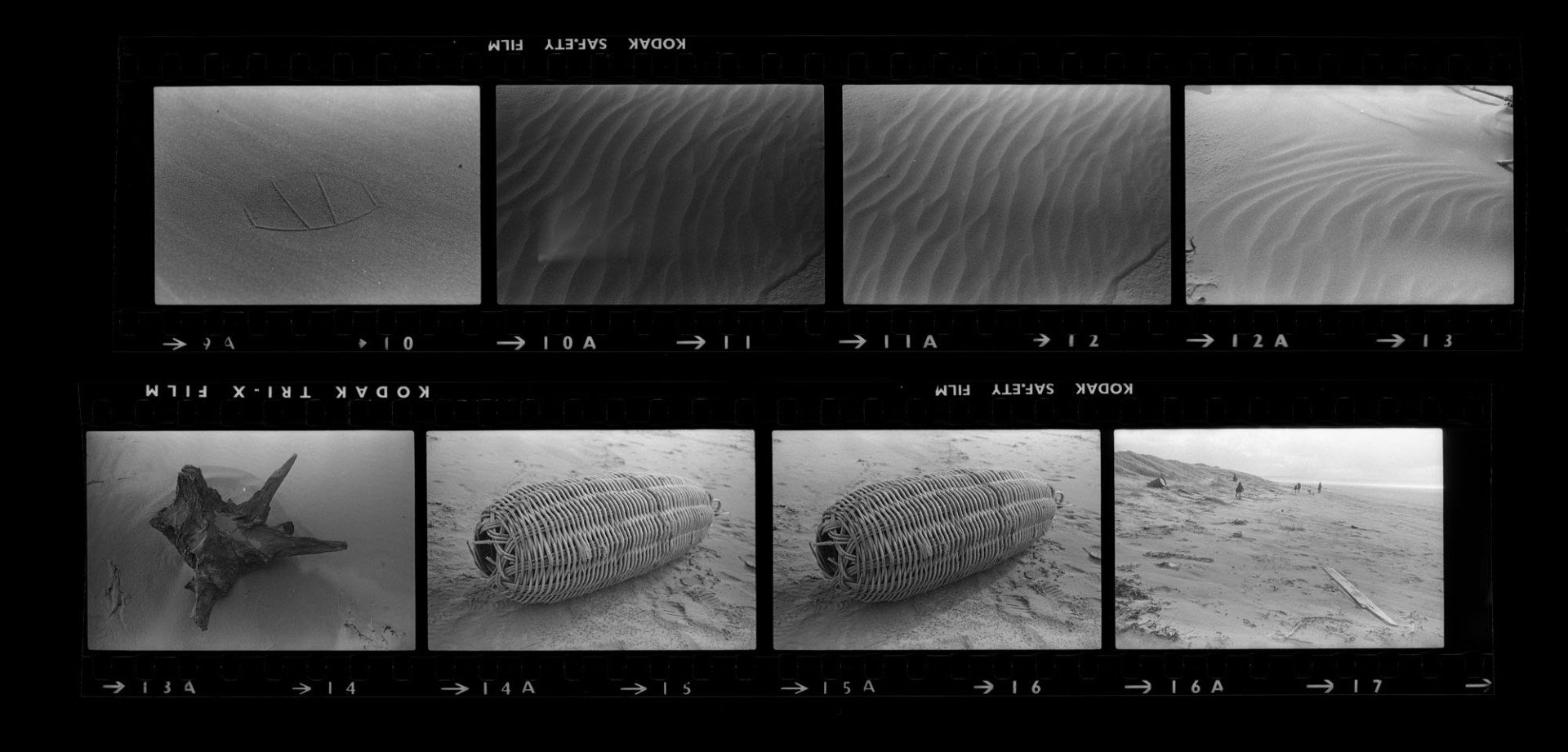
Contact sheet. James Ravilious. Beaford Archive © Beaford Arts


PAGE 10

IMAGE: Kate is walking home through town.


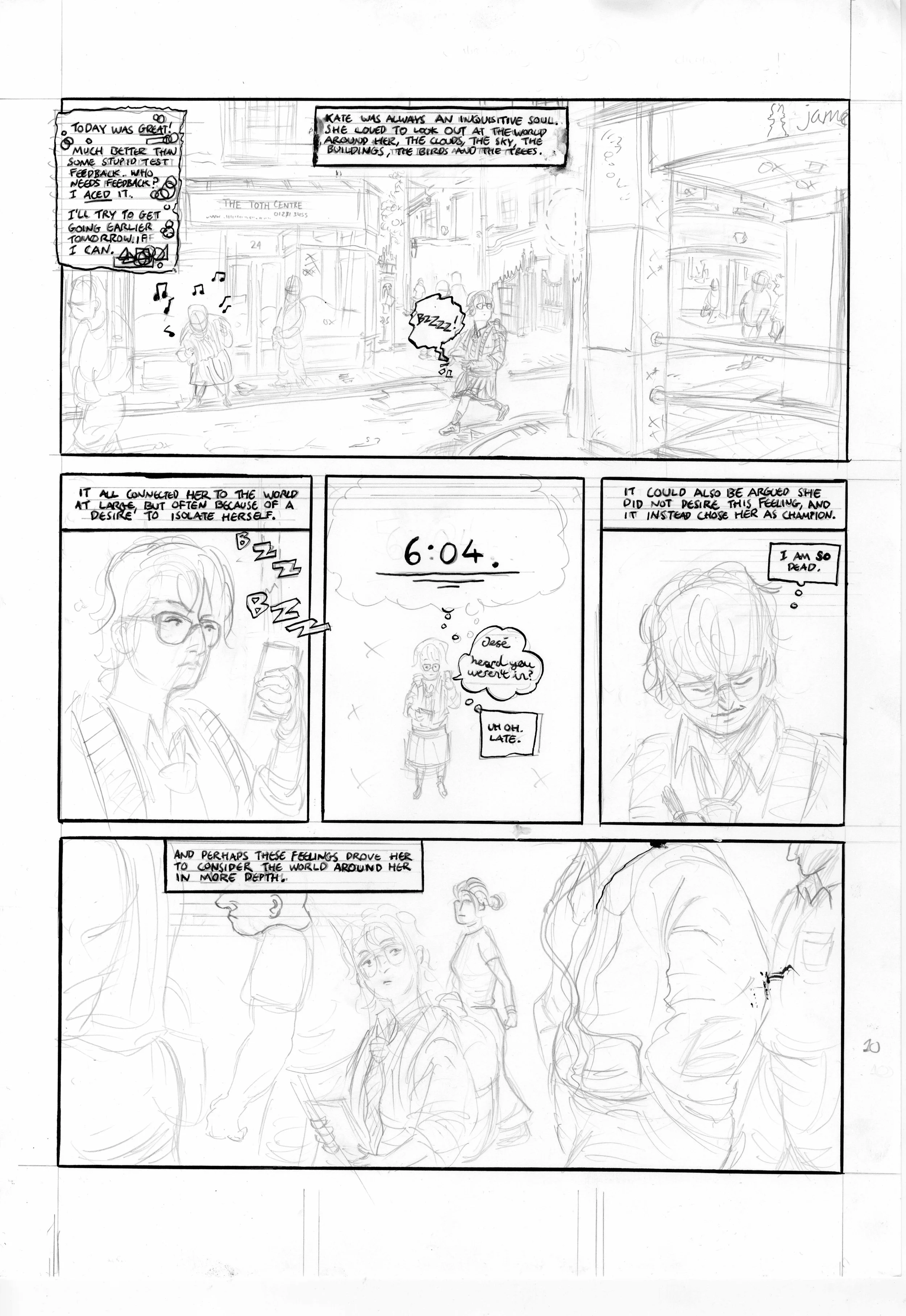
KATE (in thought): Today was great. Much better than some boring end of term test feedback. Who needs feedback? I aced it.

I’ll try to get going earlier tomorrow. If I can.


IMAGE: A text message reads ‘heard u weren’t in’ from ‘Jose’, time is 18:04.


KATE: Uh oh. Late.


CRAZY(to reader): Kate was always an inquisitive soul. She loved to look at the world around her, the clouds, the sky, the buildings, the birds, and the trees.

It all connected her to the world, but often because of a desire to isolate herself.


KATE: I am SO dead.


CRAZY(to reader): It could also be argued she did not desire this, and it instead chose her.

Perhaps these feelings drove her to consider the world around her in more depth.


Documentary photograph by James Ravilious for the Beaford Archive © Beaford Arts.


PAGE 11

CRAZY(to reader): Whether it was self imposed or natural, she still often felt that invisible wall collapsing down around her.

A wall around herself, keeping her far from the reality outside, allowing her more time to look outward without distraction,

and to avoid succumbing to the relentless world of words around her.

She instead focused on words of her own, parts of this whole, interrogating them relentlessly within, filtering down to her ideal world.

As someone who doesn’t really exist, all this “reality” stuff sounds cool to me.


Documentary photograph by James Ravilious for the Beaford Archive © Beaford Arts.


PAGE 12

IMAGE: Kate slowly opening the door, trying to sneak back into her house.


KATE: Hey mum sorry I’m late I was in town with Josephine because you know she has to get her Accessorise on anyways I kept telling her that leopard print is not her style but the stubborn gal would not listen so anyways that’s why I’m late I’ll make us both my world famous spaghetti to make up for it


CRAZY(to reader): Yes. This truly is the best excuse she could come up with.


KATE’S MUM: School called.


KATE: £%@!


IMAGE: Kate runs upstairs.


KATE’S MUM: AND I’m changing my phone password, Katie!


Documentary photograph by James Ravilious for the Beaford Archive © Beaford Arts.


PAGE 13

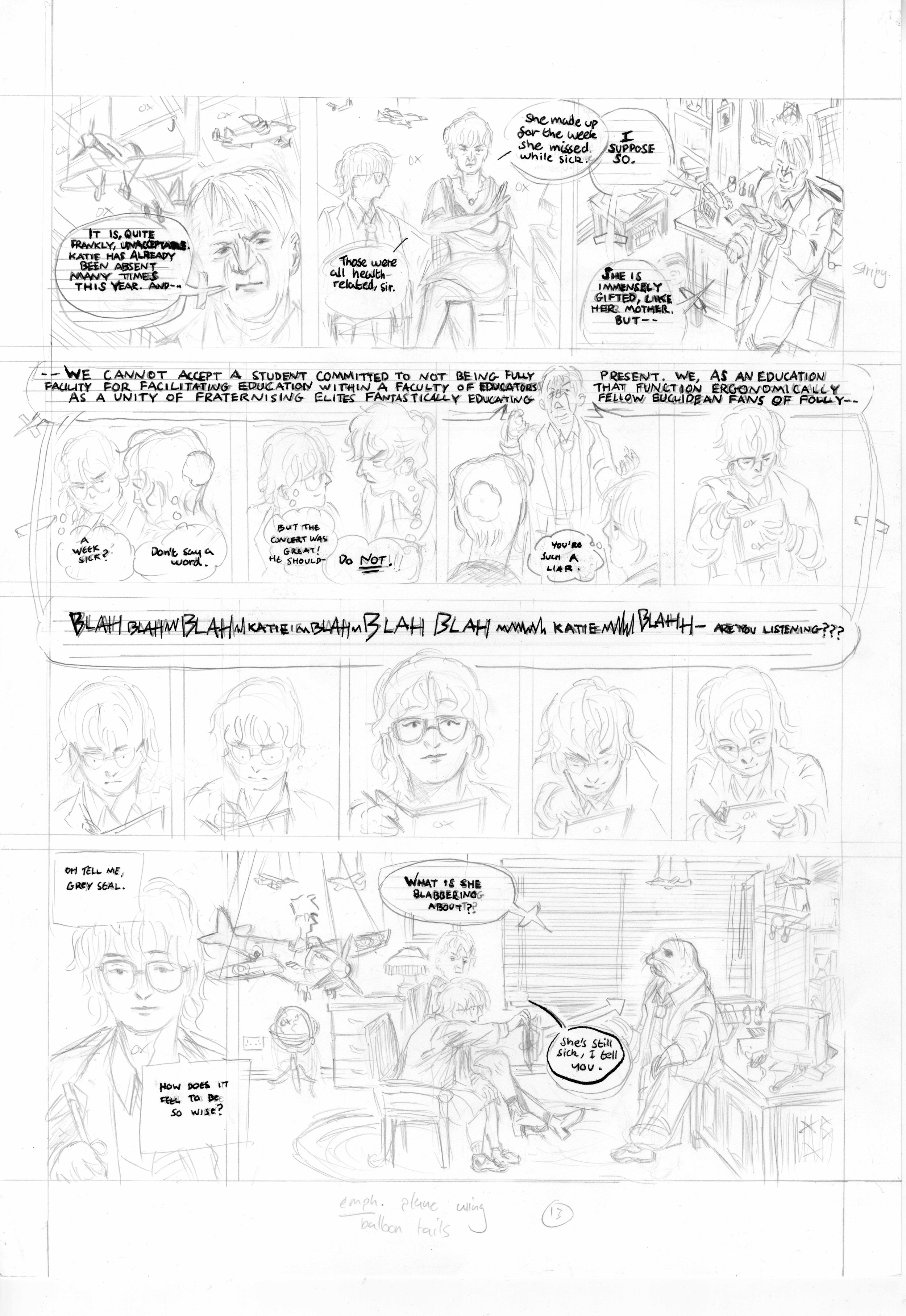
Image: Kate and Kate’s Mum are in Headmaster’s office.

HEADMASTER: It is, quite frankly, unacceptable. Katie has already been absent many times this year. And –


KATE’S MUM: Those were all health related, sir. She made up for the week she missed.


HEADMASTER: I suppose so. She is immensely gifted, like her mother. But –


IMAGE: Kate and Kate’s Mum share thought bubbles as they glance at each other.


KATE (in thought): A week sick?

KATE’S MUM (in thought): Don’t say a word.

KATE (in thought): But the concert was great!

KATE’S MUM (in thought): Do NOT.

KATE  (in thought): You’re such a liar.


HEADMASTER: - we cannot accept a student committed to not being present. We, as an education facility for facilitating education within a faculty of educators that function ergonomically as a unity of fraternising elites -

Katie… Katie… KATIE are you listening?!


IMAGE: Kate imagines the Headmaster as a Seal!


KATE: Oh tell me, Grey Seal. How does it feel to be so wise?


HEADMASTER: What is she blabbering about?


KATE’S MUM: She’s still sick, I tell you.


Documentary photograph by James Ravilious for the Beaford Archive © Beaford Arts.


PAGE 14

IMAGE: Kate and Kate’s Mum shopping afterschool.


KATE: Well that was awful. Sorry @£?!face, I forgot Year 9 was so important.

It felt so good yesterday, being at Lundy. The waves crashing, the world smiling, and I felt so… true.

Like I haven’t since I was like 6. It made me think of being held by grandad’s wrinkled hands.

It feels so long ago now.


KATE’S MUM: I just don’t understand WHY you’d be skiving. Is this project really that important?


KATE: Jose is on holiday. What’s so important about going in?


KATE’S MUM: This is a lot bigger than Josephine. You have to rein that spirit in a little.


KATE: Don’t you trust me?


KATE’S MUM: Katie, it’s more complicated than that.

If you really do want to learn about North Devon at large, you could try something less bold. Like…


KATE: Like an interview with grandad!


KATE’S MUM: …


KATE: You paused!


KATE’S MUM: I didn’t realise my speaking was under surveillance.


KATE: Come on, mum!


KATE’S MUM: Look… fine, it’s fine. We’ll see him. But this weekend - only. No more skipping.


KATE: Fine, fine!


IMAGE: A leaflet falls from the leaflet shelf.


Documentary photograph by James Ravilious for the Beaford Archive © Beaford Arts.


PAGE 15

CRAZY(to reader): A litter pick at Braunton Burrows.


IMAGE: Kate places the leaflet for a litter pick in her notepad.


CRAZY(to reader): It seemed appropriate, if not somehow convenient to find.

Kate spent the next few nights writing excitedly about all she observed.

Insects, road signs hidden by overgrowth, the birds, closed shops, the trees.


IMAGE: Kate is at her desk in her bedroom.


KATE: It’s nearly time to see him again. I feel a bit weird. Jose said I’m overreacting. I probably ammm (trailing off, shaky).

YAWN

Bed-time.

I can’t tell what’s going to happen, or how it will happen.

All I can be is a granddaughter excited to see her grandad.

And ready for what I will learn.

ZZZZZZZ


Documentary photograph by James Ravilious for the Beaford Archive © Beaford Arts.


PAGE 16

IMAGE: Kate, Kate’s Mother, and Grandfather in a family portrait. They’ve gone fishing and Kate is holding the fish.


KATE: The Sawyers! Us.

I always loved the way grandad let me hold the fish. A big responsibility.

I dropped it like immediately after.

Whoops.


Documentary photograph by James Ravilious for the Beaford Archive © Beaford Arts.


PAGE 17

IMAGE: Kate is dropped off by her mum in Bideford, to a lonely house near the top of a hill. Bideford is written in large elaborate letters.


KATE’S MUM: I’ll see you later, Katie.


KATE: Where are you going again?


KATE’S MUM: No disrespect, dear, but away from children for a day, thank god.


KATE: I agree. Children are icky.


KATE’S MUM: You are a literal baby.


IMAGE: Kate’s Mum speeds off.


KATE: Drive safe!


IMAGE: Kate walks up the steps to her grandfather’s house.


CRAZY (to reader): It had been many years since Kate had walked these steps.

The visit made the place real, replacing that faded memory.

IMAGE: A tree outside Grandfather’s house turns into a family tree diagram, with Crazy pointing things out with a ruler.


CRAZY (to reader): There were originally many generations of Kate, even before the Normans came.

It became then grandparents, of whom one remains. Then her dazzling mother appeared, and we finally arrive –


IMAGE: Zoom in on the family tree to Kate.


CRAZY (to reader): - at none other than Kate herself.


Documentary photograph by James Ravilious for the Beaford Archive © Beaford Arts.


PAGE 18

IMAGE: Transition into Kate’s Grandfather pointing at a similar diagram he has now drawn on paper as we (and Kate) gaze.


GRANDFATHER : Your great-grandfather was an old fart, and mum was a sweetheart. Along the way they had me and we had your mother and now here you are, Katie.


KATE (in thought): It’s Kate, grandad. (then aloud) Wonderful.


GRANDFATHER: Here’s your grandmother. She’d be better to interview.


IMAGE: Grandfather show’s Kate a photograph of Grandmother/


KATE: She’s so pretty!


GRANDFATHER: She was. I wish you’d have met her. She, hehe, KOFF, hahaha –


KATE: What is it?


GRANDFATHER: Sorry, it’s just… she used to say something -

- about the last witches that were hanged in Bideford.


KATE: My history teacher said they were the last hung in England.


GRANDFATHER: Yes, the last hanged, Katie. And she used to say:

‘Well George, they did a rather bad job - I’m still here!

Ha!


Portrait of the Crocker and Oak Family. Photograph by James Ravilious © Beaford Arts digitally scanned from a Beaford Archive negative.


PAGE 19

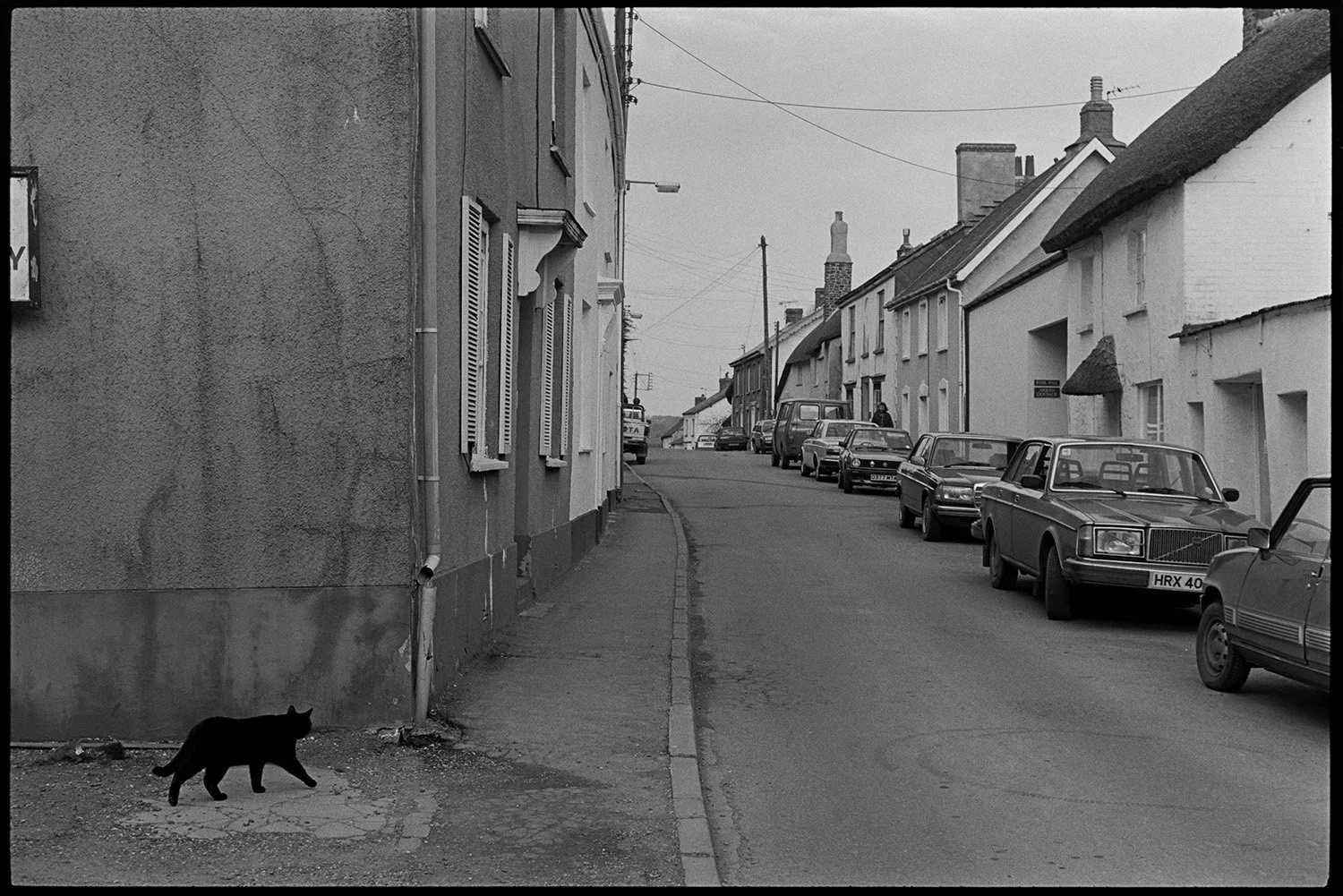
KATE: Didn’t she have a black cat too?


GRANDFATHER: We did! Tailless and amazing. Oh, your grandmother was so much like you, Katie.

Maybe you’re both witches.


KATE: Right?


GRANDFATHER: Didn’t mean anything by that. Tell me about your project.


KATE: I’m trying to find out about my surroundings.

So I want to know how North Devon use to be.


GRANDFATHER: So you found the oldest guy you know, your dear old grandad.


KATE: Yup. So, what do you think of North Devon?


GRANDFATHER: Well, I’ll tell you what I can remember. Not a whole lot, I will admit.


Documentary photograph by James Ravilious for the Beaford Archive © Beaford Arts.


PAGE 20

IMAGE: Bideford rendered in a black and white, classical ink drawing style. Brush heavy with many dark areas. Main colour tone is sepia.


GRANDFATHER: Bideford - what a town indeed! In the 60s, it was like the Old West.


KATE: With cowboys?! And guns?


GRANDFATHER: More like the horses.


KATE: Boring.


GRANDFATHER: A charming farming town.

Your grandad was one of the last local dairy farmers of his  old kind.

I’d lug around with huge carts to go and take milk to the Pannier Market,

sell them, walk all the way back, my tiny body broken.

And that was life.


Image from the Beaford Old Archive


PAGE 21

KATE: But you wanted to be a writer, not a cowboy.


GRANDFATHER: Later, Katie - that was the late 70s. I was a poet, in love with nature.


KATE: Whaddya love about it?


GRANDFATHER: Beauty.

The time to be alone with your thoughts. I loved that old Romantic poetry. Odes to God’s land, and why we should love it.

Though about the land grandmother knew more than I.


KATE: How did you meet?


GRANDFATHER: Well, whenever I was mad with the World, I would go on the bus to random villages.

I’d look around, write a poem, and leave. No speaking, just writing.

A vagabond of Taw and Torridge, looking about the two rivers,

writing poetry about anything and everything.


KATE: That’s a real wonky idea, grandad.


GRANDFATHER: My dad told me about it. He preferred the railway, but most of ours were gone by my time. He cursed Ernest Marples till he died.

KATE: Who’s that?


GRANDFATHER: A silly man who hated trains.


Documentary photograph by James Ravilious for the Beaford Archive © Beaford Arts.


PAGE 22

GRANDFATHER: Eventually I found a place to write.

The world was rich, full. I looked around for anything with to inspire me.

The best writing happens to the people who can tell them. The question, I think, is whether those people are there.

She was there.


IMAGE: Grandfather sat at at bench, Grandmother approaches and joins him.


GRANDMOTHER: Y’alright?


GRANDFATHER: Alright?


GRANDMOTHER: Not from here, are ya?


GRANDFATHER: No, just wandering about.


GRANDMOTHER: What’re ya hiding there? Are ya writing?


GRANDFATHER: Poems.


GRANDMOTHER: Dazzle me then, stranger.


GRANDFATHER: I can try. I’m George. And, miss…?


GRANDMOTHER: I’m Katherine, dear.


IMAGE: Grandmother. When we see her fully, a primrose is seen at full bloom, along with her. Magenta colour tone is introduced rather than just sepia.


KATE: Wait, so I’m…?


GRANDFATHER: Named after her.


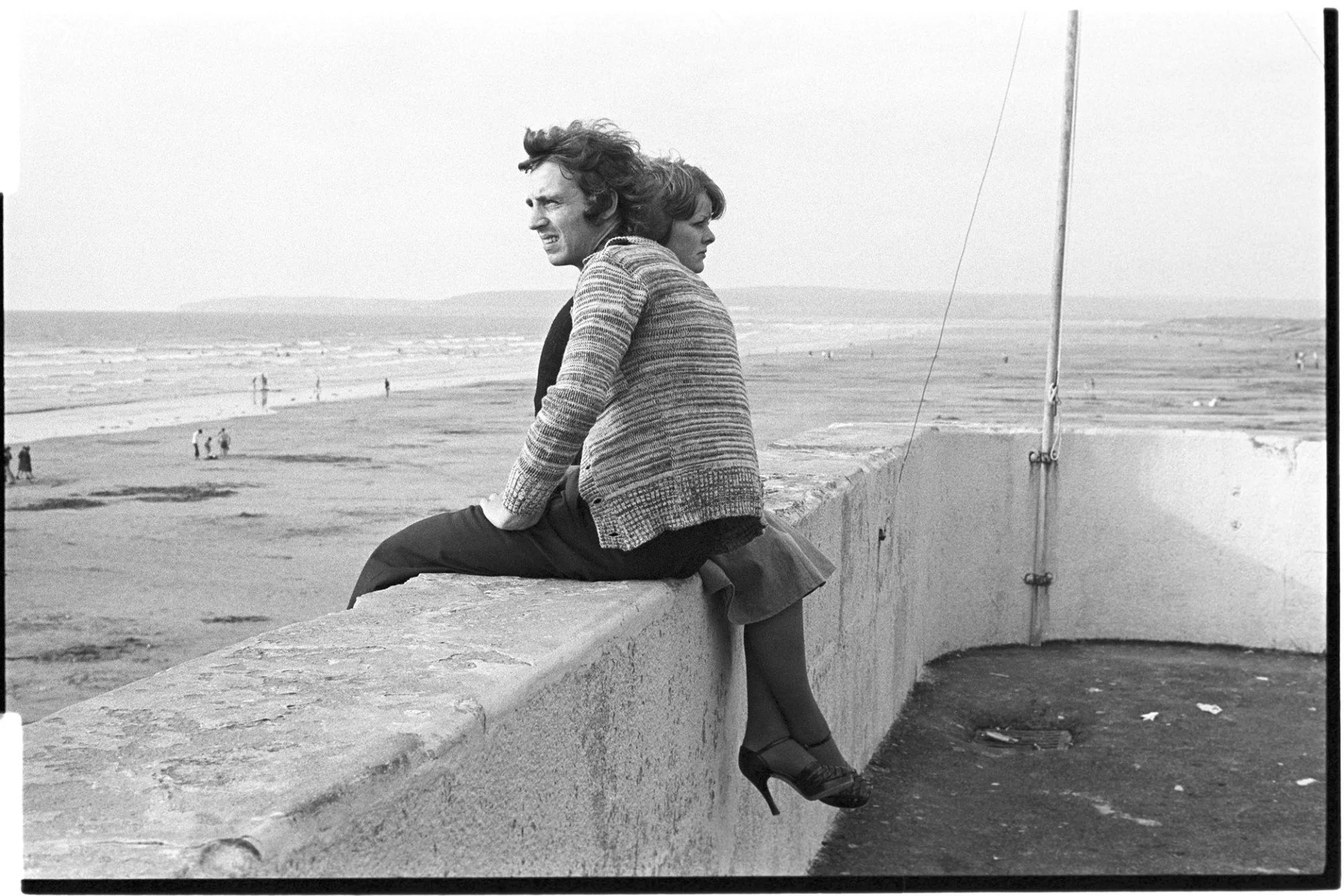
Couple sitting on a sea wall. Photograph by James Ravilious © Beaford Arts digitally scanned from a Beaford Archive negative.


PAGE 23

GRANDFATHER: ‘So the red dawn will come

And wash it all away

Renouncing what once was

To a new perfect day.’


KATE: That’s great… (then in thought) what’s it mean…?


GRANDFATHER: Y’know, I expected her to say it was nonsense.


GRANDMOTHER: It’s okay.


GRANDFATHER: That stings, Miss Katherine.


GRANDMOTHER: Oh, does it? Well, why don’t we find out if there’s not somewhere else you can write about?


IMAGE: Grandmother takes Grandfather’s hand and leads him away from the bench.


GRANDFATHER: I’d probably have had better luck writing a poem about how her hands felt.

I told her what I was doing. Wandering. She seemed receptive to both the idea, and to me.

What I did do to deserve it, I don’t know.

It was a chance encounter; one I continue to think about.


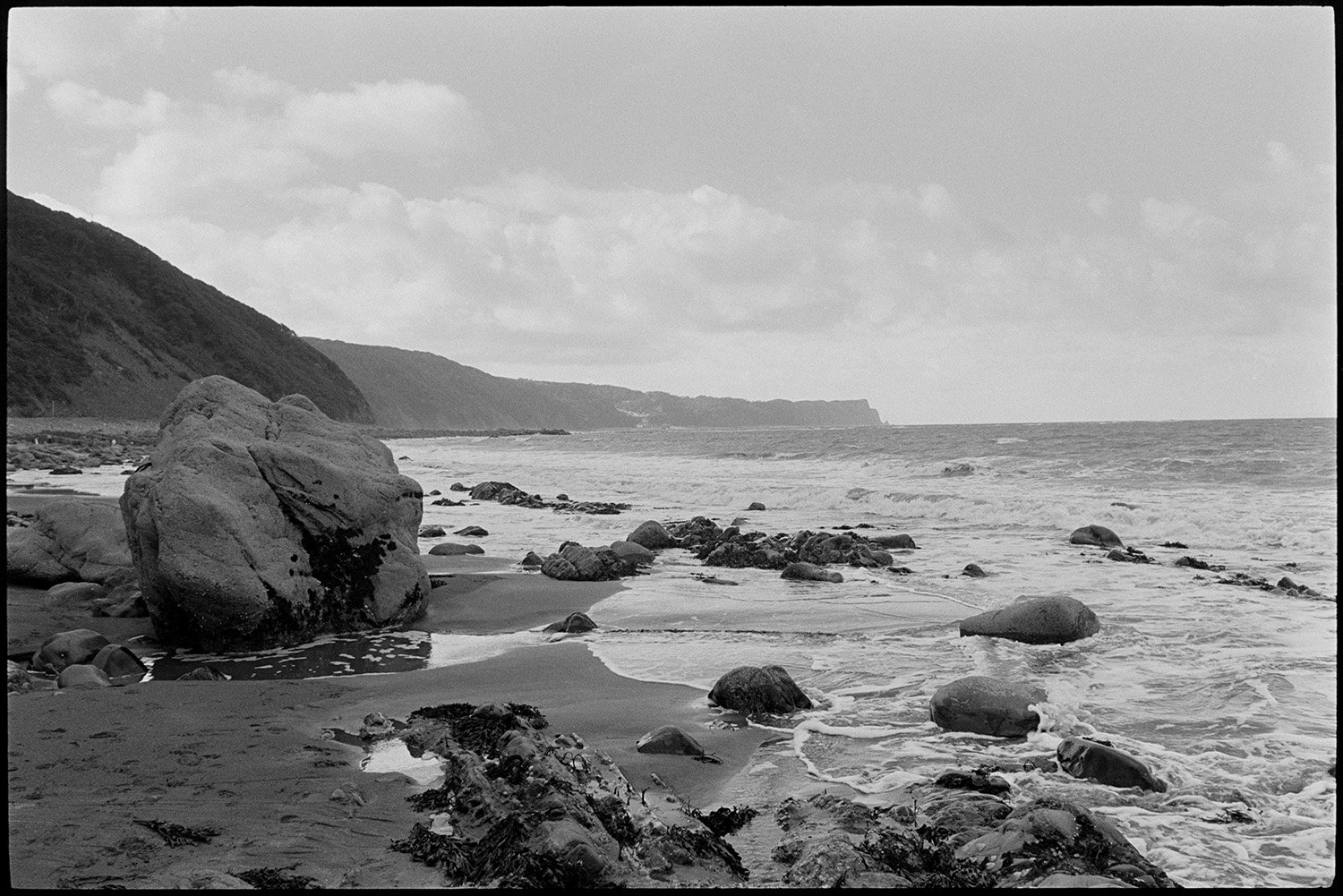
Costal Viewpoint. Photograph by James Ravilious © Beaford Arts digitally scanned from a Beaford Archive negative.


PAGE 24

GRANDFATHER: We walked for months.

She told me things I had never heard. About the places, and the people.

She was like every person in Devon put together, a collection of the culture.

She once bought me a box. This box.


KATE: A box?


Image: Grandfather holding the box, present


GRANDFATHER: A box?


GRANDMOTHER: Yes, you oaf.


IMAGE: Grandmother holding the box, past


GRANDMOTHER: Just don’t open it until I’m gone, yeah?


GRANDFATHER: Of course.


IMAGE: Wordless panels of them  walking around, along the beach, holding hands, stopping at a coastal cave, and kissing.


GRANDFATHER: I asked her to marry me.

And she decided we already were.


Documentary photograph by James Ravilious for the Beaford Archive © Beaford Arts.


PAGE 25

GRANDFATHER: We didn’t stay here after that.

Katherine was more interested in discovering the World than being here. So we left.
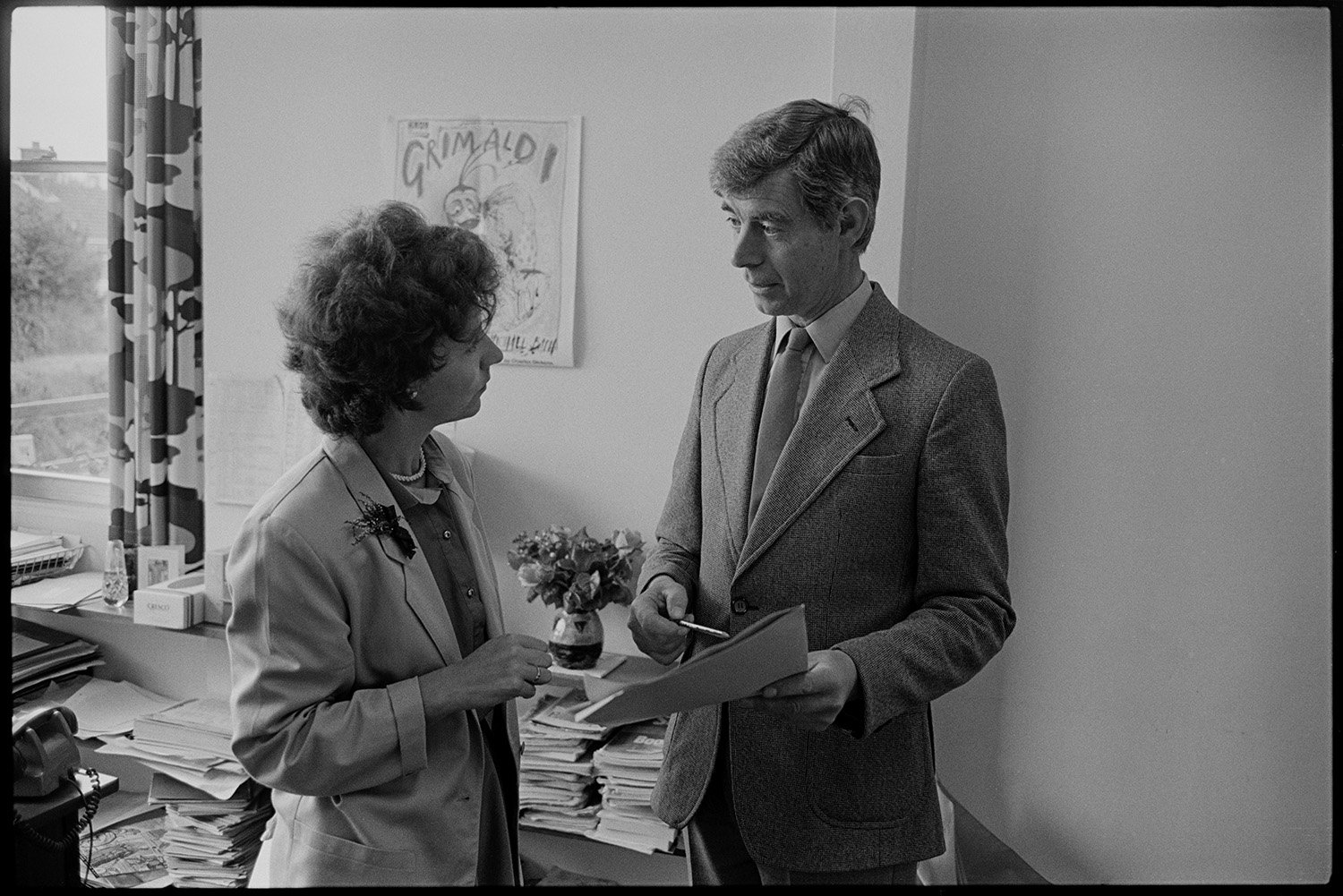
Your mother was born while we were in Italy. Doesn’t make her Italian. Don’t believe her.


KATE: I won’t.


GRANDFATHER: She never aged, Katherine. I turned into a withered mess but she was immortal beauty the whole time.

When we came back, your mother was 7.

I published my poetry collection, “Globe Trotter”. Please, don’t write about it in your project.

Then I became a full-time teacher.

And Katherine became a painter. A very good one at that.


KATE: How was mum?


GRANDFATHER: Oh, your mum hated it here! She wanted to go back to Europe, the cities, and the –


Documentary photograph by James Ravilious for the Beaford Archive © Beaford Arts.


PAGE 26

KATE: Hang on. Are we talking about the same woman?


GRANDFATHER: Yes.


KATE: The same woman that says Barnstaple High Street has everything anyone could need.


GRANDFATHER: And the same woman who had her 5th birthday in Athens.


KATE: Insane. Did she ever go back?


GRANDFATHER: She went to Italy for university. Studied literature.


KATE: I never knew that. But why?


GRANDFATHER: She said she wanted to go about the world to impress people. But her friends were like me - They hadn’t even left their towns!


KATE: Like bragging about a movie to a blind man.


GRANDFATHER: Exactly. Your grandmother would say: ‘In the land of the blind, the one eyed man is king.’


KATE: Whoaaaa… that is cool.

GRANDFATHER: She was.


Documentary photograph by Roger Deakins for the Beaford Archive © Beaford Arts.


PAGE 27

GRANDFATHER: Years later, the World lost her.


Image: A box. A coffin.


GRANDFATHER: Your mother came back from uni for the funeral. She had all these tattoos and piercings, rings and Europeans clothes, and funny coloured hair.


Image: Kate’s Mother‚ back in the day. She’s smoking here.
 

GRANDFATHER: She looked like a punk rock band member!


KATE (in thought): All due respect, grandad, but that is pure bollocks.


GRANDFATHER: I worked up the courage for years to open the box.

It was empty. Teasing me from beyond the grave. Like no other, that woman. (Cough)


KATE: She sounds so cool.


Grandfather: So similar to you. Even that shirt - magenta. It was her favourite colour.


KATE: Mine too!


GRANDFATHER: She told me why once.

She said it was not a real colour. A ‘non-spectral’ one, I think. Our brains create it from contrasting information, so it may never be the same for anyone.


KATE: Whoa. (then in thought) Is my magenta the same as Her’s?


Documentary photograph by James Ravilious for the Beaford Archive © Beaford Arts.


PAGE 28

GRANDFATHER: When she was gone, I felt that this place either changed or I just opened my eyes to truth.


IMAGE: Crazy holds a sign that says:

‘Renouncing what once was

To a new perfect day.’


GRANDFATHER: I go around in this empty house with my empty thoughts.

Outside I see the cracks, spreading from everywhere around the country.

The hideous screech and stench of cars.

From villages to a mini-city, urbanising beyond belief.

Our home became a palimpsest of life, structured beyond structure. I have written upon it, and thought about the traces from before.


KATE (in thought): The hell is a palimpsest?


GRANDFATHER: Did the Romantics I loved see the world the same way?


Documentary photograph by James Ravilious for the Beaford Archive © Beaford Arts.


PAGE 29

GRANDFATHER: It’s like her magenta. Unique to each.

But now the writings we had made have been wiped away. The rhythm obscured, the poem off-centre;

Her whispered words were lost to the wind.

I wonder: what was real. What God intended.

And then I think about my father. What would he think? I’m older now than he ever was. I…

Katie, you asked me what I think. I can still see it in my mind.

But I don’t know if I can say much about it today. Things were different then.


Documentary photograph by James Ravilious for the Beaford Archive © Beaford Arts.


PAGE 30

IMAGE: Kate stares.


KATE: I don’t know if I understand that all, but… maybe this would be nice for you?


IMAGE: Kate holds out the litter picking invitation


KATE: We can try to save your home.


GRANDFATHER: Thank you Katie. Sorry, I can be so glum sometimes. Katherine balanced me out - just too old, now.


KATE: Mum says you’re a hermit. This why?


GRANDFATHER: Maybe. But I’d gladly leave the house to see you. You really are just like her.

A trace of her, of that old Devon, not wiped away.


KATE: Mum also says you’re a big softy.


GRANDFATHER: Hm! I suppose she -


(SFX)CLANK!


IMAGE: Kate’s Mother then appears, yanking Kate away. She has clearly been in the rain, shivering.


KATE’S MOTHER: Thanks for keeping an eye on her.


IMAGE: Grandfather just nods and smiles.


Documentary photograph by James Ravilious for the Beaford Archive © Beaford Arts.


PAGE 31

IMAGE: Kate doodles her Grandfather and writes -

‘Josephine told me he looks a bit scary but he’s always been my grandad. Do other people think he’s scary? They should open their eyes, he’s a teddy bear.‘

- PART 1 ENDS -


Arthur Ford. Photograph by James Ravilious © Beaford Arts digitally scanned from a Beaford Archive negative.

© 2026 Aaban Aslam, created with support from Beaford Arts for the Devonshire Association. All rights reserved.


With special thanks to…

Short story graphic novel coming soon…


Synopsis

Meet KATE SAWYER. She is 15 years old and has lived in North Devon her entire life. And now, over the course of her summer project, she is finally going to find out what that means.

From the world around her today, the trees and people, to the land and times before her, as narrated by her grandfather, ‘TRACING THE RIVERS' is a story about grieving the loss of things you've never had. Of people you've never met, yet know. From authors to doctors, artists to farmers, Kate must examine this world she lives in that was once different, to discover and think on how different it is, a world that exists in the minds of those who were there.
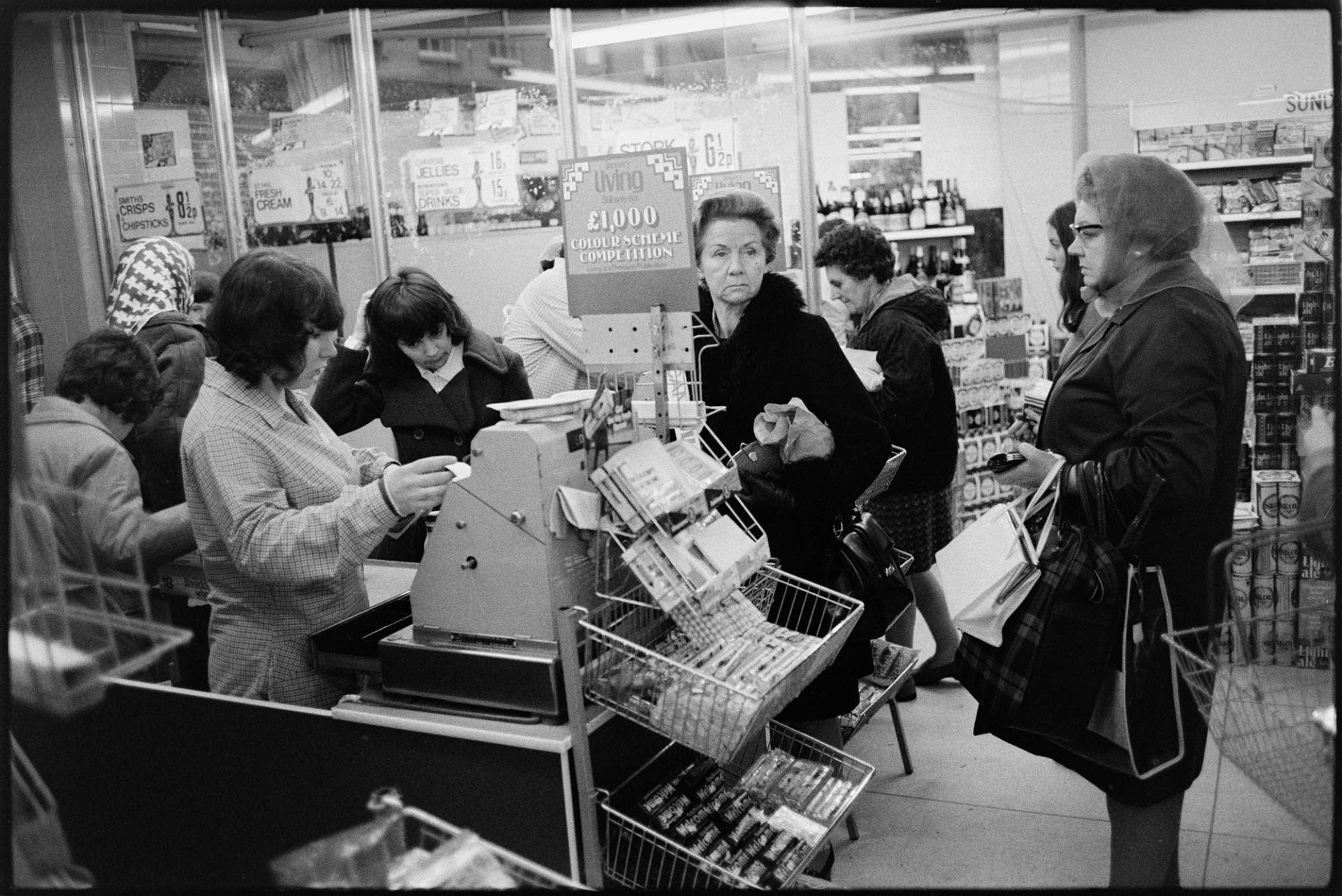
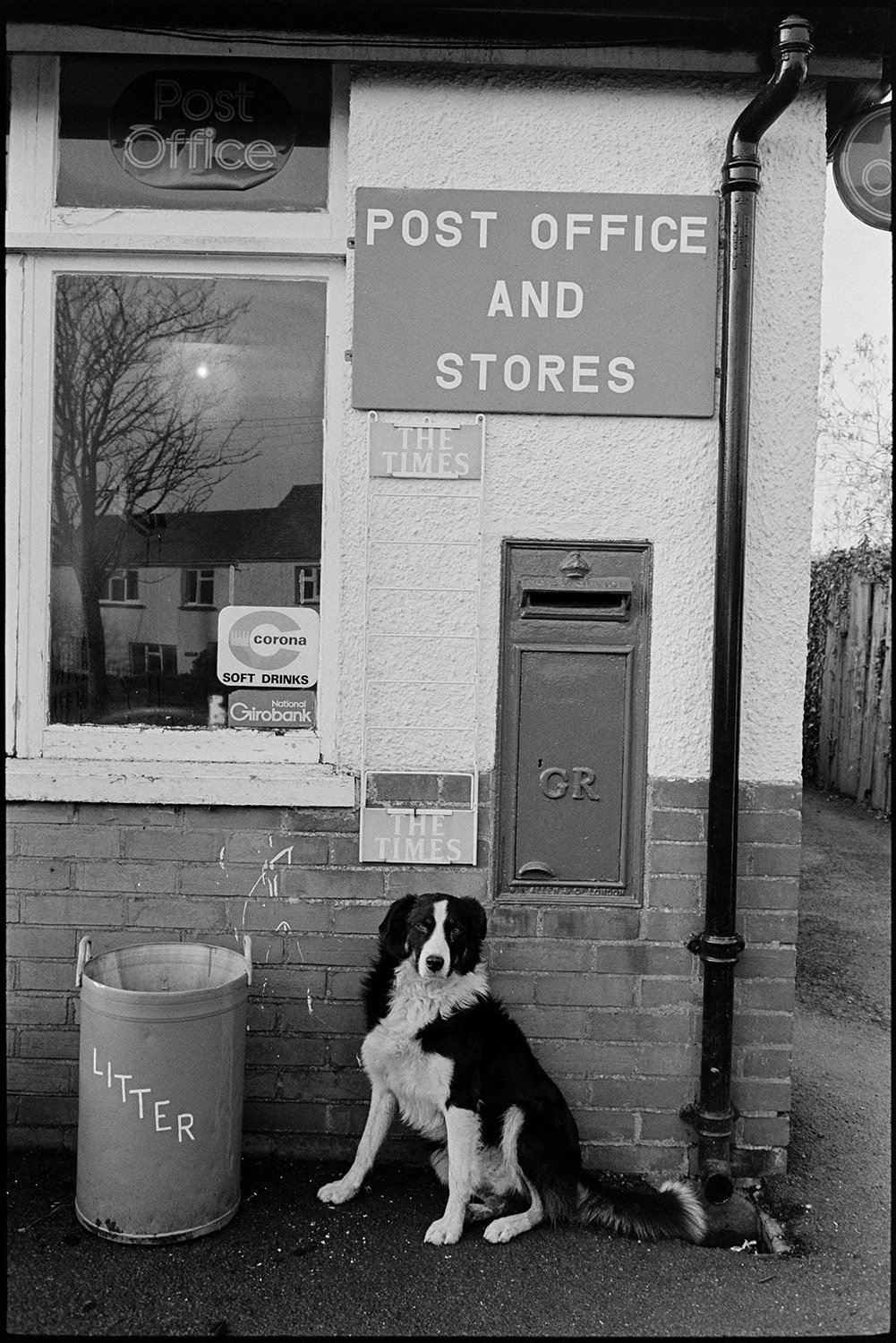
A work of memory and remembrance, the living and the lost, perception and truth, heritage and inheritance. TRACING THE RIVERS is a book about North Devon, a place whose streets are filled with ghosts.
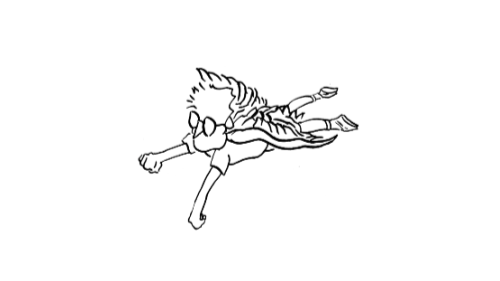
 

Intended colour palette

Kate: Green - later magenta highlighting of various hues. Standard look of the publication.

Kate’s mother: always wearing yellow, along with her dyed blonde hair.

Kate’s grandfather: Sepia.

Katherine: Magenta.

Josephine: Wears purple.

Fisherman: Wears a navy blue coat.

Crazy: Never coloured.

Headmaster: Grey.


Preliminary Work-in-Progress Galleries

Concept drawings…

Draft designs…

Completed page design examples before colourisation…